
Het zegenend Christuskind — History & Facts
Where does light end, and longing begin? In the tender composition of Het zegenend Christuskind, a sense of both reverence and betrayal lingers in the air, revealing the complexities of faith and human emotion. Focus on the luminous figure of the Christ Child at the center, His small hands outstretched in a gesture of blessing. The warm glow surrounding Him contrasts sharply with the cooler, darker hues enveloping the figures around Him. Notice how the intricate detailing in their garments draws the eye, each fold and texture meticulously rendered, adding depth to the scene.
The golden background, infused with light, creates an ethereal quality that elevates the moment, yet also suggests an unattainable distance between the holy and the earthly. Delve deeper into the expressions of the surrounding figures; their faces are a mixture of devotion and quiet despair, hinting at the burdens of expectation and the fear of betrayal in their devotion to the divine. The juxtaposition of the Child's innocent joy and the somber countenance of the adults reveals a poignant tension between hope and disillusionment. This duality evokes a powerful reflection on the fragility of faith in the face of human frailty. Painted between 1488 and 1492, this work emerged during a time of profound change in the art world, as Northern Renaissance artists like the Master of the Amsterdam Cabinet began to infuse their religious subjects with personal and emotional layers.
It was an era marked by a growing interest in humanity's complexities, as well as the tensions surrounding the church's authority in a shifting social landscape. Through this artwork, the artist invites us to confront the intimate struggles of belief and betrayal that resonate throughout history.
More Artworks by Meester van het Amsterdamse Kabinet
Browse all →
De Heilige Familie bij de rozenstruik
Meester van het Amsterdamse Kabinet

Hertenjacht
Meester van het Amsterdamse Kabinet
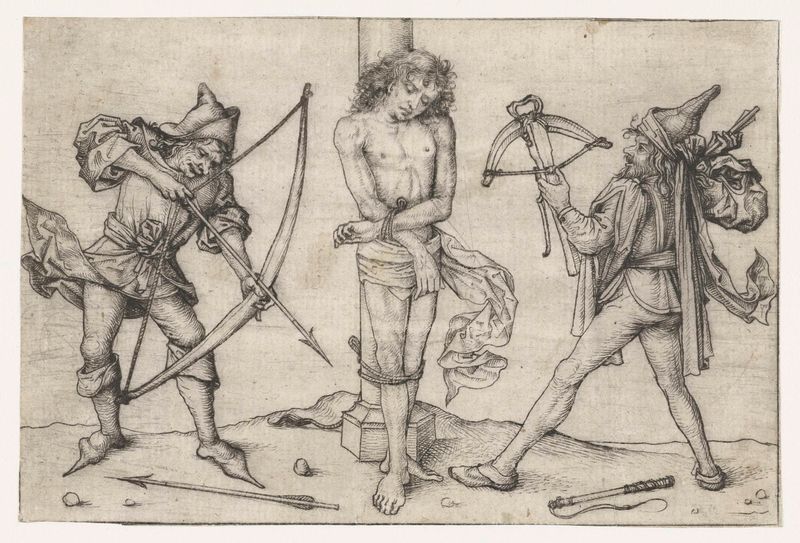
Heilige Sebastiaan met boogschutters
Meester van het Amsterdamse Kabinet

Het lichaam van Christus ondersteund door twee engelen
Meester van het Amsterdamse Kabinet

Heilige Anna-te-Drieën
Meester van het Amsterdamse Kabinet

Heilige Barbara (grote versie)
Meester van het Amsterdamse Kabinet
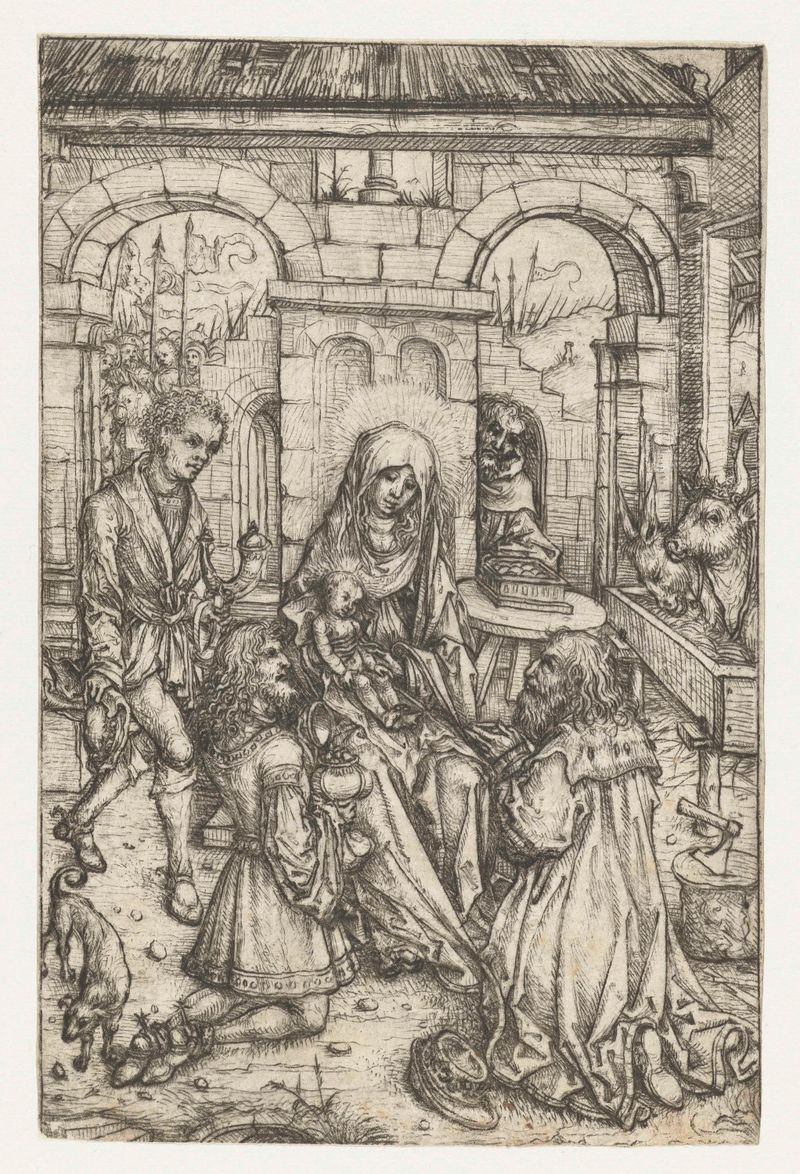
Aanbidding der koningen
Meester van het Amsterdamse Kabinet
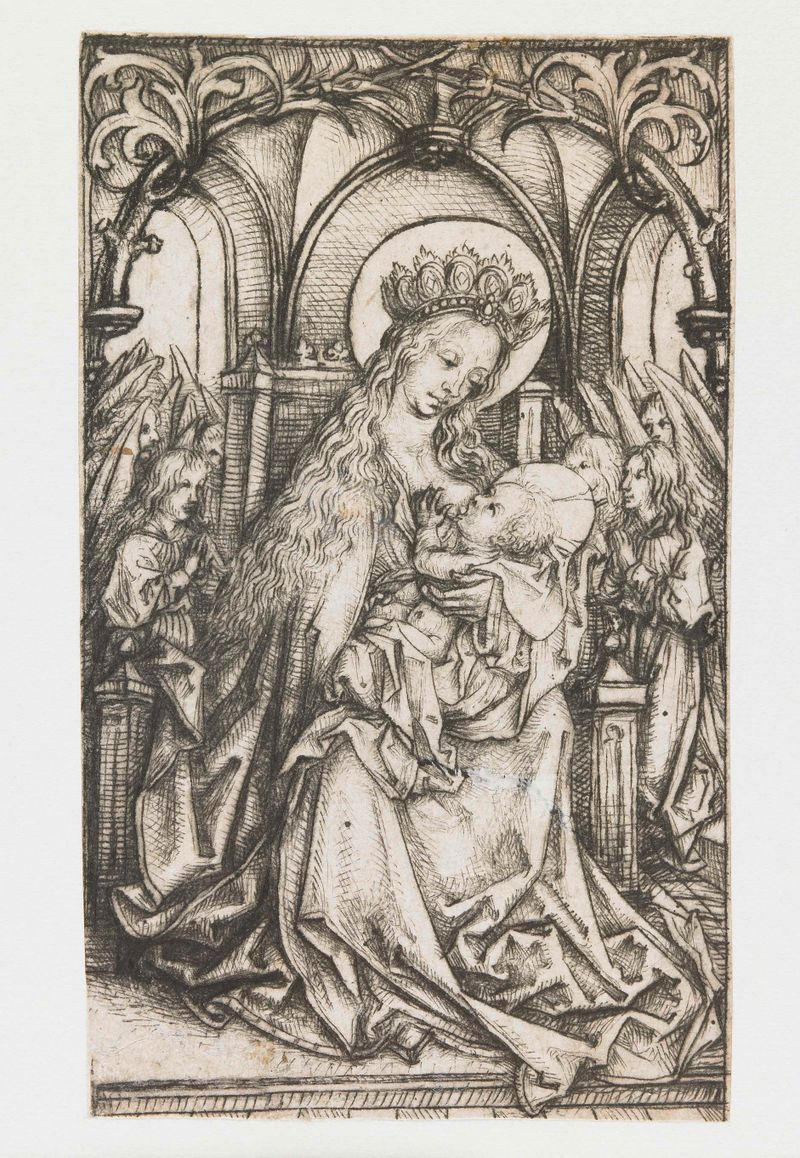
Tronende Madonna door engelen aanbeden
Meester van het Amsterdamse Kabinet
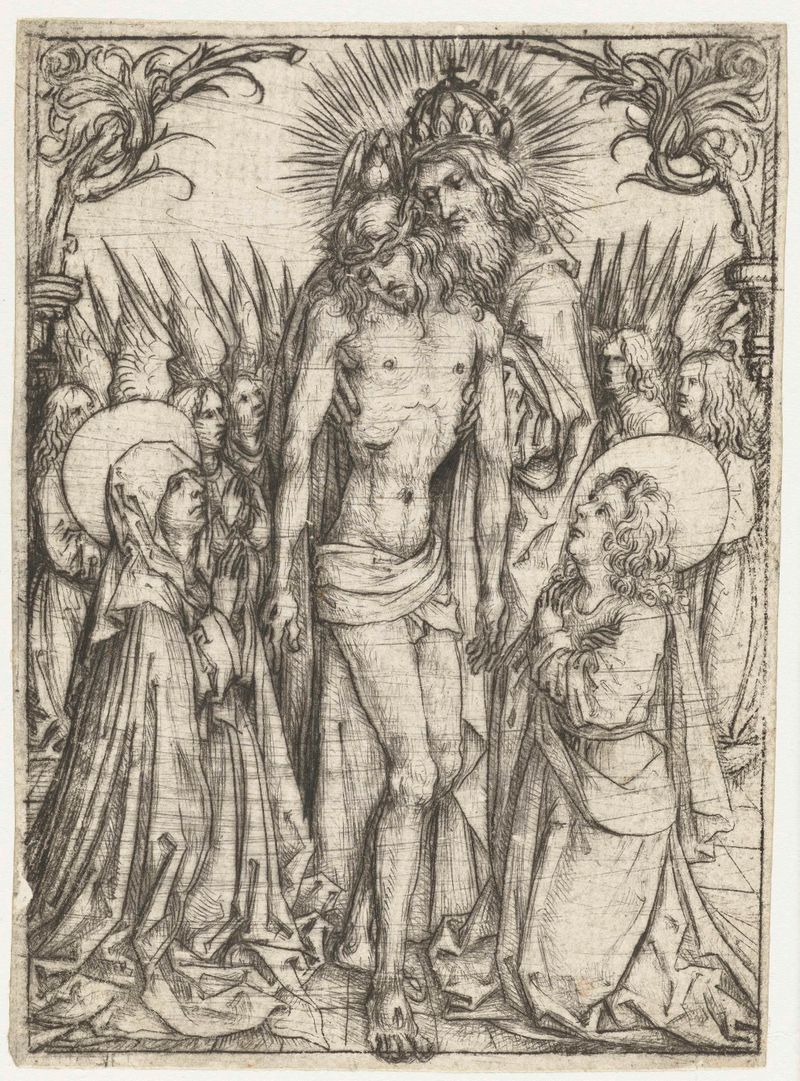
Aanbidding van de Heilige Drieëenheid door Maria, Johannes de Evangelist en engelen
Meester van het Amsterdamse Kabinet
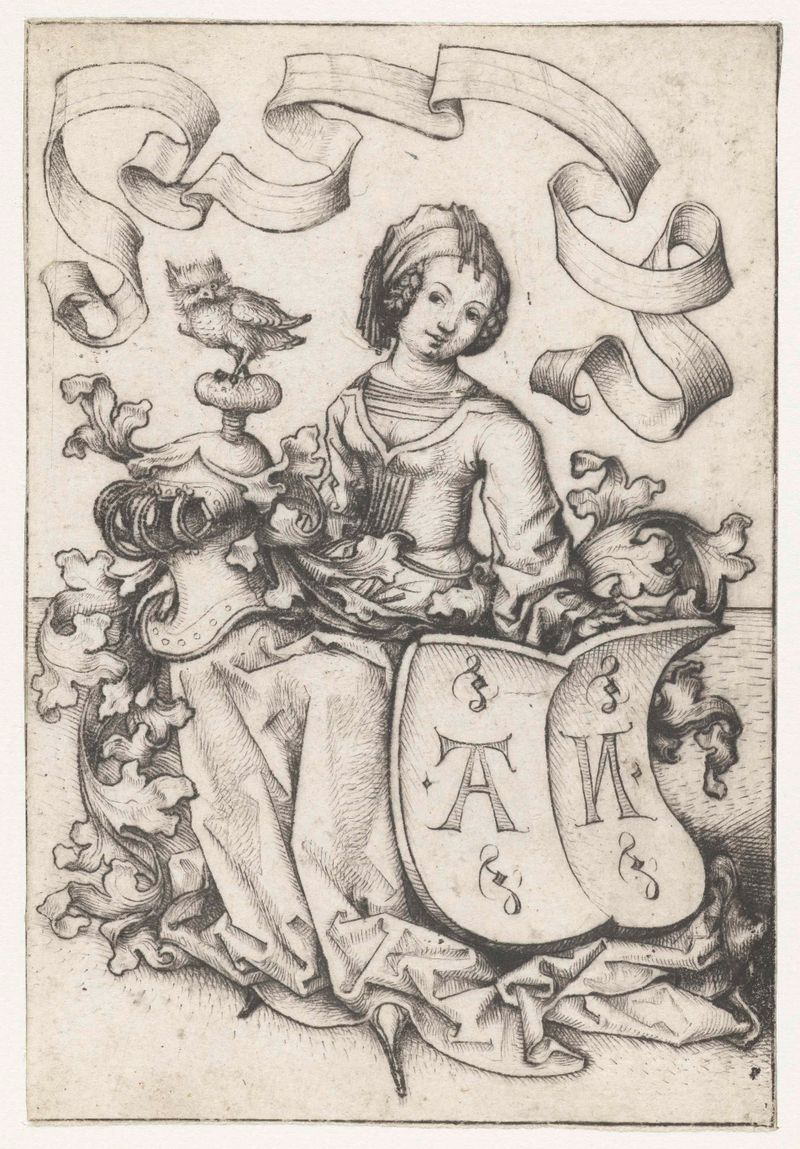
Dame met uil en wapenschild met de letters AN
Meester van het Amsterdamse Kabinet
More Religious Art
Browse all →
The Return of the Prodigal Son
Rembrandt van Rijn

The Garden of Earthly Delights
El Bosco

Count Orgaz’ funeral
El Greco

The Hundred Guilder Print: the central piece with Christ preaching, the plate arched
Rembrandt van Rijn

The Descent from the Cross
Rogier van der Weyden

The return of the prodigal son
Rembrandt van Rijn