
Heilige Barbara (grote versie) — History & Facts
When did color learn to lie? The canvas whispers stories of destiny beneath its vibrant façade, drawing the viewer into a world where hues dance between truth and illusion. Each stroke is a question mark, inviting us to explore the depths hidden within the layers of paint. Look to the center of the composition, where the figure of Saint Barbara stands resolute against a kaleidoscope of colors. Her radiant robes, draped elegantly, appear to shimmer in the soft glow of golden light that seeps in from the side, casting a gentle aura around her.
Notice the detailed architecture in the background, a gothic structure that grounds her in a tangible reality, contrasting with the ethereal quality of her presence. The warm reds and rich blues of her attire draw the eye, while the delicate textures of her skin evoke vulnerability and strength simultaneously. The tension within the work lies in the juxtaposition of the saint's serene expression against the chaos of her story. The sword and palm branch in her hands symbolize both martyrdom and victory, illustrating her complex relationship with fate.
Each item in the scene holds significance: the heavenly light seems to bless her, yet it also hints at the darkness of her impending trials, suggesting a duality that resonates with the human experience of grappling with destiny. Created between 1470 and 1475, this piece emerges from a time when the Northern Renaissance was flourishing in the Netherlands, characterized by intricate details and emotional depth. The artist, known as the Master of the Amsterdam Cabinet, navigated a shifting art landscape where the use of oil paints allowed for unprecedented realism and emotional expression. This moment in history not only enriched artistic techniques but also deepened the exploration of complex themes like fate, belief, and the human condition.
More Artworks by Meester van het Amsterdamse Kabinet
Browse all →
De Heilige Familie bij de rozenstruik
Meester van het Amsterdamse Kabinet

Hertenjacht
Meester van het Amsterdamse Kabinet
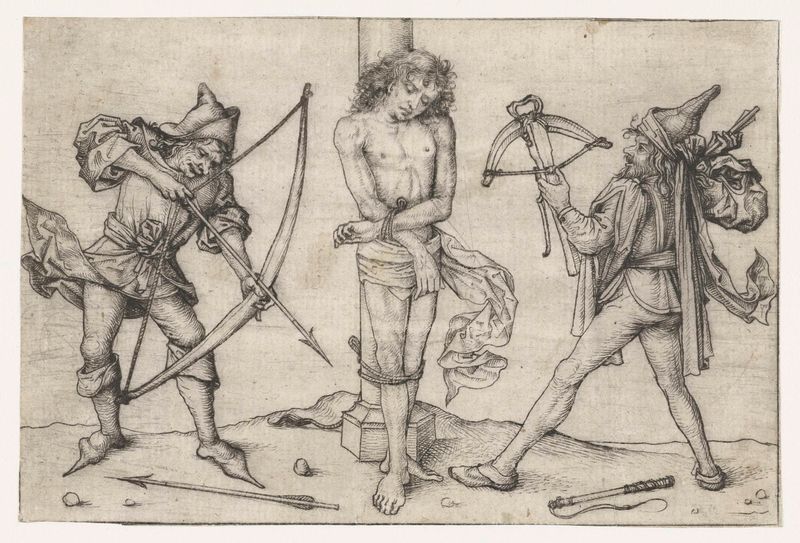
Heilige Sebastiaan met boogschutters
Meester van het Amsterdamse Kabinet

Het lichaam van Christus ondersteund door twee engelen
Meester van het Amsterdamse Kabinet

Heilige Anna-te-Drieën
Meester van het Amsterdamse Kabinet
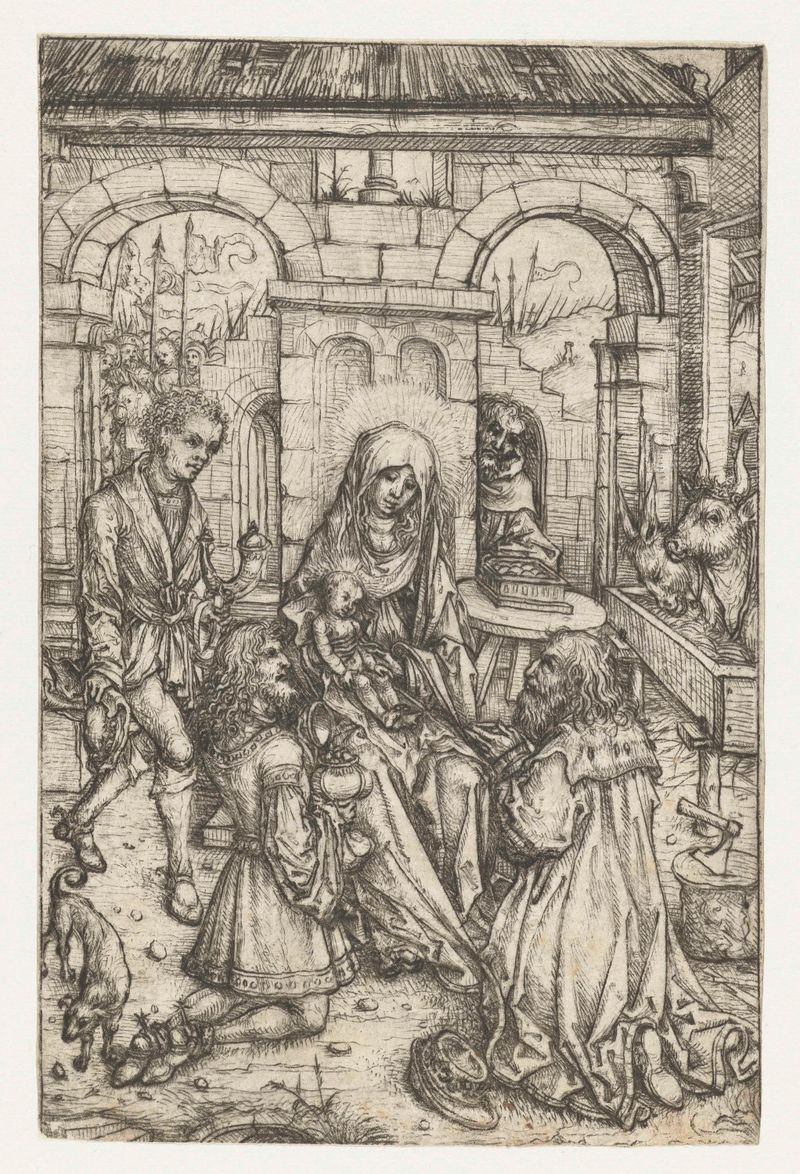
Aanbidding der koningen
Meester van het Amsterdamse Kabinet
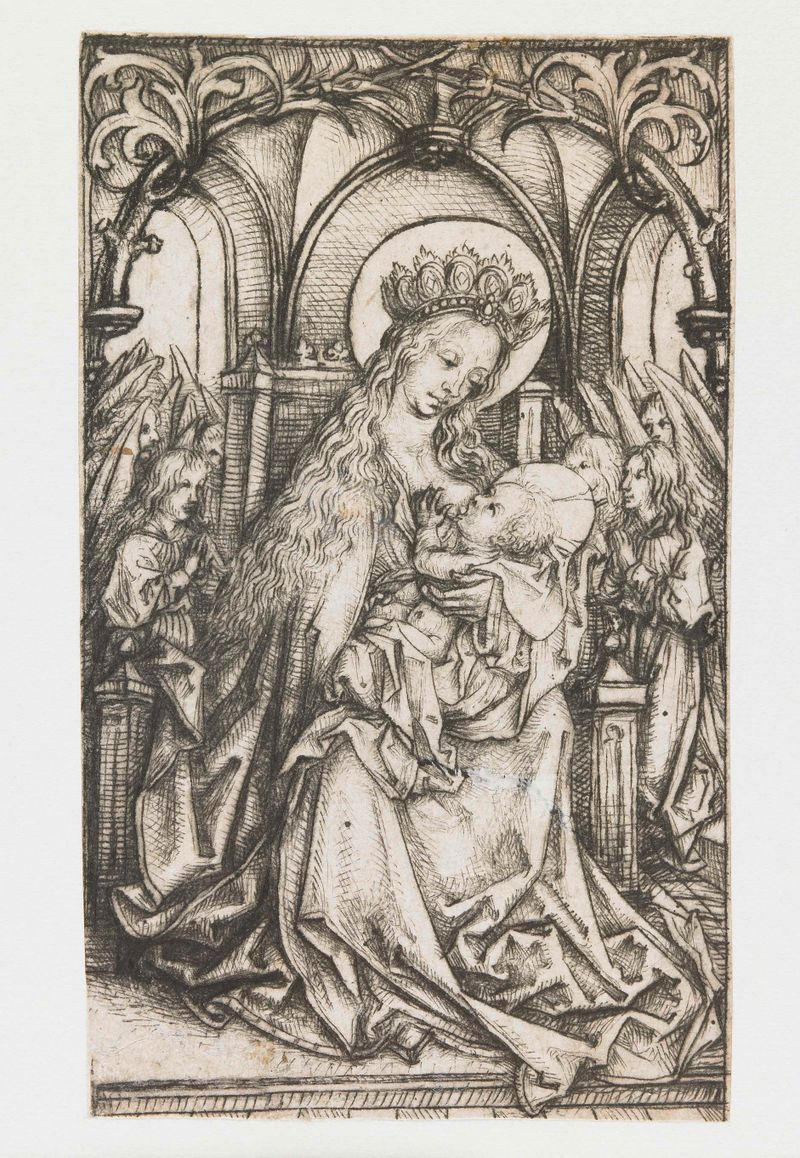
Tronende Madonna door engelen aanbeden
Meester van het Amsterdamse Kabinet

Het zegenend Christuskind
Meester van het Amsterdamse Kabinet
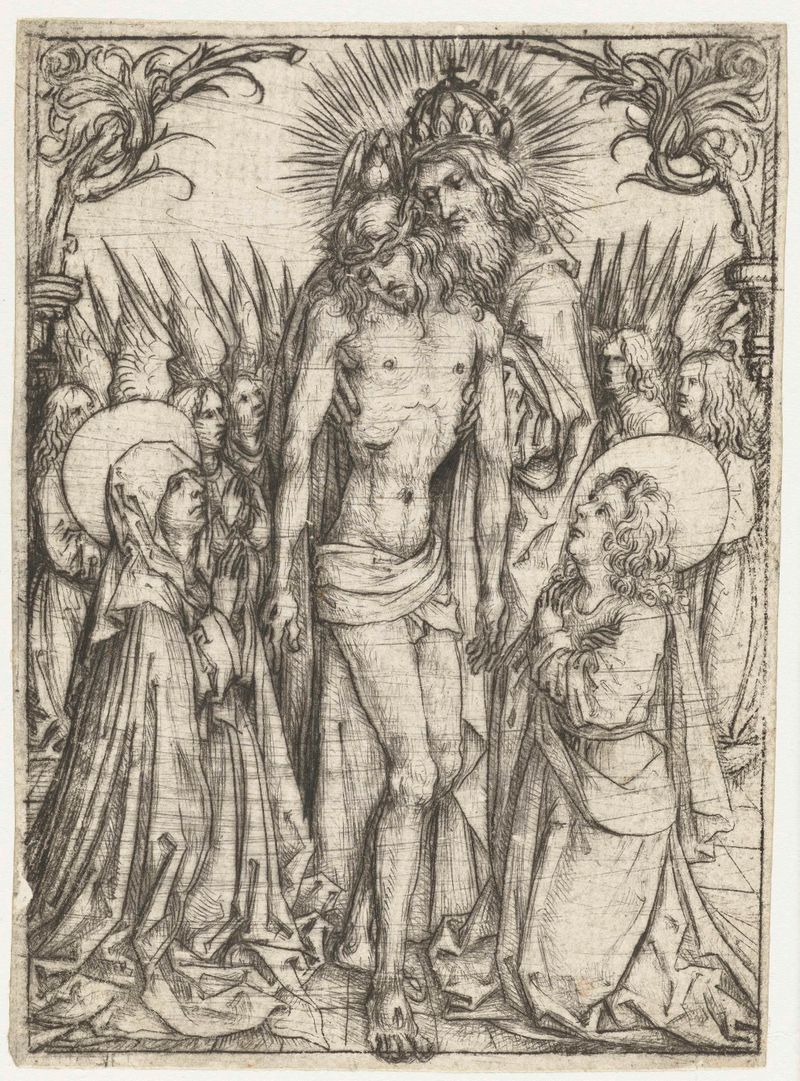
Aanbidding van de Heilige Drieëenheid door Maria, Johannes de Evangelist en engelen
Meester van het Amsterdamse Kabinet
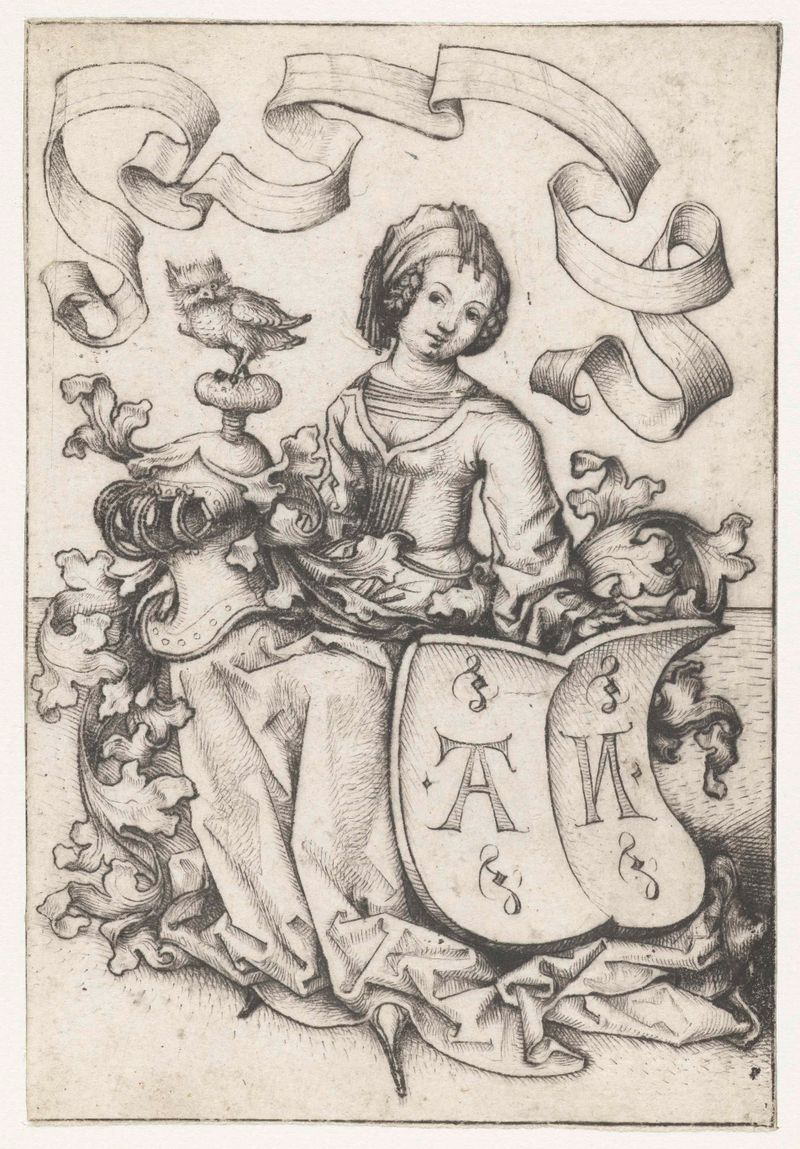
Dame met uil en wapenschild met de letters AN
Meester van het Amsterdamse Kabinet
More Religious Art
Browse all →
The Return of the Prodigal Son
Rembrandt van Rijn

The Garden of Earthly Delights
El Bosco

Count Orgaz’ funeral
El Greco

The Hundred Guilder Print: the central piece with Christ preaching, the plate arched
Rembrandt van Rijn

The Descent from the Cross
Rogier van der Weyden

The return of the prodigal son
Rembrandt van Rijn