
De ruïne van de Abdij van Rijnsburg — History & Facts
Could a single brushstroke hold eternity? In the intricate architecture of De ruïne van de Abdij van Rijnsburg, one glimpses the passage of time, layered upon the canvas in whispers of decay and beauty. Focus first on the weathered stones of the abbey, where light delicately dances across the surfaces, revealing the textures of age and neglect. The artist’s meticulous attention to detail draws your eye to the archways and crumbling walls, inviting contemplation of the once-grand structure. The cool blues and earthy browns establish a somber yet reverent atmosphere, while the soft luminosity of the sky above contrasts with the darkness below, suggesting a fleeting moment caught between history and memory. Amidst the ruins lies a profound tension between permanence and transience.
The stark reality of decay is softened by the lush greenery creeping through the stone, symbolizing nature’s triumph over human endeavor. Here, one can discern a quiet meditation on the inevitability of time’s passage, where beauty remains even in desolation. The interplay of light and shadow adds depth, creating an illusion that oscillates between what was and what will never be again. Jacob van Liender painted this work during a period of introspection, between 1779 and 1838, amid a growing interest in romanticism and the picturesque.
Living in the Netherlands, he was influenced by the surrounding landscapes and historical ruins, reflecting a cultural shift toward valuing nature and its sublime qualities. This piece encapsulates not just a moment in time but an era grappling with its own legacy, forever etched in the strokes of his brush.
More Artworks by Jacob van Liender
Browse all →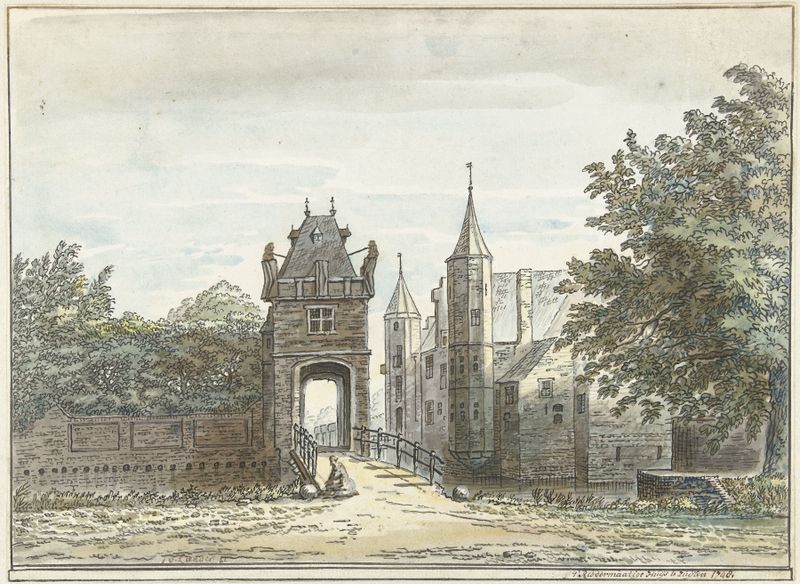
Het Huis te Zuylen
Jacob van Liender
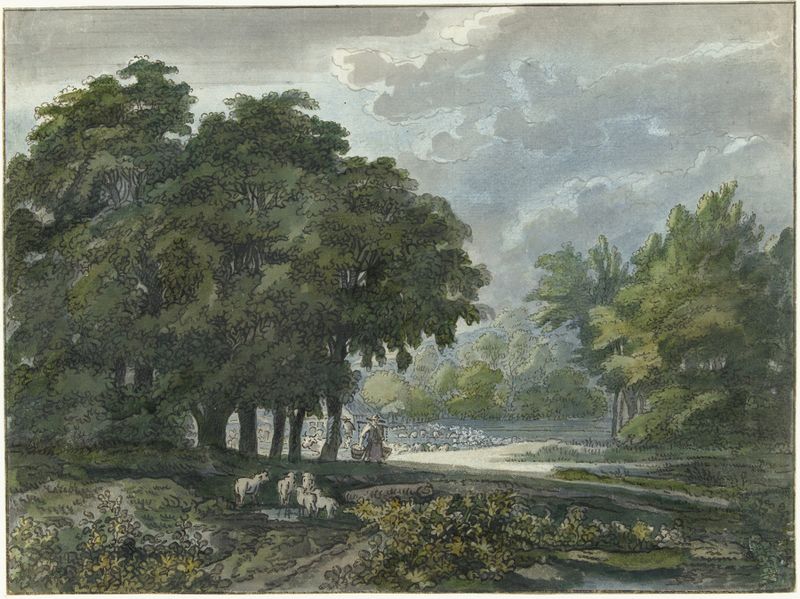
Herders met kudde in bosrijk landschap
Jacob van Liender

Arcadisch landschap met een rustende man bij het water
Jacob van Liender
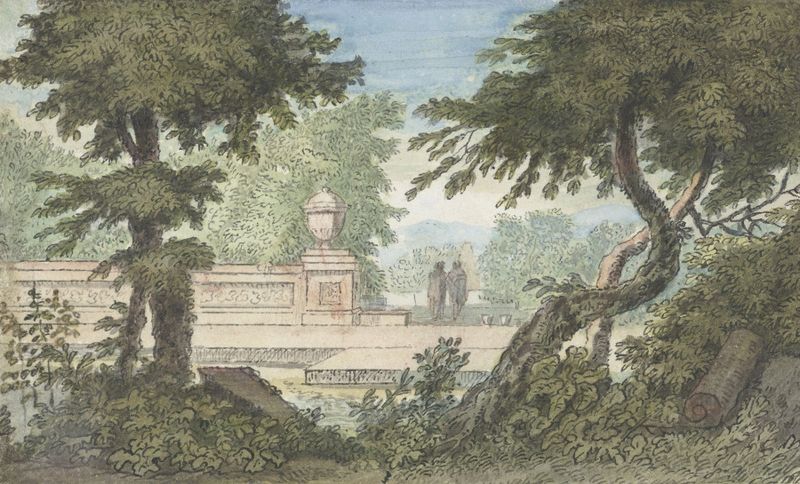
Arcadisch landschap
Jacob van Liender

Aan de Stadt Muur tot Utrecht
Jacob van Liender

Het afbreken van de ruïne van de Abdij van Rijnsburg
Jacob van Liender

Landschap met schapen
Jacob van Liender
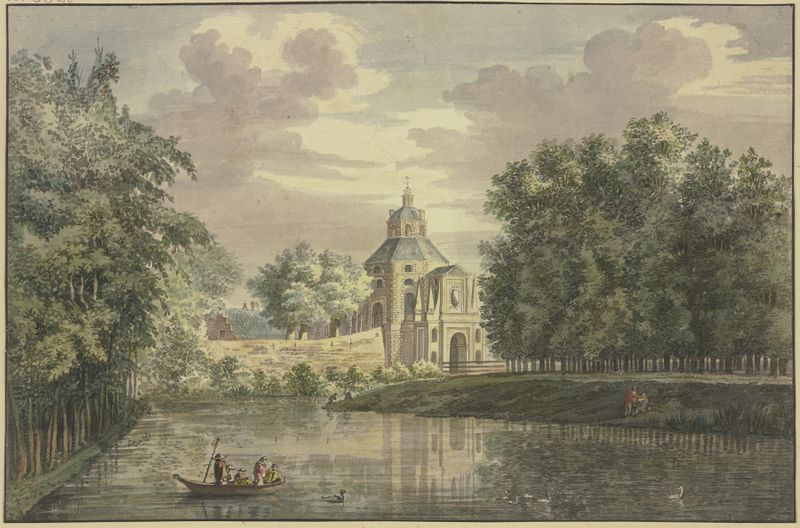
Tor zu Utrecht mit einem Teil der Promenade
Jacob van Liender
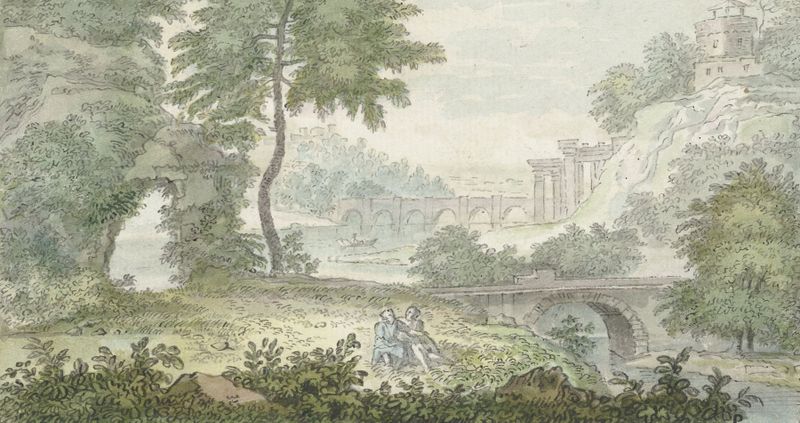
Italiaans landschap
Jacob van Liender

Herders met kudde in bosrijk landschap
Jacob van Liender
More Architecture Art
Browse all →
The statue of Liberty
Frédéric Auguste Bartholdi

View of Houses in Delft, Known as ‘The Little Street’
Johannes Vermeer

View of Houses in Delft, Known as ‘The Little Street’
Johannes Vermeer

The Cathedral in Rouen. The portal, Grey Weather
Claude Monet

The yellow house
Vincent van Gogh

The Church in Auvers-sur-Oise, View from the Chevet
Vincent van Gogh