
Landschap met schapen — History & Facts
What secret hides in the quiet of the canvas? In Landschap met schapen, shadows play a vital role, whispering untold stories beneath the surface of tranquility. The viewer is invited to peel back layers of meaning as soft hues blend harmoniously, encapsulating the essence of the pastoral landscape. Look to the left at the gentle slope of the hill, where soft greens and earthy browns converge to cradle the grazing sheep. The light dances delicately across the landscape, creating a tapestry of warmth and depth that guides the eye toward the horizon.
Notice how the interplay of light and shadow accentuates the contours of each sheep, lending them a palpable presence, while the distant trees provide a serene backdrop. The subtle gradations of color reveal not only a skilled technique but also an intimate connection to nature's rhythm. Yet, beyond the serene exterior, a complex narrative unfolds. The shadows cast by the trees evoke a sense of solitude, suggesting a deeper contemplation of life in rural settings.
The sheep, often symbols of innocence, stand amidst an expanse that speaks to the isolation of pastoral life. The contrast between light and dark hints at the duality of existence—peaceful yet laden with unspoken thoughts. Jacob van Liender created this pastoral scene in his studio during the 18th century, a period marked by the flourishing of Dutch landscape painting. Working in a time when art depicted the harmony of nature, he sought to capture not just a visual representation but the emotive power of rural life.
As Europe grappled with social and political upheaval, his work became a refuge, celebrating the simplicity and beauty found in the quiet corners of the world.
More Artworks by Jacob van Liender
Browse all →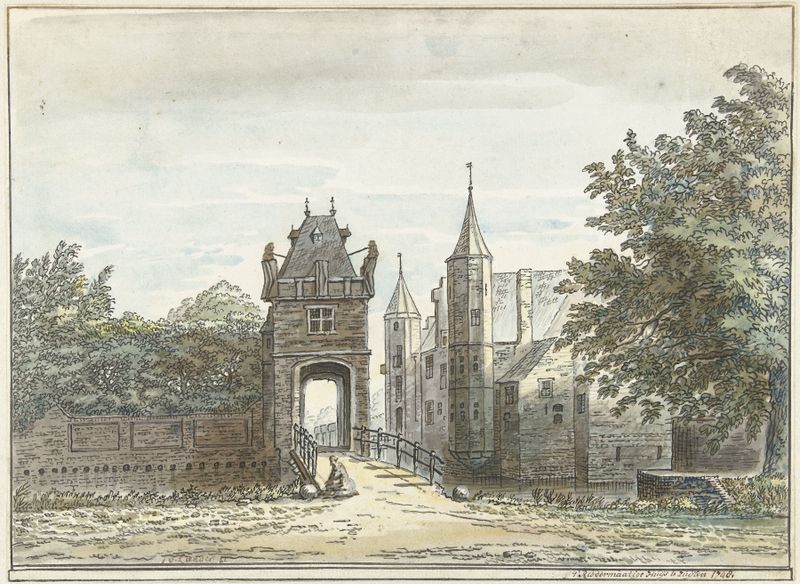
Het Huis te Zuylen
Jacob van Liender
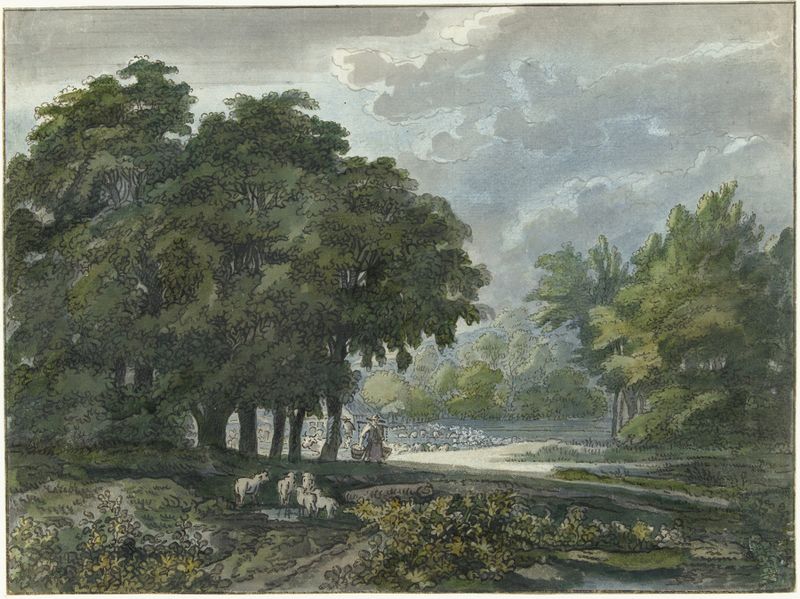
Herders met kudde in bosrijk landschap
Jacob van Liender

Arcadisch landschap met een rustende man bij het water
Jacob van Liender
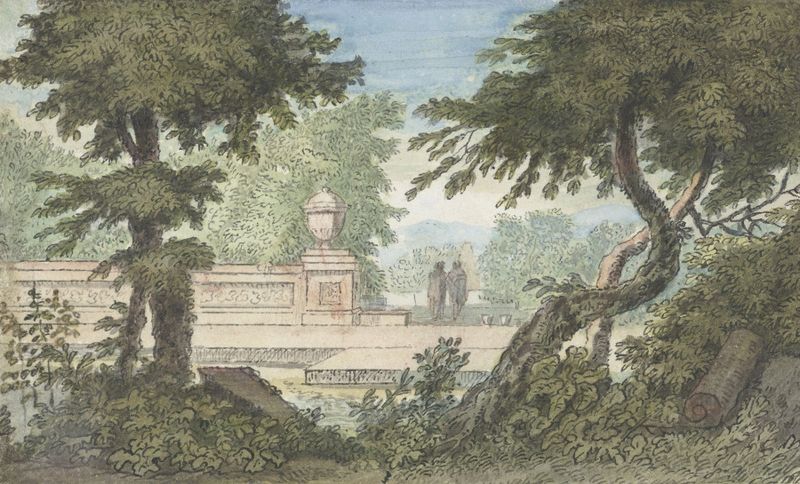
Arcadisch landschap
Jacob van Liender
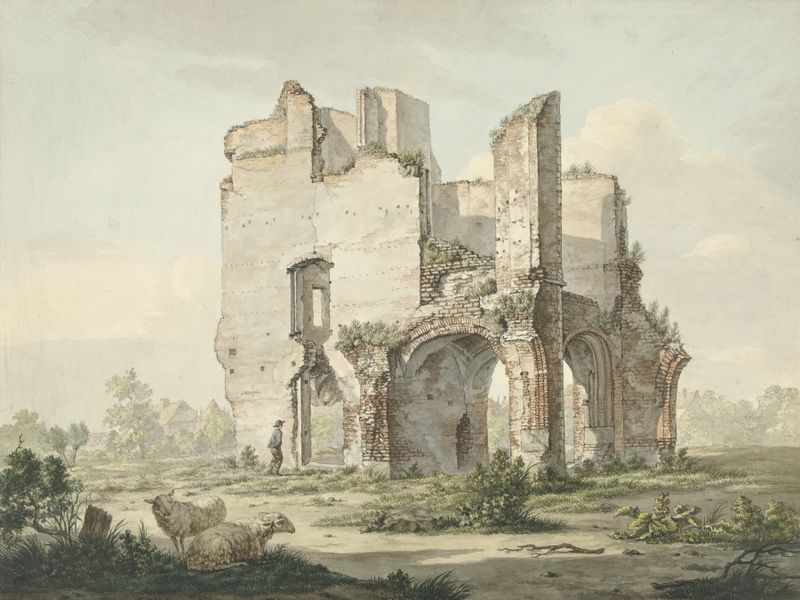
De ruïne van de Abdij van Rijnsburg
Jacob van Liender

Aan de Stadt Muur tot Utrecht
Jacob van Liender

Het afbreken van de ruïne van de Abdij van Rijnsburg
Jacob van Liender
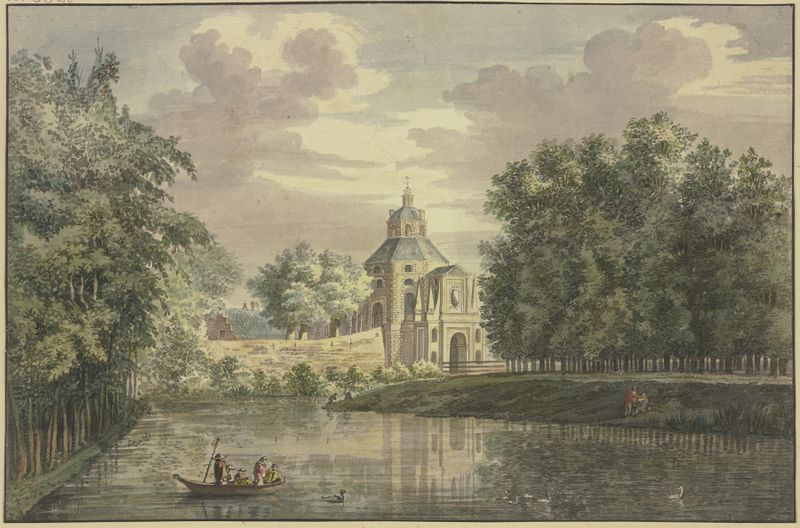
Tor zu Utrecht mit einem Teil der Promenade
Jacob van Liender
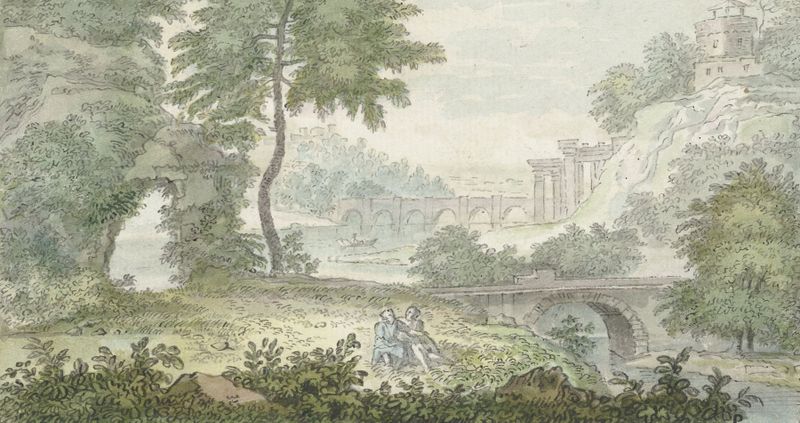
Italiaans landschap
Jacob van Liender

Herders met kudde in bosrijk landschap
Jacob van Liender





