
De stroom — History & Facts
Can beauty exist without sorrow? In the tender embrace of illusion, this enigmatic artwork invites contemplation on the delicate balance between joy and melancholy. Focus first on the stream that flows through the heart of the composition, its shimmering surface reflecting a canopy of dappled light. Notice how the artist employs gentle blues and greens to create an atmosphere of tranquility, while the figures, placed strategically along the banks, seem lost in thought. The brushwork is fluid and graceful, mirroring the water’s movement while the dark edges frame the scene—bringing a sense of depth and mystery. Beyond the surface, the juxtaposition of light and shadow hints at deeper emotional tensions.
The figures appear isolated, each absorbed in their own reverie, evoking a sense of longing and introspection. This interplay captures the essence of existence: the beautiful stream is a metaphor for life's fleeting moments, where each ripple may represent joy overshadowed by the weight of unspoken sorrow. The illusory beauty of the scene masks the more complex emotions swirling beneath. The unknown artist created this piece between 1610 and 1703 during a time of transformation in art, when the Baroque style was giving way to more intimate and personal expressions.
In an era marked by both prosperity and upheaval, they navigated the intricacies of light and dark, reflecting the emotional landscapes of their own experiences. The artwork serves as a testament to a time when beauty was often intertwined with the contemplation of life’s transient nature.
More Artworks by Unknown Artist
Browse all →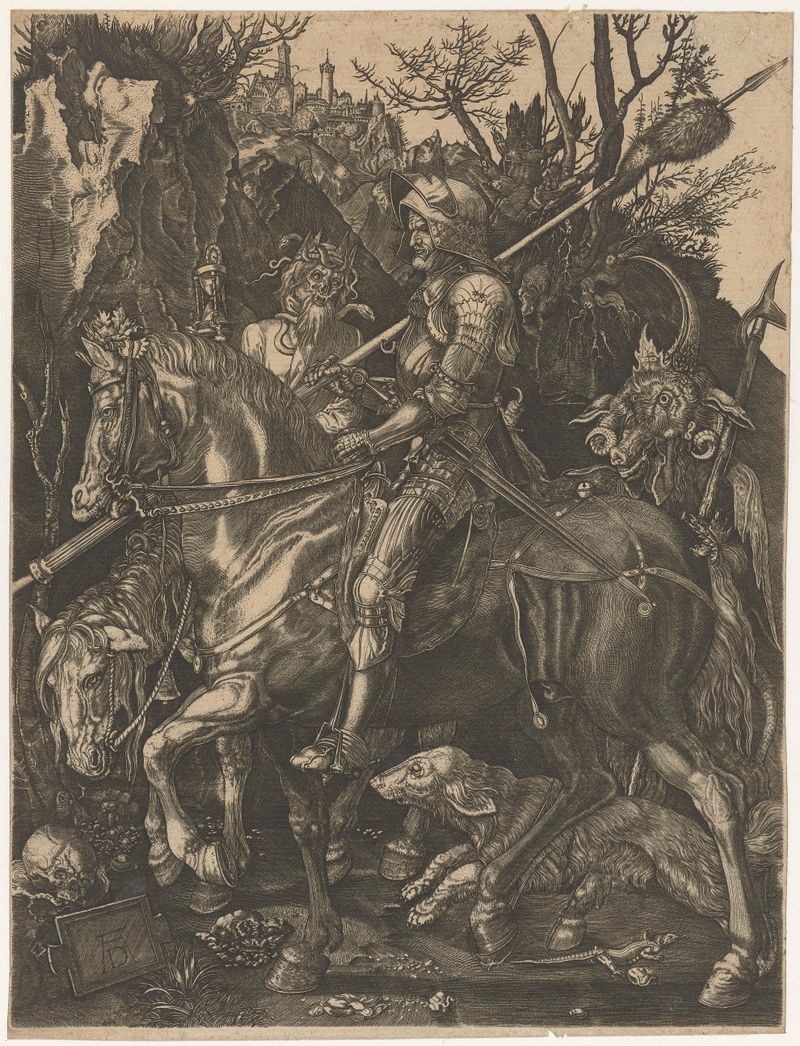
Ridder, Dood en Duivel
Unknown Artist
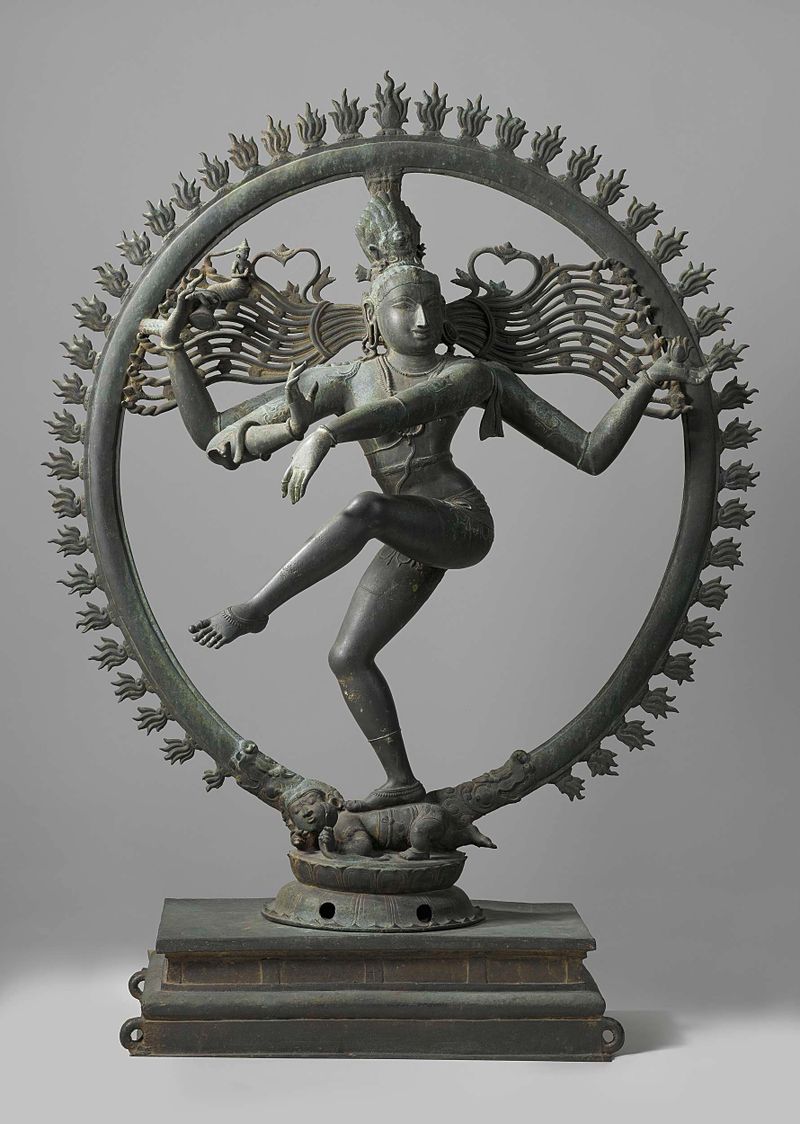
Shiva Nataraja
Unknown Artist
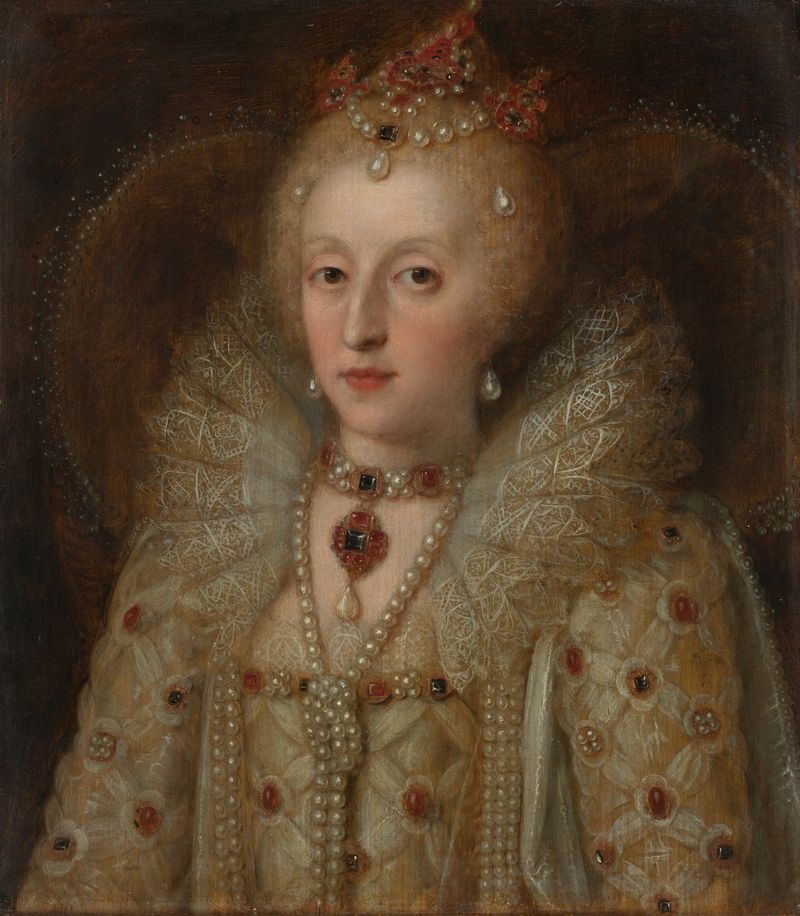
Portrait of Elizabeth I, Queen of England
Unknown Artist
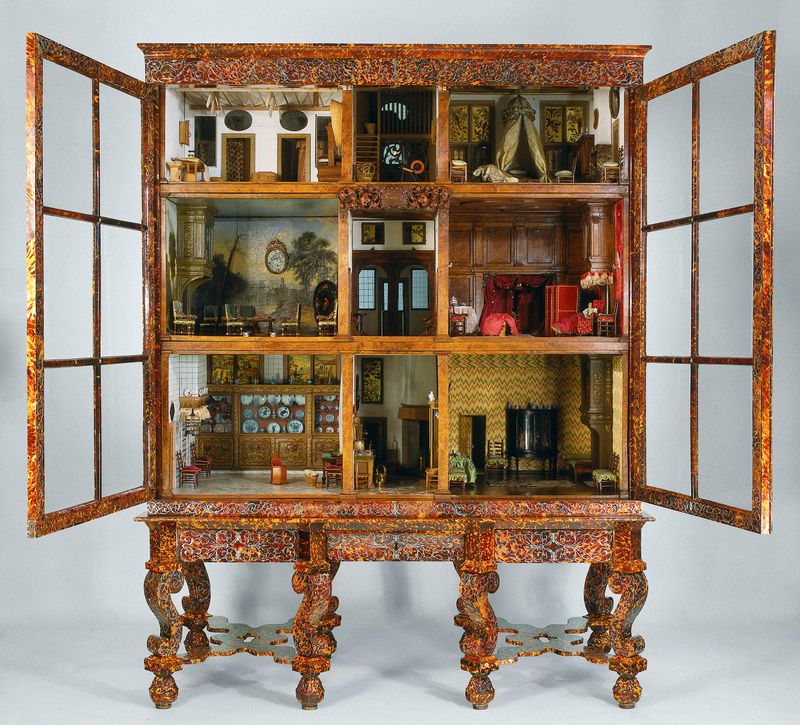
Dolls’ house of Petronella Oortman
Unknown Artist
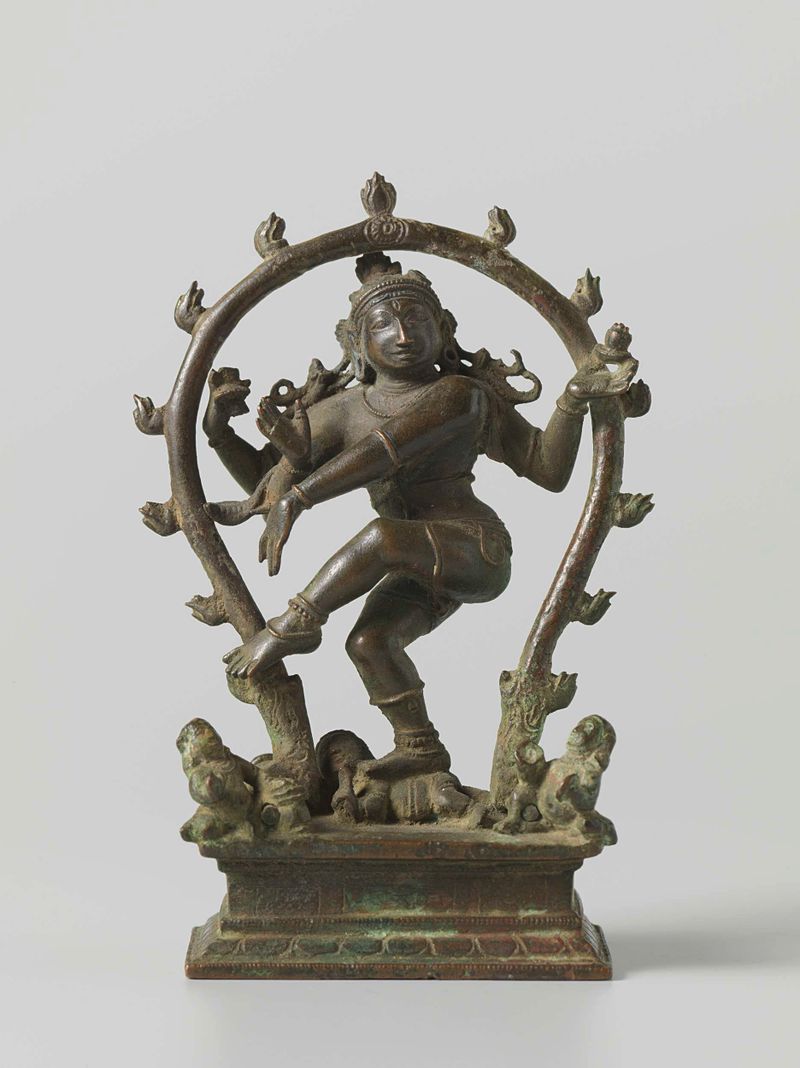
Shiva Nataraja
Unknown Artist

The Tale of Genji
Unknown Artist

The Tale of Genji
Unknown Artist

Cong
Unknown Artist
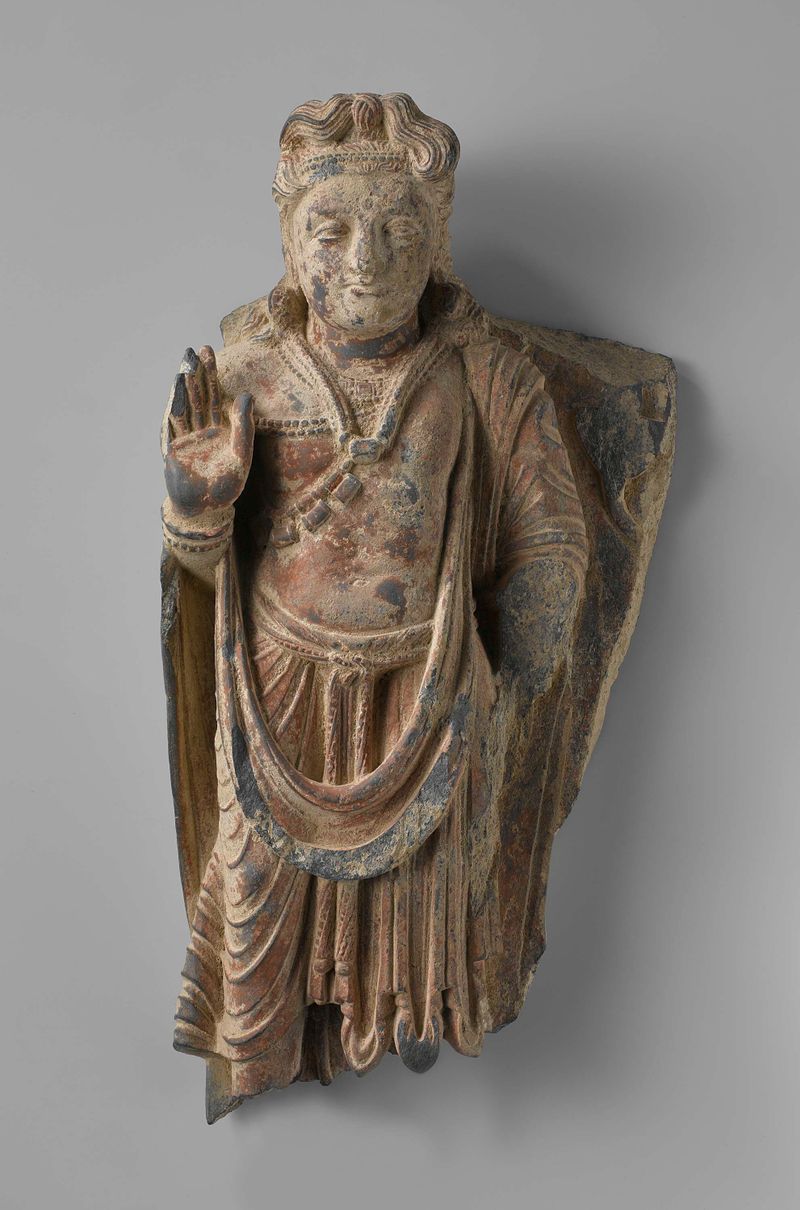
The bodhisattva Maitreya
Unknown Artist

Teabowl with a 'hare's fur' glaze
Unknown Artist





