
De Waag (Weighing House) and Crane on the Spaarne, Haarlem — History & Facts
When did color learn to lie? In the delicate interplay of hue and reflection, truths and illusions coalesce, revealing the fragility of perception. Look closely at the waterways of Haarlem, where the surface shimmers with the brilliance of the sky. Notice how the light dances across the rippling water, transforming the scene into an ethereal mirror. The Weighing House, anchored on the left, dominates the composition, its architectural grandeur reflected in the canal, while the crane, a sentinel of industry, looms elegantly in the background.
The artist's meticulous brushwork and choice of cool blues and warm earth tones create a palpable atmosphere, guiding the viewer's gaze through both the physical and the ephemeral. Beneath the idyllic surface lies a tension between nature and human enterprise. The reflection not only showcases the structure but also hints at the transient nature of life, suggesting that what we see is sometimes more than just a reflection. There is a harmony here, yet an undertone of uncertainty, as the water's surface distorts the reality, merging the present with the past.
The juxtaposition of the serene landscape against the functional architecture speaks to a deeper dialogue between beauty and utility. During the late 17th century, in the thriving artistic hub of Haarlem, Gerrit Adriaensz. Berckheyde was carving a niche within the world of Dutch landscape painting. He painted De Waag (Weighing House) and Crane on the Spaarne between 1660 and 1698, a time marked by a burgeoning interest in realism and detail.
The influence of genre painting and the integration of urban life into landscape works reflected the societal shifts of the era, where commerce and art intertwined seamlessly.
More Artworks by Gerrit Adriaensz. Berckheyde
Browse all →
View of the Golden Bend in the Herengracht
Gerrit Adriaensz. Berckheyde
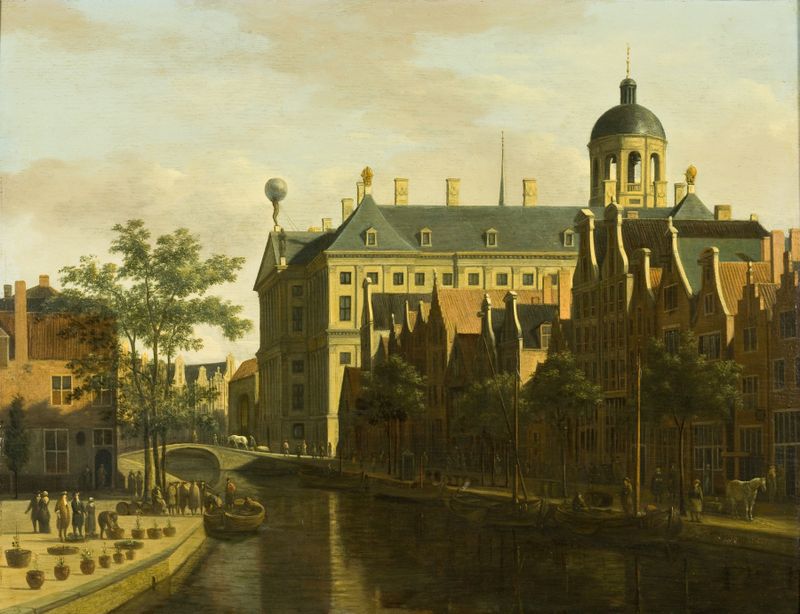
The Nieuwezijds Voorburgwal with the Flower and Tree Market in Amsterdam
Gerrit Adriaensz. Berckheyde
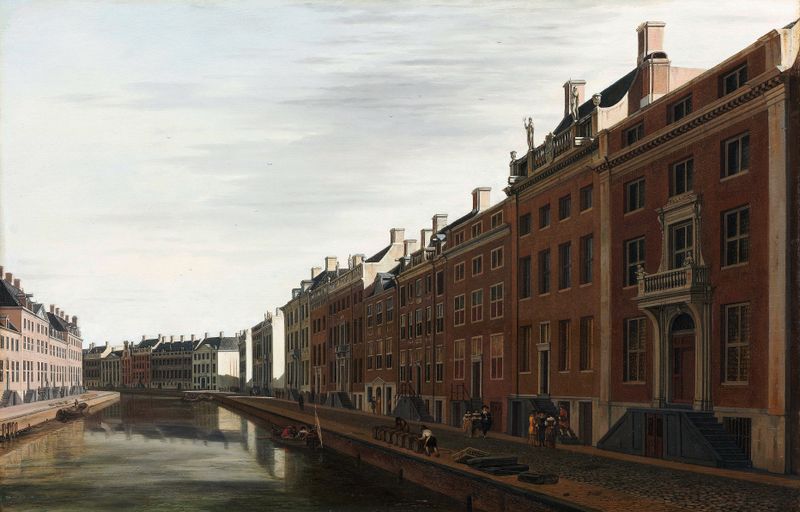
De Gouden Bocht in de Herengracht in Amsterdam vanuit het westen
Gerrit Adriaensz. Berckheyde
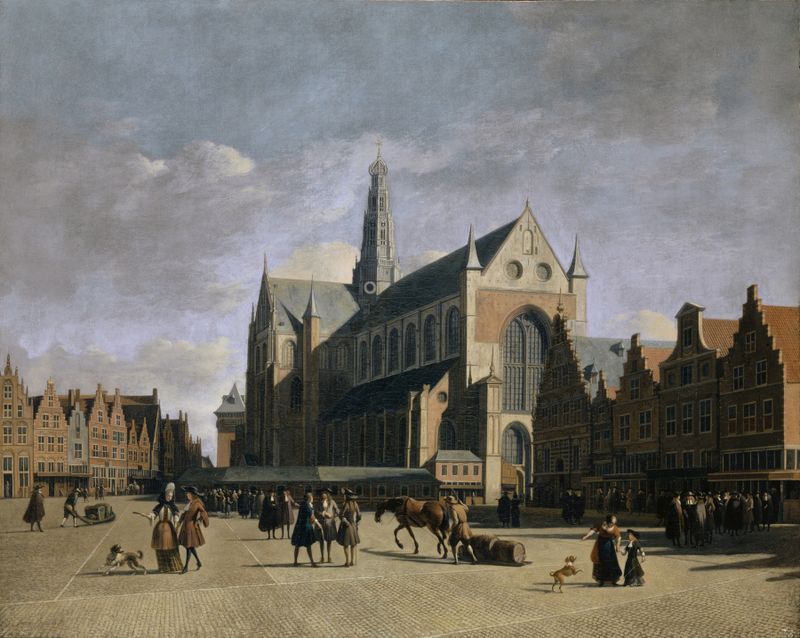
The Market Place in Haarlem
Gerrit Adriaensz. Berckheyde
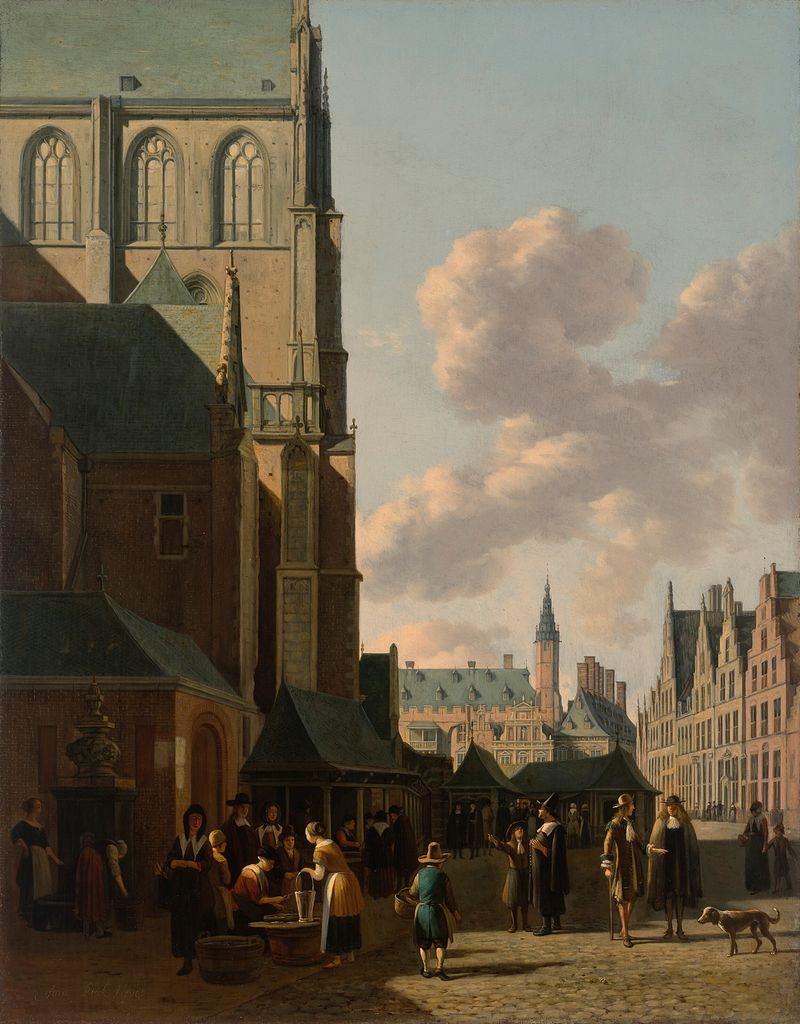
The Grote Markt, Haarlem, looking west, with the Grote Kerk (St Bavo’s) and the fish-market, the Town Hall beyond
Gerrit Adriaensz. Berckheyde
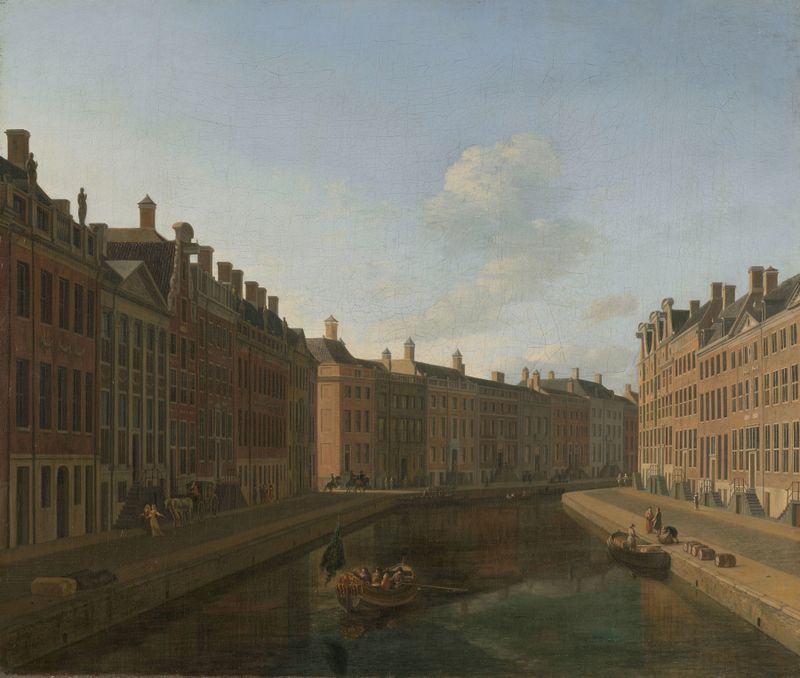
Gezicht op de Gouden Bocht in de Herengracht vanuit het oosten
Gerrit Adriaensz. Berckheyde

The Town Hall on Dam Square, Amsterdam
Gerrit Adriaensz. Berckheyde

The Town Hall in Amsterdam
Gerrit Adriaensz. Berckheyde
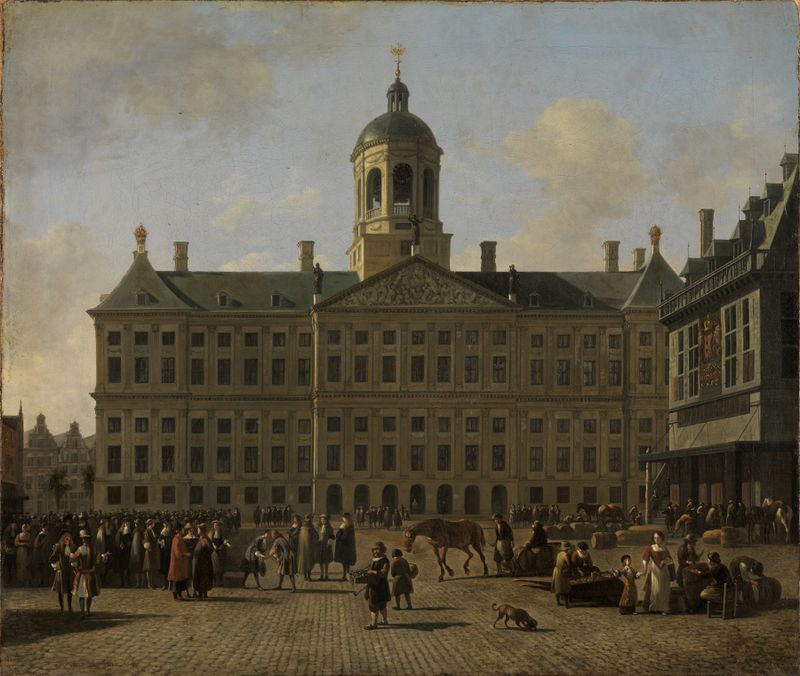
Der Damplatz zu Amsterdam mit dem Rathaus und der Waage
Gerrit Adriaensz. Berckheyde
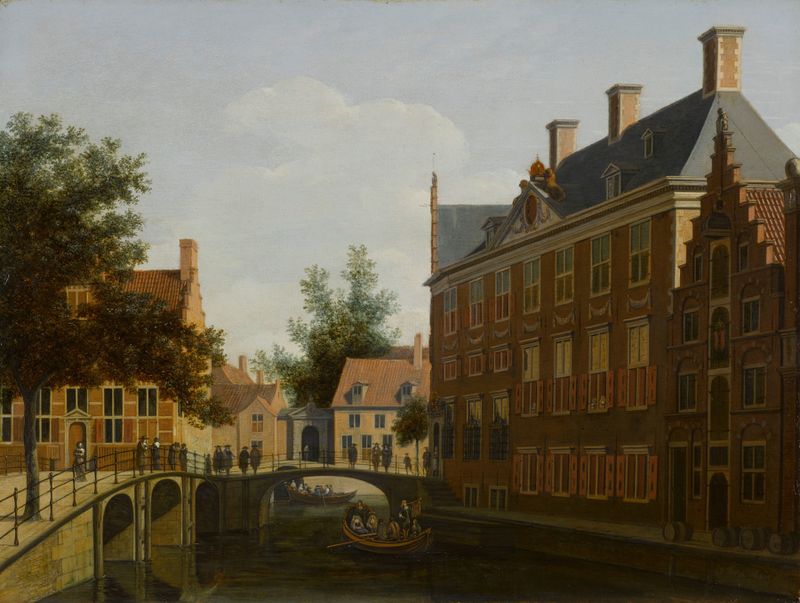
The Oude Zijds Herenlogement (Gentlemen’s Hotel) in Amsterdam
Gerrit Adriaensz. Berckheyde
More Architecture Art
Browse all →
The statue of Liberty
Frédéric Auguste Bartholdi

View of Houses in Delft, Known as ‘The Little Street’
Johannes Vermeer

View of Houses in Delft, Known as ‘The Little Street’
Johannes Vermeer

The Cathedral in Rouen. The portal, Grey Weather
Claude Monet

The yellow house
Vincent van Gogh

The Church in Auvers-sur-Oise, View from the Chevet
Vincent van Gogh