De warme bronnen van Shuzenji — History & Facts
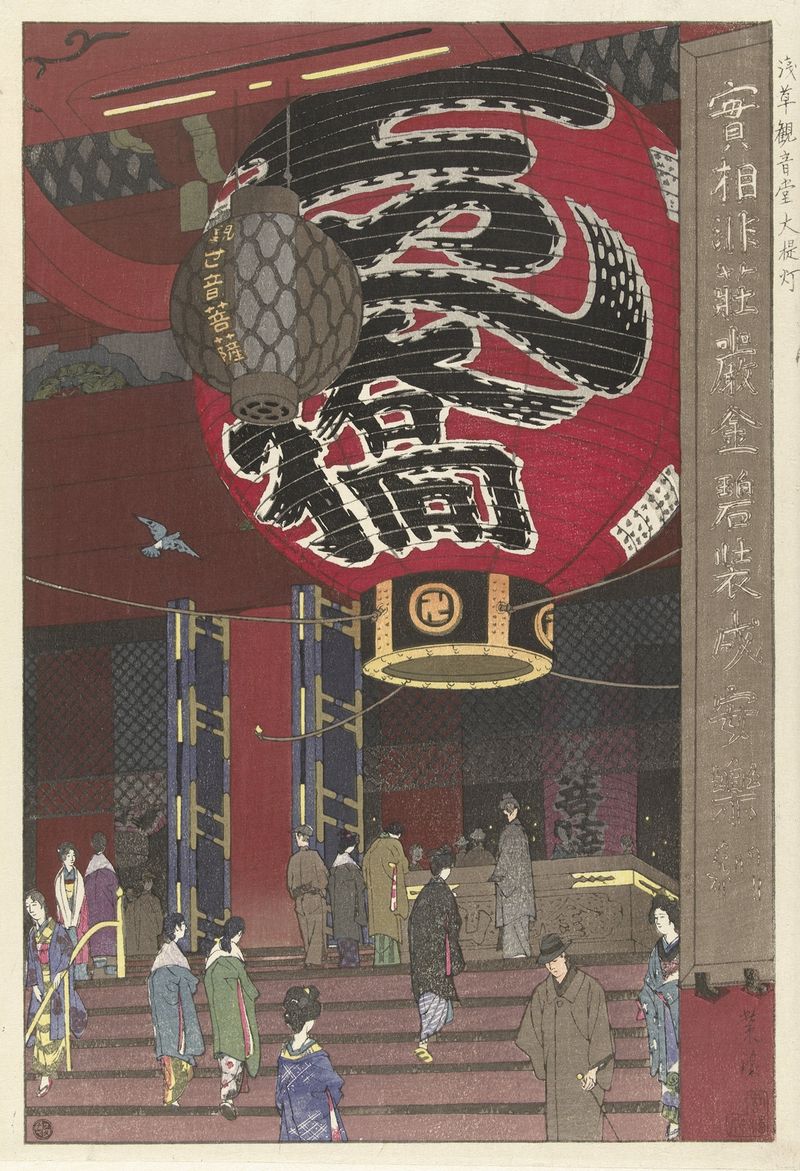
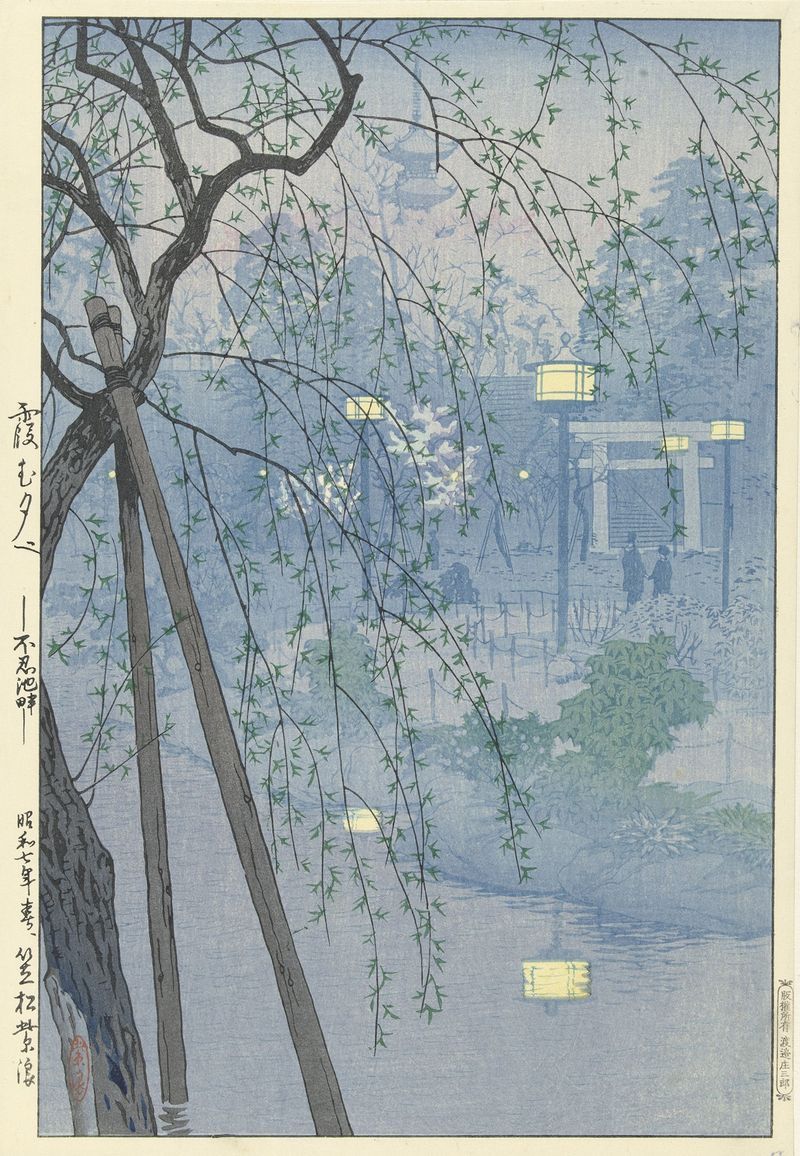
Did the painter know this moment would outlive them? A scene of serene warmth amidst whispers of revolution, captured in the stillness of the natural world. Look to the center, where soft, golden hues envelop the steaming hot springs, inviting the viewer into a realm of tranquility. Notice how the delicate strokes blend to form the gentle outlines of trees, creating a composition that breathes quietly with nature's rhythm. The interplay of light and shadow dances across the surface of the water, suggesting a hidden depth beneath its calm exterior — a world that holds secrets, memories, and the promise of renewal. In the foreground, quiet figures emerge, their forms slightly blurred, evoking a sense of anonymity and connection to the viewer.
They are both present and elusive, embodying the tension between the collective experience of peace and the unrest brewing outside this idyllic moment. The contrast between the vibrant, warm colors of the springs and the cooler, muted tones of the landscape amplifies this duality, hinting at the broader struggles of a society on the brink of change. Created in 1937, this work reflects the artist's experiences during a turbulent time in Japan, marked by political upheaval and social shifts. Kasamatsu Shirô, a prominent figure in the shin-hanga movement, sought to capture the beauty of everyday life while navigating the changing cultural landscape.
In this painting, he immortalizes a fleeting moment of serenity, a slice of life that stands in stark contrast to the chaos that surrounded him and the nation at large.