
Death And The Maiden — History & Facts
In Death And The Maiden, Horace Vernet presents a striking scene filled with emotional intensity. The painting features a young maiden in a dramatic pose, seemingly confronted by a skeletal figure representing death. The color palette is dominated by dark tones, contrasting with the pale skin of the maiden, which highlights her vulnerability.
The background is shadowy, adding to the overall somber atmosphere of the work. The painting is executed in oil on canvas, showcasing Vernet's skillful brushwork and attention to detail. The figures are rendered with a sense of realism, particularly in the textures of the clothing and the skeletal form. The composition draws the viewer's eye to the central confrontation between life and death, creating a dynamic tension.
The dimensions of the artwork are approximately 100 x 80 cm, making it a substantial piece that commands attention. Horace Vernet was a prominent French painter known for his historical and military scenes, but Death And The Maiden reveals his ability to tackle more allegorical themes. This work reflects the Romantic movement's fascination with the duality of life and death. An interesting fact about this painting is that it was created during a time when Vernet was exploring deeper emotional subjects, moving away from his earlier focus on battle scenes.
This shift illustrates the broader trends in art during the early 19th century, where personal expression became increasingly important.
More Artworks by Horace Vernet
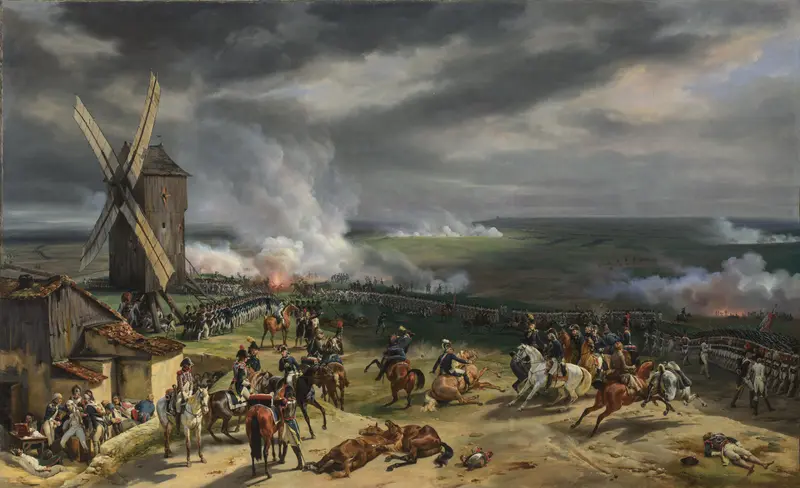
The Battle of Valmy
Horace Vernet

African War – Battle of Isly won against the Moroccans (August 13, 1844)
Horace Vernet
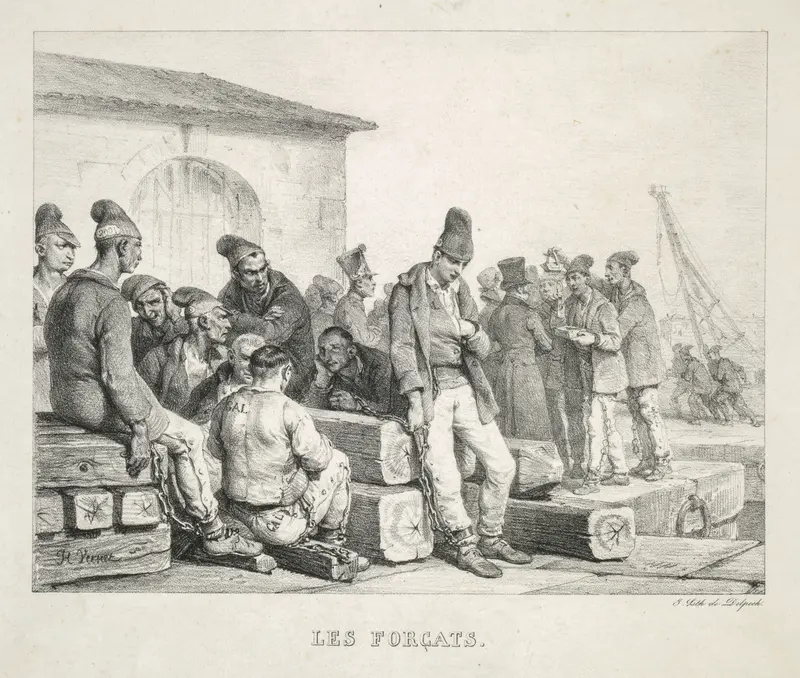
The Convicts
Horace Vernet
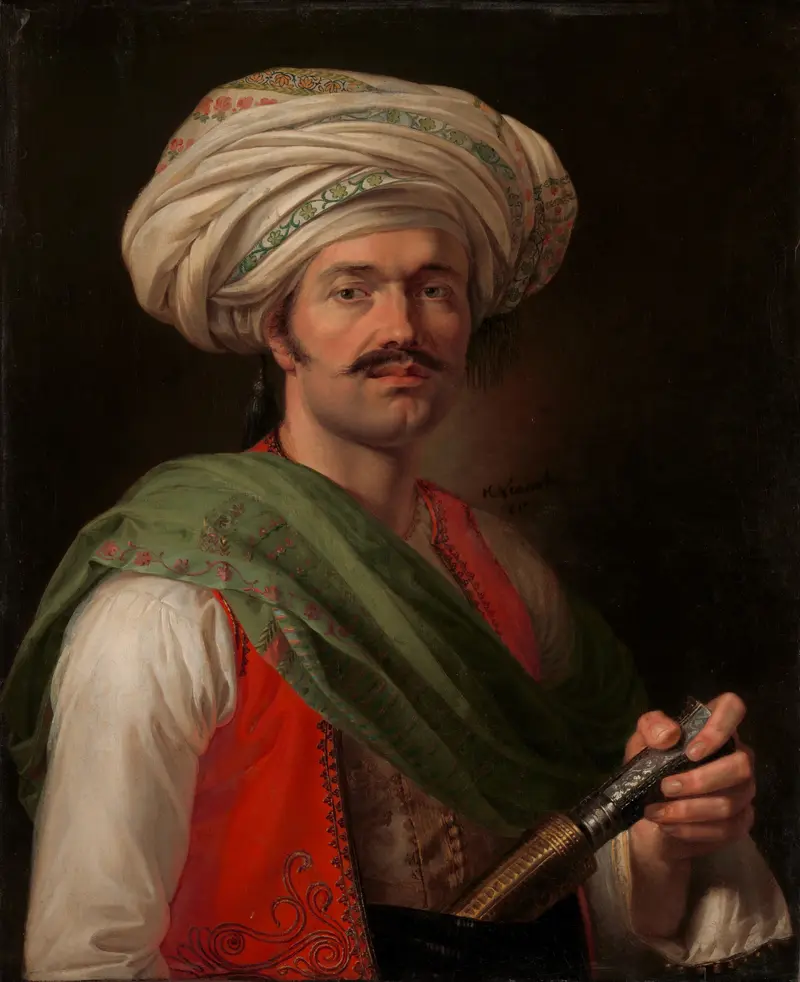
Portrait of a Mameluke. Said to Be Roustam Raza
Horace Vernet
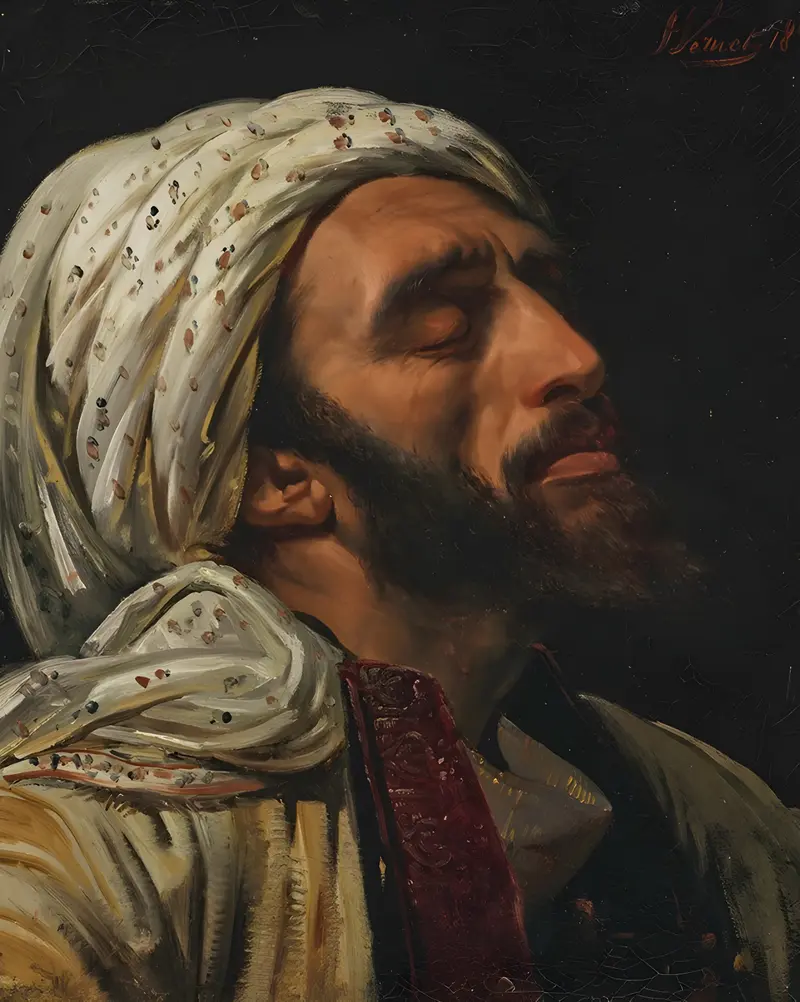
Portrait of an Arab man
Horace Vernet
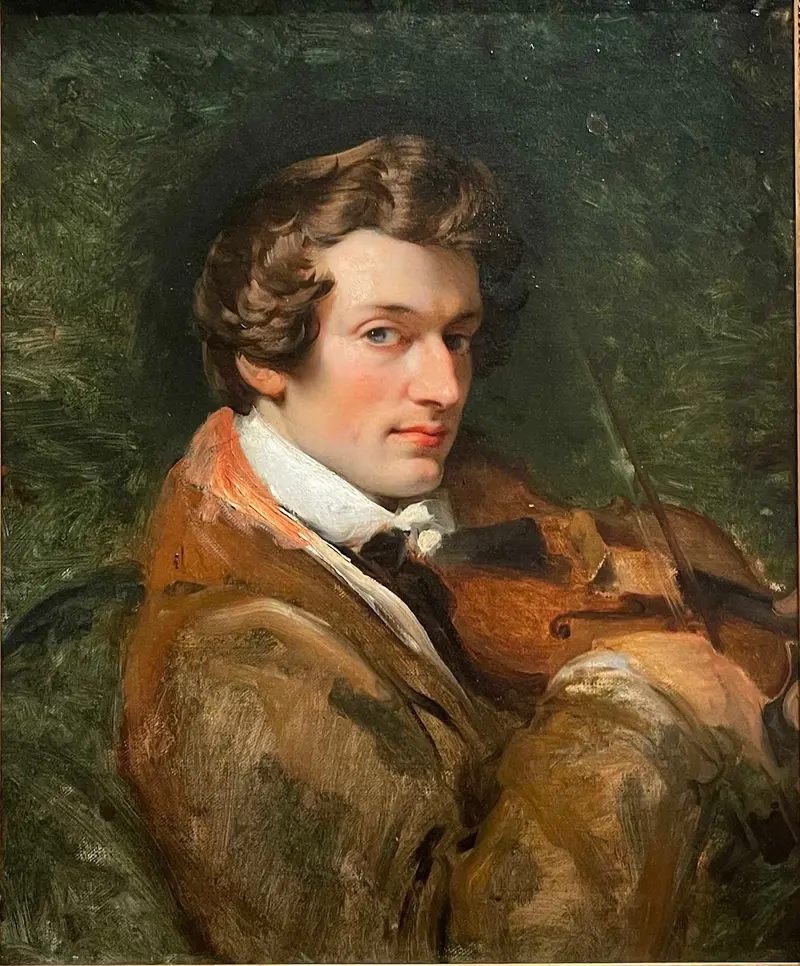
Portrait of Charles Auguste de Bériot
Horace Vernet
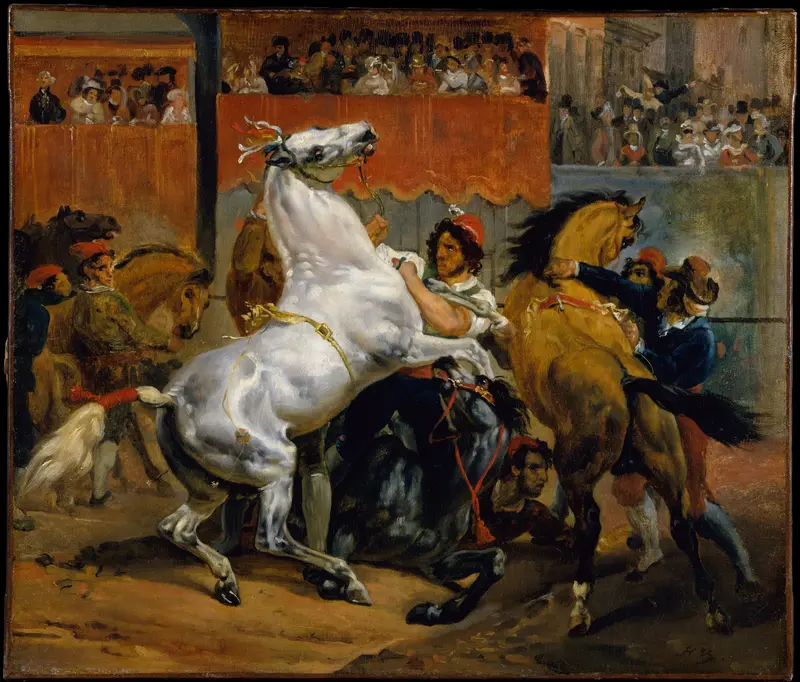
The Start of the Race of the Riderless Horses
Horace Vernet
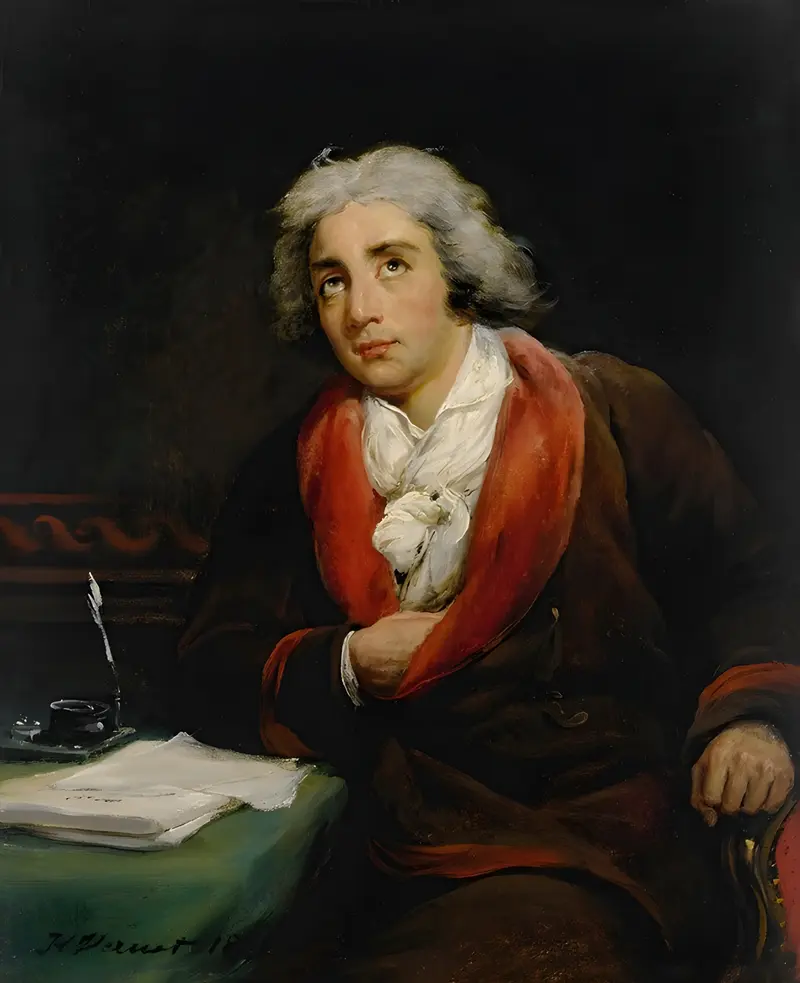
Portrait of the poet André Chénier (1762-1794)
Horace Vernet
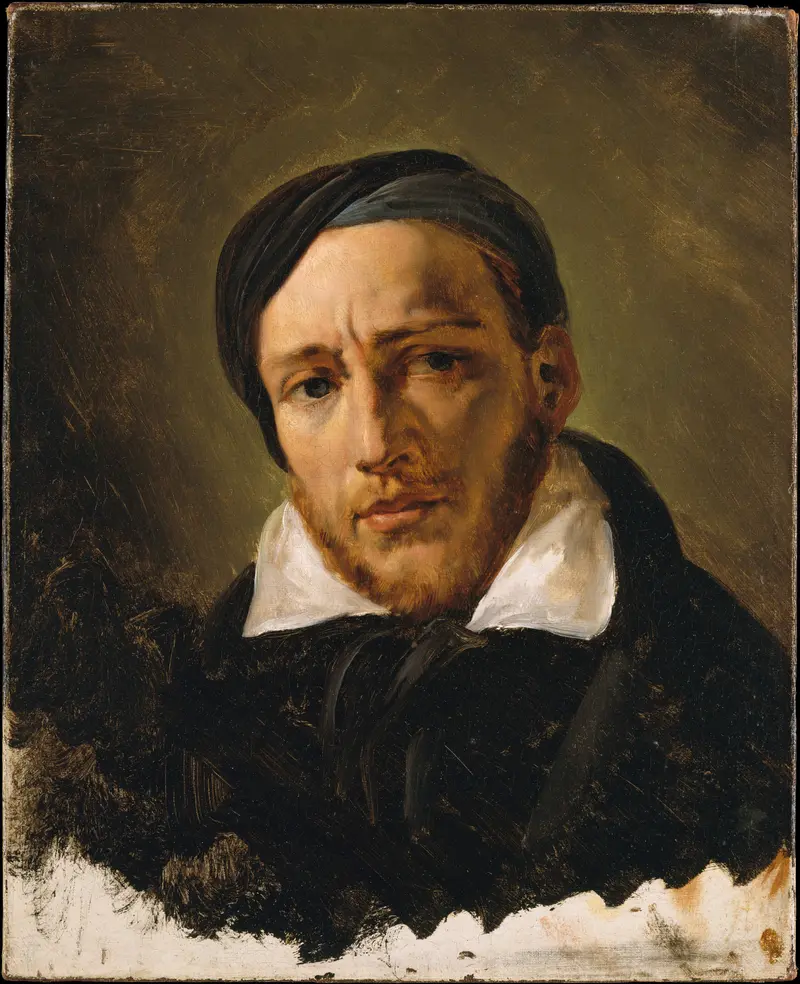
Jean-Louis-André-Théodore Gericault (1791–1824)
Horace Vernet
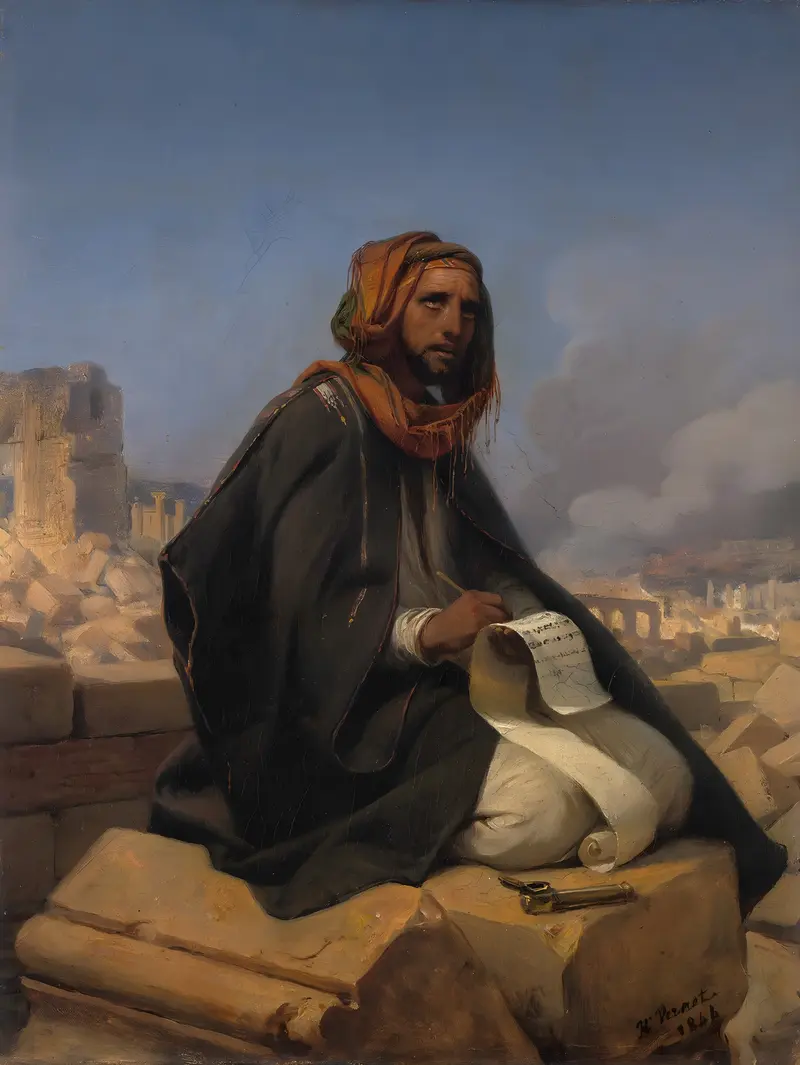
Jeremiah on the ruins of Jerusalem
Horace Vernet





