
Der Arco degli Argentarii bei San Giorgio in Velabro in Rom — History & Facts
In the delicate dance between the past and the present, what transformations lie hidden within the layers of an artwork? Look to the center of the canvas, where the grand arch stands as a testament to timeless architectural grace. The play of light and shadow reveals the textured stones, inviting the eye to trace the gentle curves and sharp angles. Notice how the soft blues and muted earth tones harmonize, creating a sense of tranquility that contrasts with the bustling history encapsulated within this Roman scene.
Each detail, from the intricate carvings to the subtle reflections in the water below, speaks to the artist's meticulous approach and reverence for his subject. Yet, beyond the serene exterior, layers of meaning pulse through this depiction. The arch itself symbolizes endurance, bridging the gap between eras and cultures, while the water reflects the inevitable passage of time—ever flowing, ever changing. The quiet figures in the foreground whisper of human presence, their smallness against the monumental structure illustrating the contrast between man’s brief existence and the enduring legacy of architecture.
In this interplay lies the essence of transformation, both physical and temporal, as history is captured in stillness. In 1777, while creating this piece, the artist found himself in the heart of Rome, a city steeped in a rich legacy of art and architecture. Wocher was influenced by the neoclassical movement, which sought to revive the grandeur of ancient times while incorporating modern sensibilities. This period marked a significant transformation in the art world, as artists began to explore new techniques and perspectives, striving to connect the past with their contemporary experiences.
More Artworks by Marquard Wocher
Browse all →
Das Stift Maria Einsiedeln, Canton Schwyz
Marquard Wocher
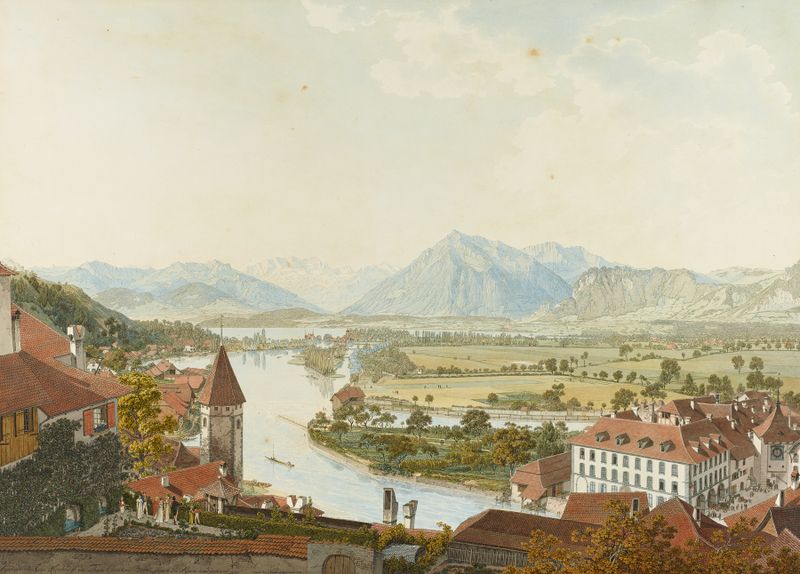
Aussicht von dem Kirchhoff in Thun Canton Bern, gegen die Alpen und den See
Marquard Wocher
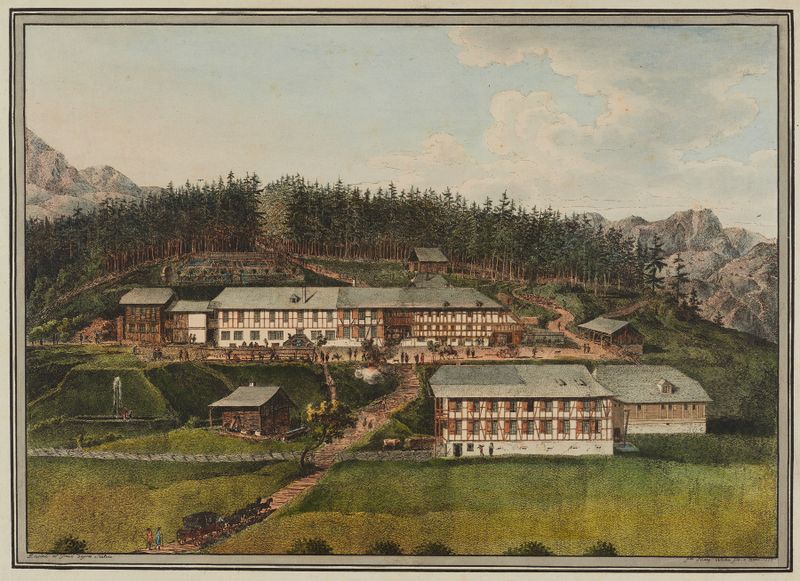
Vüe des Bains du Gourniguel dans le Canton de Berne
Marquard Wocher
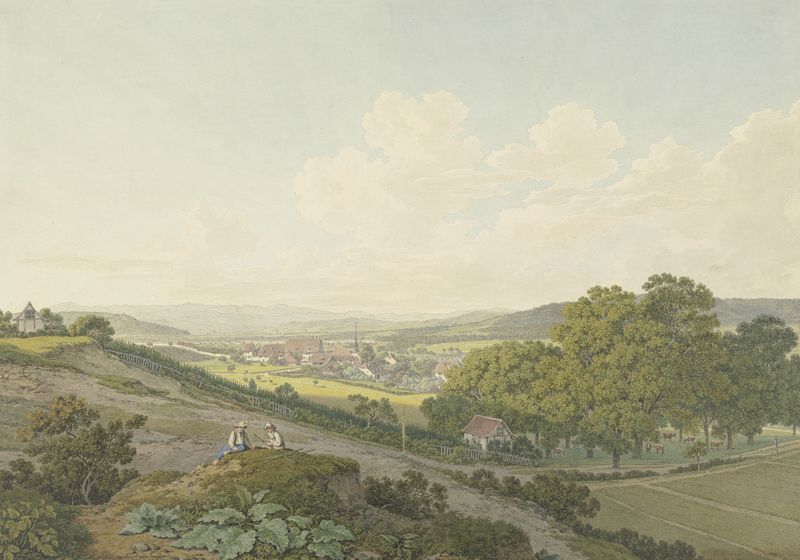
Blick von einer Anhöhe auf das Dorf St. Jakob bei Basel mit spitzem Kirchturm
Marquard Wocher
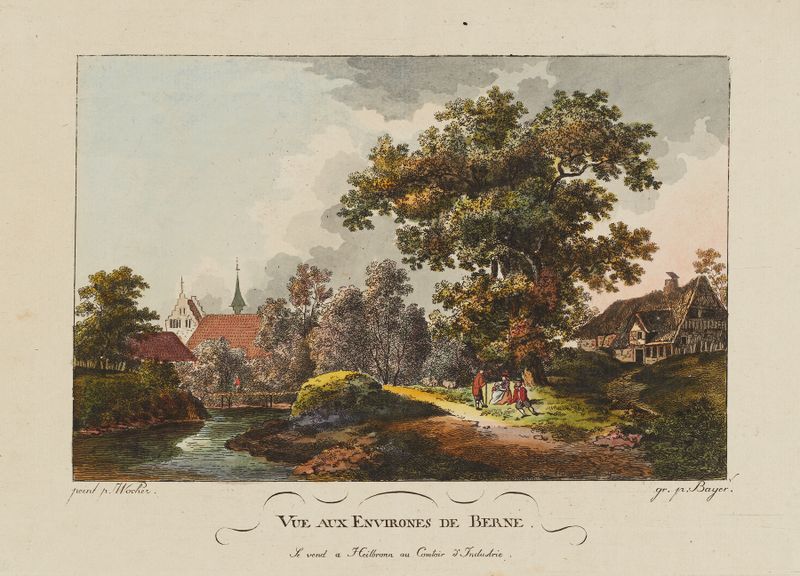
Vue aux Environes de Berne
Marquard Wocher
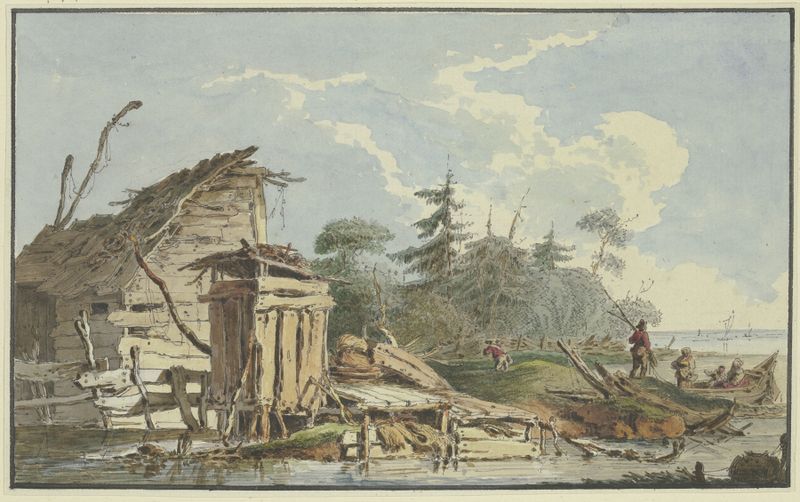
Holzhütten am waldigen Meeresufer, rechts ein Kahn mit einer Familie
Marquard Wocher
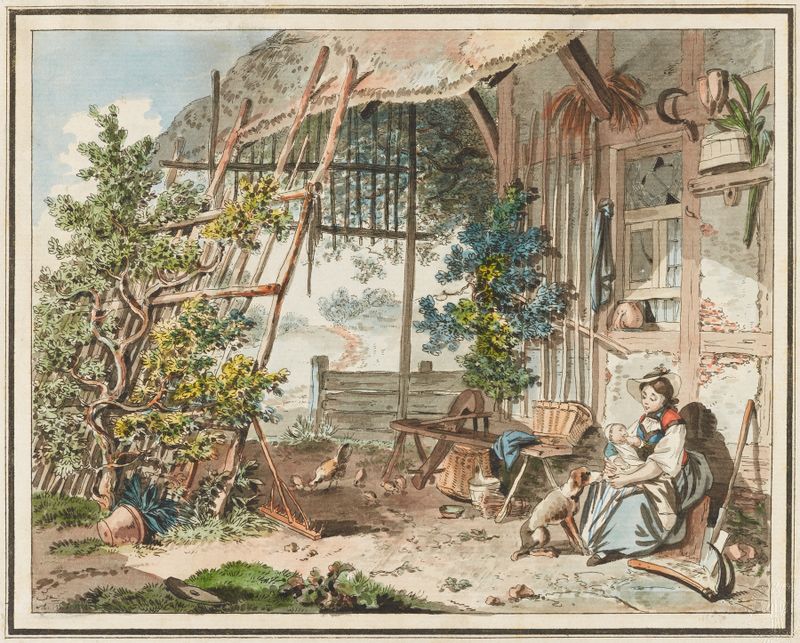
La Bonne Mere
Marquard Wocher
More Architecture Art
Browse all →
The statue of Liberty
Frédéric Auguste Bartholdi

View of Houses in Delft, Known as ‘The Little Street’
Johannes Vermeer

View of Houses in Delft, Known as ‘The Little Street’
Johannes Vermeer

The Cathedral in Rouen. The portal, Grey Weather
Claude Monet

The yellow house
Vincent van Gogh

The Church in Auvers-sur-Oise, View from the Chevet
Vincent van Gogh