
La Bonne Mere — History & Facts
In the depths of silence, faith finds its voice, whispering through every brushstroke and hue, inviting seekers to listen closely. Focus on the gentle curves of the landscape, where the quaint structures nestle against the backdrop of a vast, serene sky. Notice how the soft light bathes the scene, casting an ethereal glow that seems to breathe life into the colors. The palette is infused with earthy tones that evoke a sense of warmth and belonging, inviting the spirit to wander along the winding paths of this tranquil setting.
Each building stands as a testament to tradition and community, offering a glimpse into a world where simplicity reigns. Yet, within this calm composition lies an undercurrent of yearning. The horizon stretches infinitely, hinting at the vastness of the unknown and the faith required to venture beyond the familiar. The delicate interplay of light and shadow mirrors the duality of hope and uncertainty, suggesting that life, much like faith, must be nurtured in the unseen spaces.
Small details, such as the flowers that stubbornly bloom against rugged terrain, signify resilience, echoing the enduring spirit of those who dwell in this realm. In the time La Bonne Mere was conceived, Marquard Wocher was navigating the complexities of his artistic journey, likely around the early 19th century in Switzerland. This period was marked by a burgeoning interest in Romanticism, which sought to capture the sublime beauty of nature and the emotional depths of human experience. Wocher, influenced by the natural world, blended his reverence for the landscape with a deeper exploration of faith and spirituality, capturing a moment that resonates with timeless truth.
More Artworks by Marquard Wocher
Browse all →
Das Stift Maria Einsiedeln, Canton Schwyz
Marquard Wocher
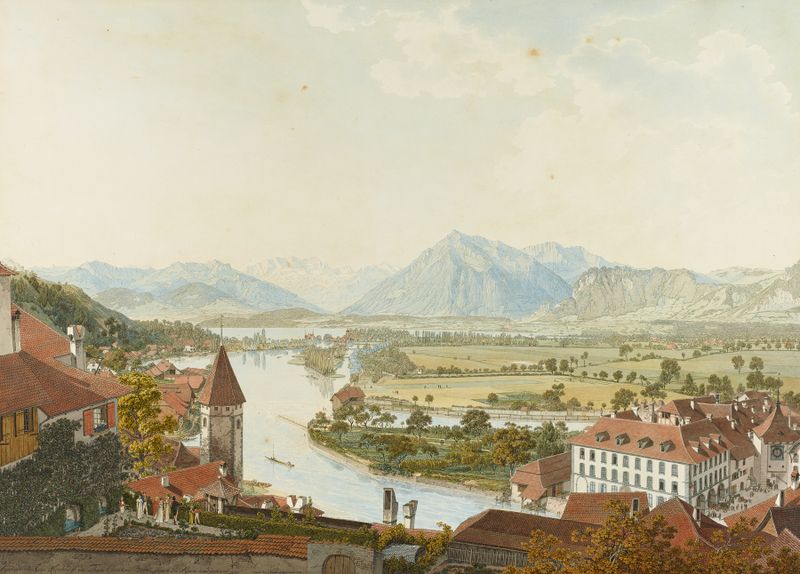
Aussicht von dem Kirchhoff in Thun Canton Bern, gegen die Alpen und den See
Marquard Wocher
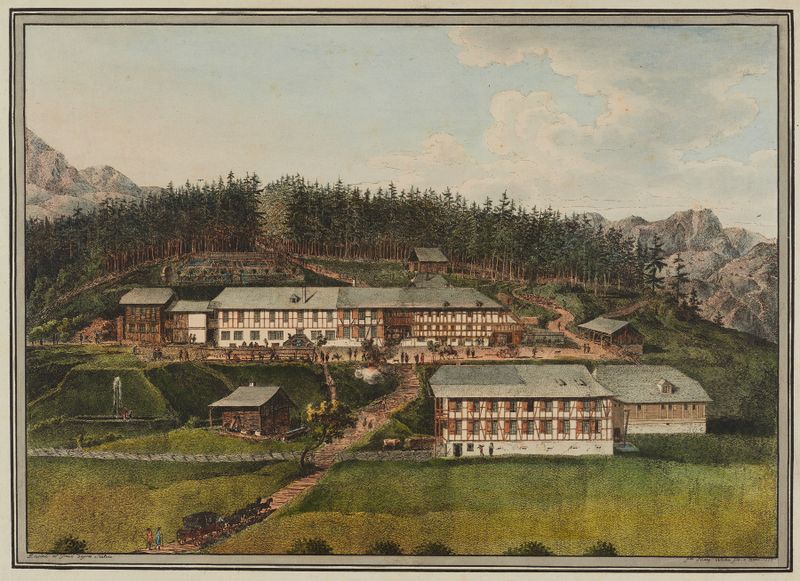
Vüe des Bains du Gourniguel dans le Canton de Berne
Marquard Wocher
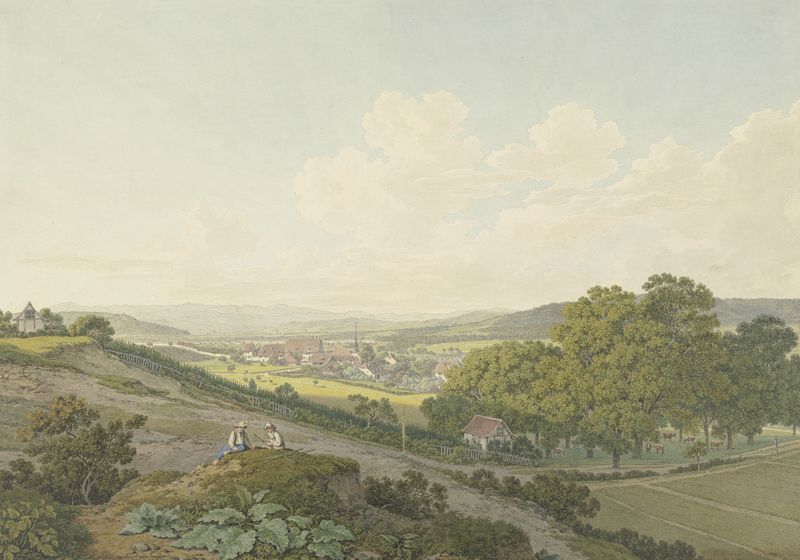
Blick von einer Anhöhe auf das Dorf St. Jakob bei Basel mit spitzem Kirchturm
Marquard Wocher
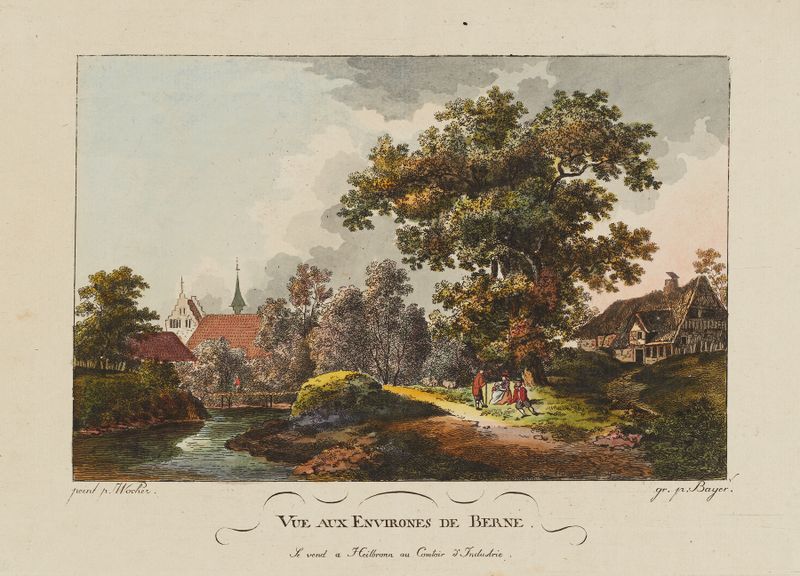
Vue aux Environes de Berne
Marquard Wocher
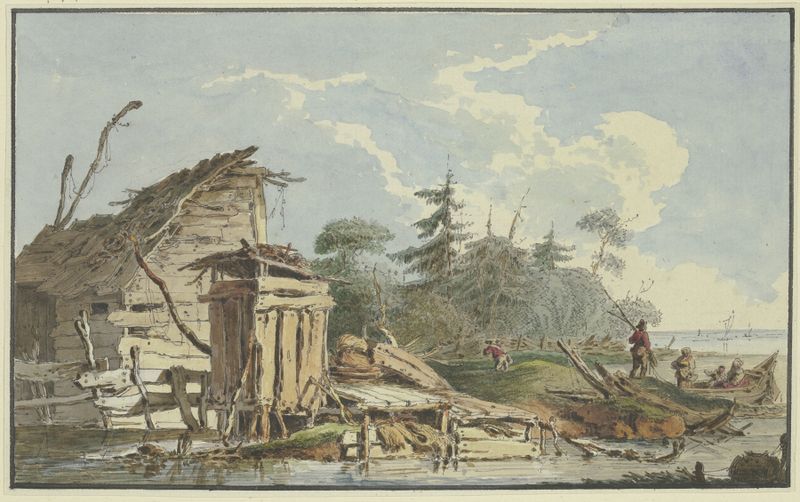
Holzhütten am waldigen Meeresufer, rechts ein Kahn mit einer Familie
Marquard Wocher
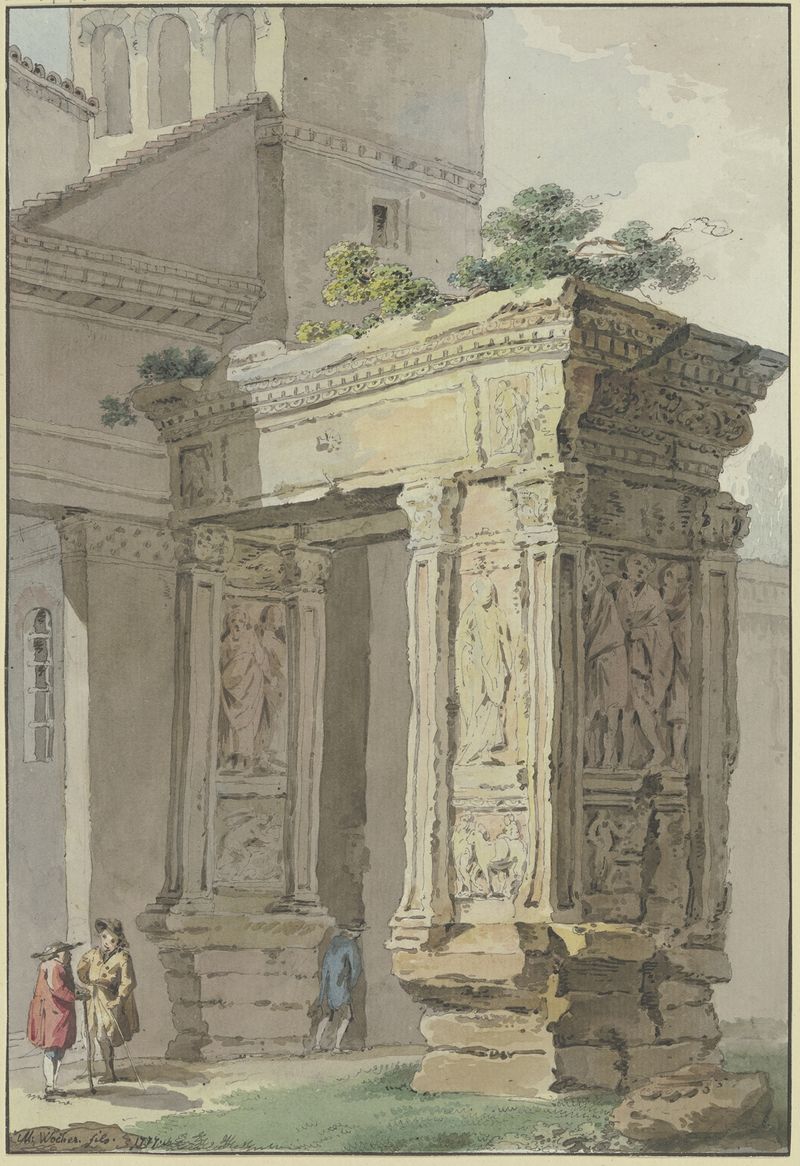
Der Arco degli Argentarii bei San Giorgio in Velabro in Rom
Marquard Wocher





