
Der fliegende Holländer — History & Facts
What secret hides in the quiet of the canvas? Beneath the still surface lies a pulse of yearning, a silent echo of unfulfilled desire that beckons the viewer to delve deeper. Look to the left at the ghostly silhouette of a ship emerging from a veil of mist. The pale hues of blue and gray intertwine, creating an ethereal atmosphere that implies both distance and intimacy. Notice how the wispy tendrils of fog seem to embrace the ship, suggesting a longing for connection amidst isolation.
Each brushstroke dances between the tangible and the elusive, inviting you to explore the tension between presence and absence. As you immerse yourself in the scene, consider the stark contrast between the calm water and the stormy sky, a reflection of inner turmoil and hope. The ship, perhaps a metaphor for unattainable aspirations, sails toward an uncertain fate, embodying the relentless quest for fulfillment that drives both the vessel and its captain. The delicate interplay of light and shadow simmers with emotion, hinting at stories untold and desires unquenched, drawing you into a narrative of longing and mystery. While the exact date is unknown, Der fliegende Holländer was painted during a period when Michael Zeno Diemer was deeply influenced by Romanticism, embracing themes of the sublime and the uncanny.
Working in Germany, Diemer became known for his maritime subjects, often blending realism with an emotional depth that speaks to the human experience. This painting reflects not only his artistic evolution but also the broader cultural context of the late 19th century, wherein dreams of adventure were intricately woven with the shadows of existential contemplation.
More Artworks by Michael Zeno Diemer
Browse all →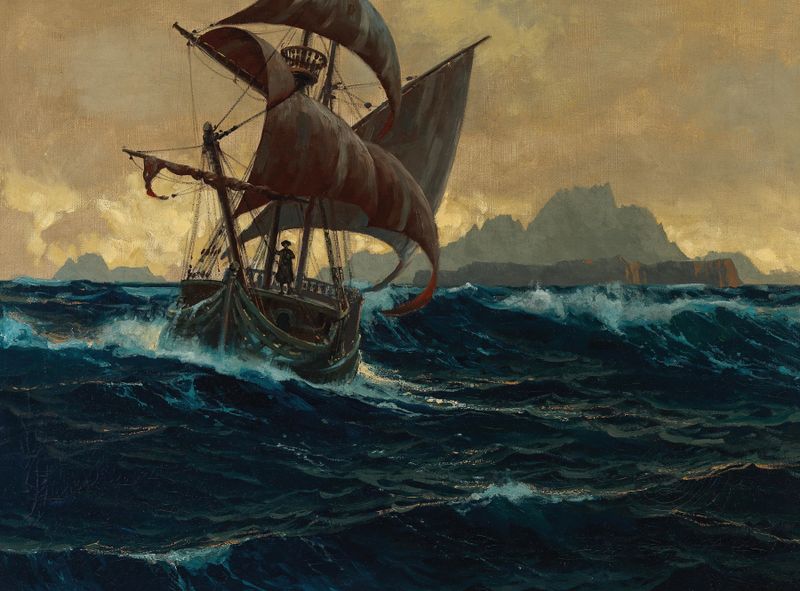
The Flying Dutchman
Michael Zeno Diemer
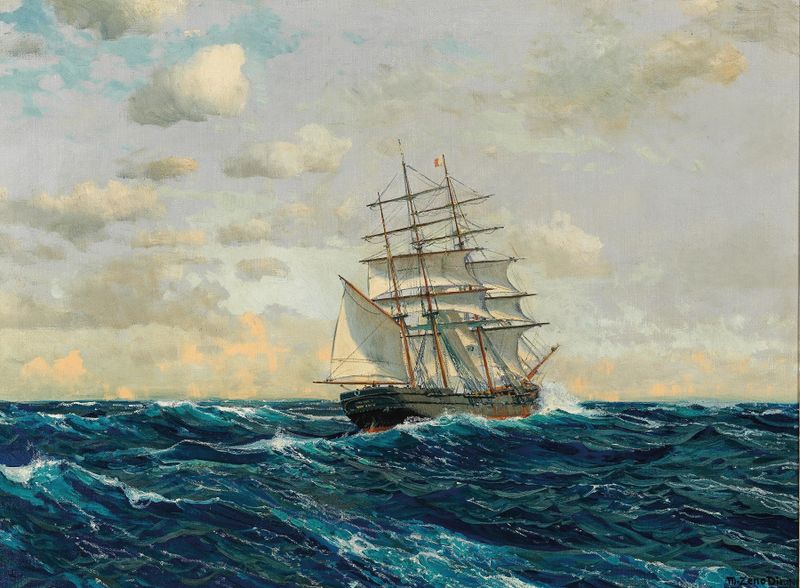
Three-Master on the High Seas
Michael Zeno Diemer
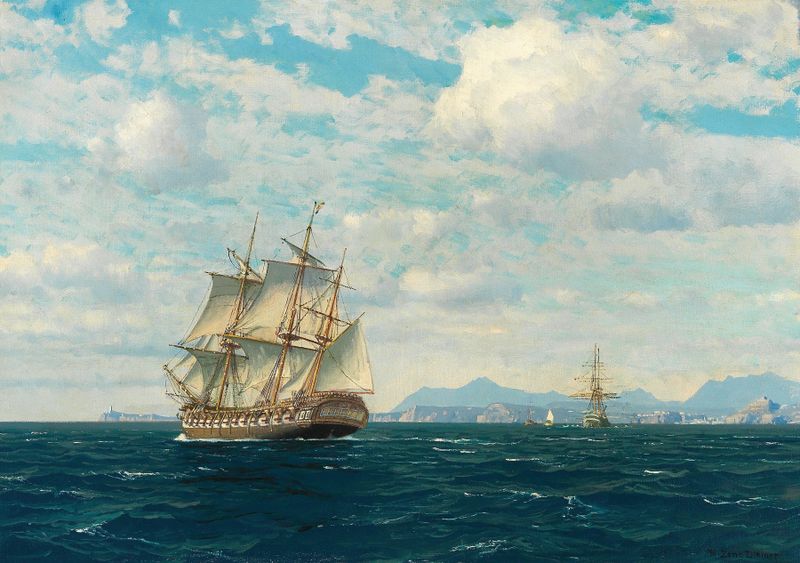
South Africa, View of the Cape of Good Hope
Michael Zeno Diemer
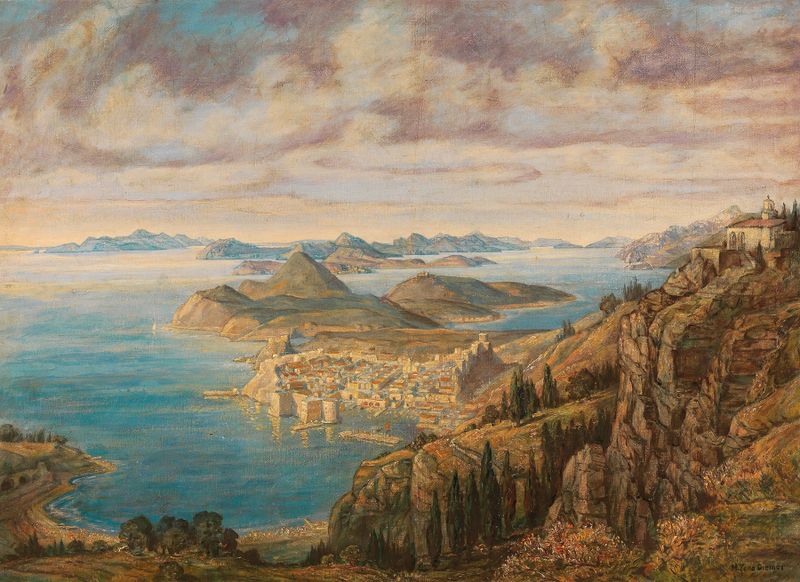
View of Dubrovnik
Michael Zeno Diemer
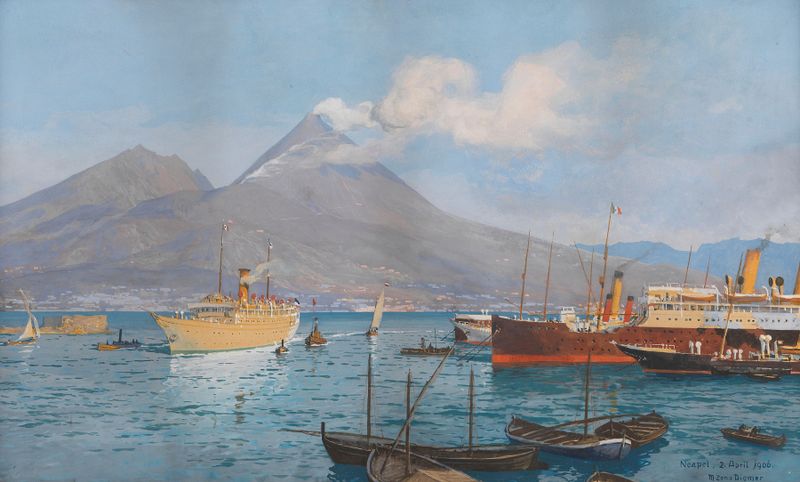
Hapag-Kreuzfahrtschiff ‘Meteor’ im Golf von Neapel
Michael Zeno Diemer
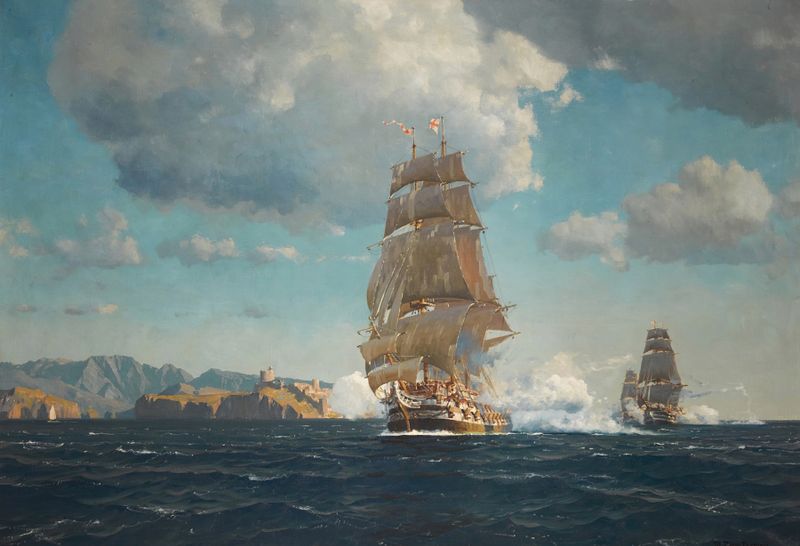
Battle on High Seas
Michael Zeno Diemer
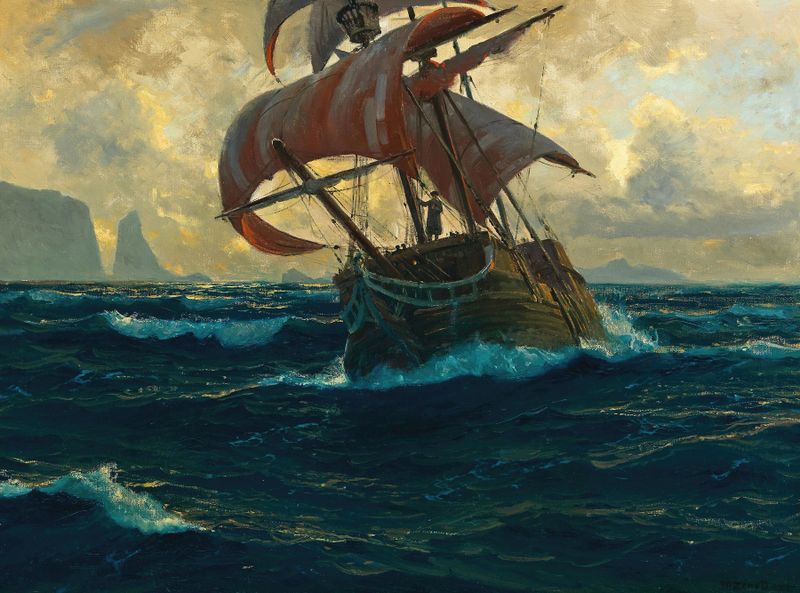
Der fliegende Holländer
Michael Zeno Diemer
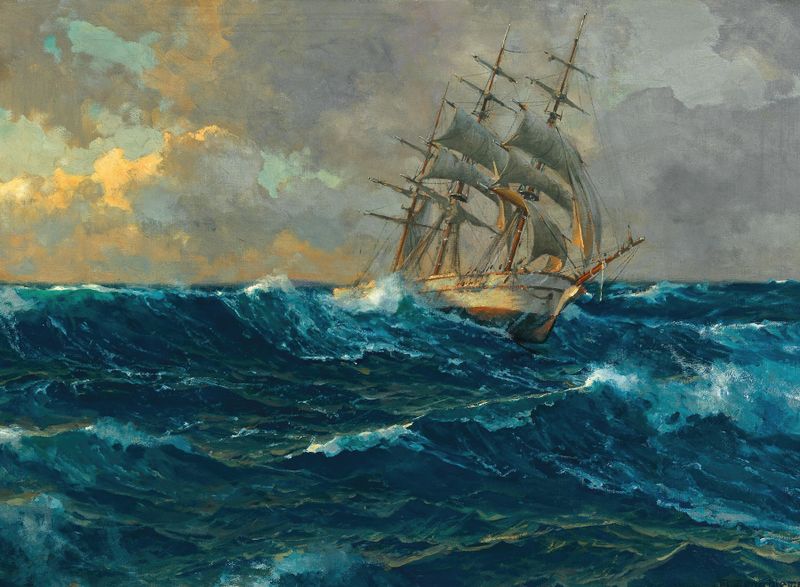
Dreimaster auf hoher See
Michael Zeno Diemer
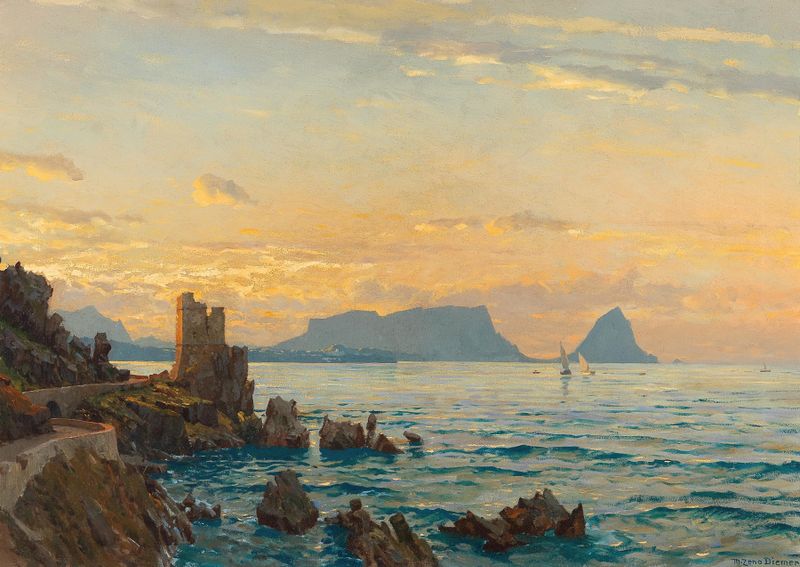
Capo Zafferano in the gulf of Palermo
Michael Zeno Diemer
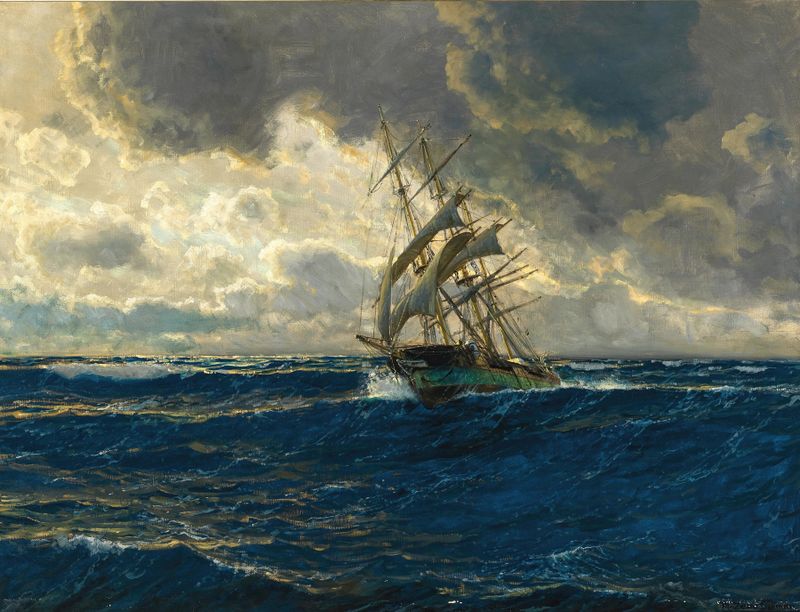
A Three-Master at Sea
Michael Zeno Diemer





