
Der Golf von Neapel mit Szenen aus dem Volksleben — History & Facts
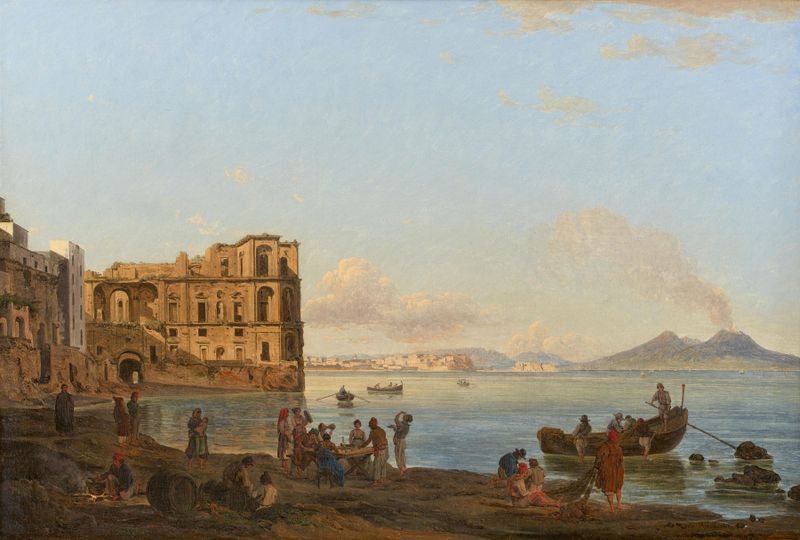
When did color learn to lie? In the vibrant hues of a sun-soaked bay, the serenity of a landscape often conceals the isolation that lingers beneath its surface. The lush greens and azure blues invite the viewer in, yet a deeper examination reveals an emotional landscape fraught with longing. Focus on the gentle curve of the coastline to the right, where the sun casts its golden light across the water, illuminating the fishermen's boats dotting the horizon. Notice how Rebell uses a masterful blend of colors—rich ochres juxtaposed with deep indigos—to create a harmonious yet melancholic atmosphere.
The placid sea reflects not just the vivid sky but also the fragile dreams of the figures depicted, emphasizing their connection to both nature and their isolation within it. Delve deeper into the fishing scene at the foreground, where the fishermen's weary expressions contrast sharply with the idyllic surroundings. Each gesture seems imbued with a sense of purpose yet hints at the burden of solitude. The distant mountains loom like silent witnesses, their majesty underscoring the vulnerability of those who toil beneath them.
Here, the radiant colors serve as a façade, masking the unvoiced sorrows of everyday life amid the allure of beauty. In 1815, Joseph Rebell created this work during a period of significant shifts in the art world, grappling with Romantic ideals that celebrated nature and individual emotion. Living in Naples, he was surrounded by a vibrant artistic community yet faced the personal struggle of finding his distinct voice. This piece reflects both his technical prowess and the poignant exploration of human experience within the breathtaking landscapes of his homeland.
More Artworks by Joseph Rebell
Browse all →
Italienische Landschaft
Joseph Rebell

Paesaggio Notturno Con Astanti In Una Grotta Mediterranea
Joseph Rebell

Vesuvausbruch bei Nacht mit Blick auf die Scuola di Virgilio
Joseph Rebell
Meeressturm beim Arco di Miseno bei Miliscola mit Blick gegen Nisida
Joseph Rebell
Schloss Persenbeug
Joseph Rebell
Die Bucht von Neapel mit dem Palazzo Donna Anna
Joseph Rebell
An der Mergellina bei Neapel
Joseph Rebell
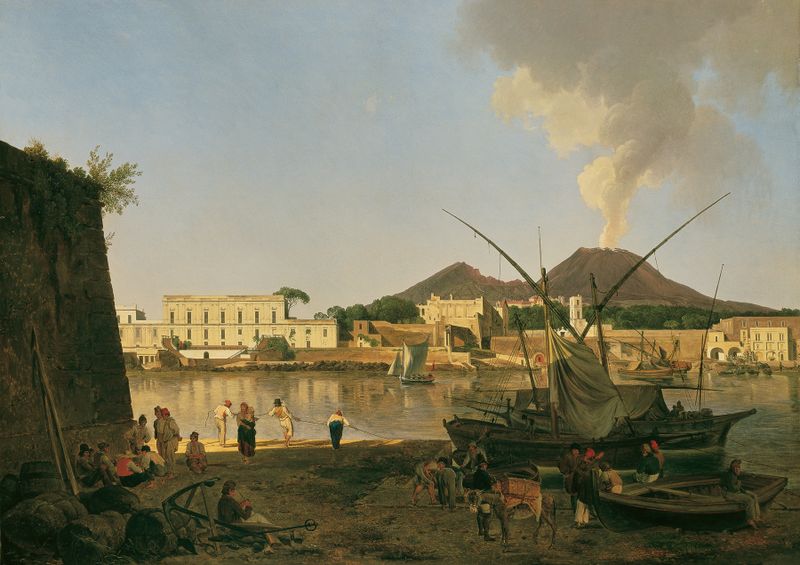
Der Hafen Granatella bei Portici mit dem Vesuv im Hintergrund
Joseph Rebell
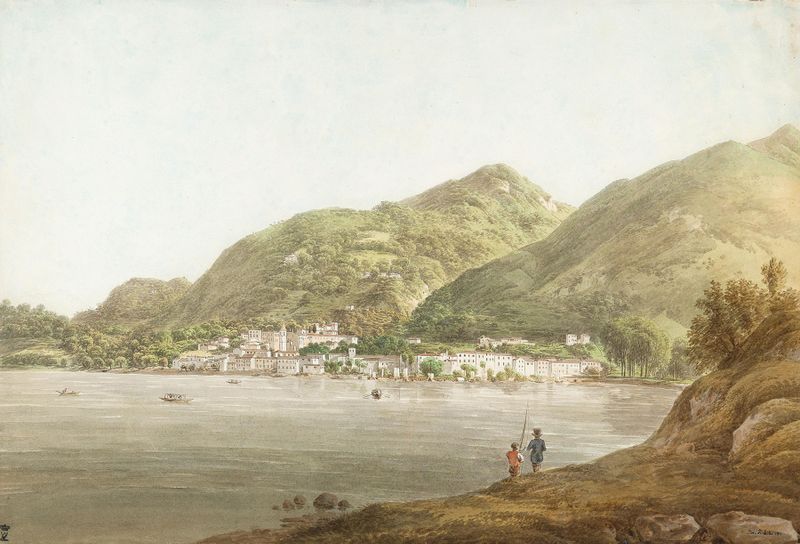
Lavano at the Lago Maggiore
Joseph Rebell
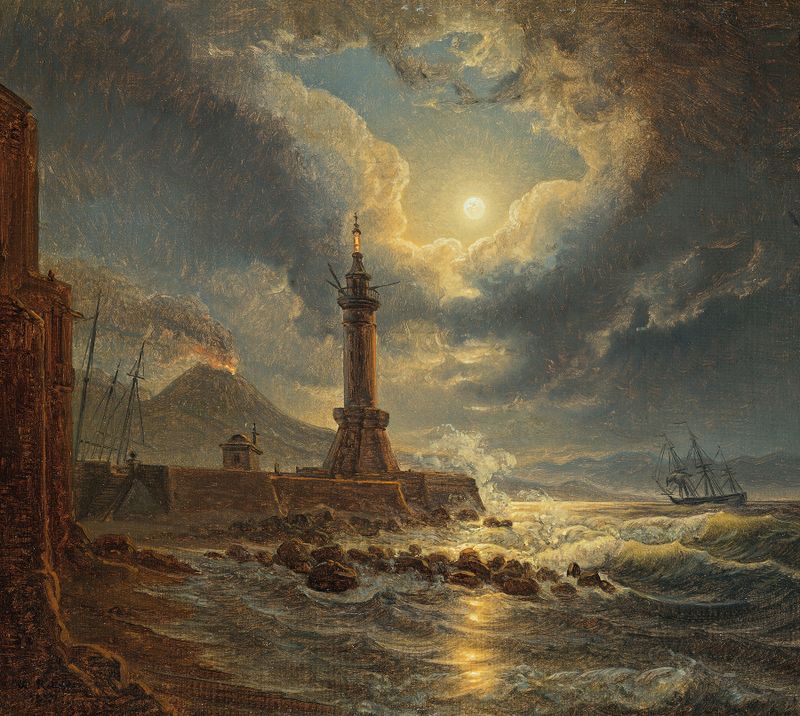
Leuchtturm im Hafen von Neapel bei Mondschein
Joseph Rebell





