
Der Stubaiferner in Tirol — History & Facts
Can beauty exist without sorrow? In Der Stubaiferner in Tirol, the landscape speaks of majestic peaks wrapped in a soft embrace of cloud, yet the vastness hints at an emotional void that lingers just beneath the surface. Look to the center, where the formidable glacier rises, its icy blue and white hues stark against the surrounding earthy browns and greens. Notice how the light delicately glistens off the surface, creating a sense of movement and life in an otherwise still tableau. The composition draws the eye upward, almost compelling you to revel in the grandeur while also inviting reflection on the weight of nature's silence. In this work, the contrast between the delicate beauty of the glacier and the dark, looming mountains creates a tension that feels deeply resonant.
The interplay of light and shadow evokes a fleeting moment, as if the landscape holds its breath, suspended between tranquility and potential turmoil. Here, the void of emotional connection resonates, suggesting an invisible force that both captivates and unnerves. Anton Hansch painted this piece in 1875 while living in Tyrol, a time when the Romantic movement was at its peak, celebrating the sublime power of nature. The alpine setting reflects both his personal affinity for the mountains and the growing interest in capturing landscape as a means of exploration and introspection in the art world.
This painting exists as a testament to a moment when beauty and melancholy intertwined, shaping the trajectory of his artistic journey.
More Artworks by Anton Hansch
Browse all →
Eiger Mönch Jungfrau
Anton Hansch

Partie vom Hintersee mit Mühlsturzhorn (Bayern)
Anton Hansch

Blick Auf Den Gardasee (Lake Garda)
Anton Hansch

A Mountain Landscape With A Smithy
Anton Hansch

A Mountain Torrent
Anton Hansch
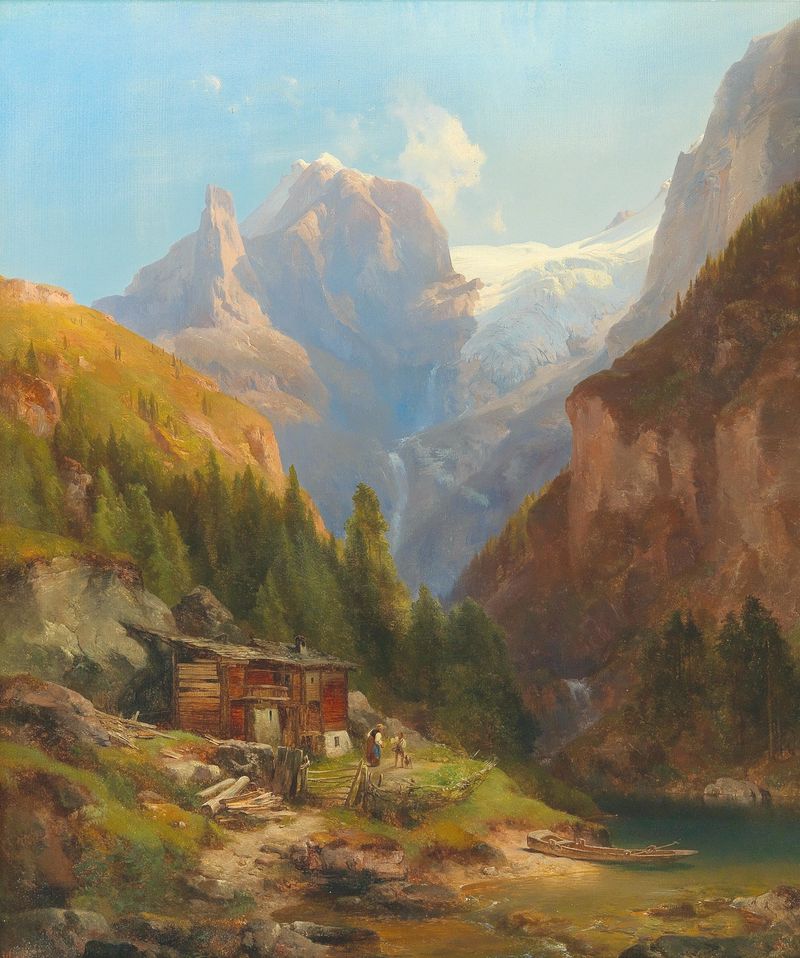
Blick Auf Den Goldeck Kees
Anton Hansch

Der Großglockner
Anton Hansch

A View of the Gurgler Eissee in the Ötztal Alps, Tyrol
Anton Hansch
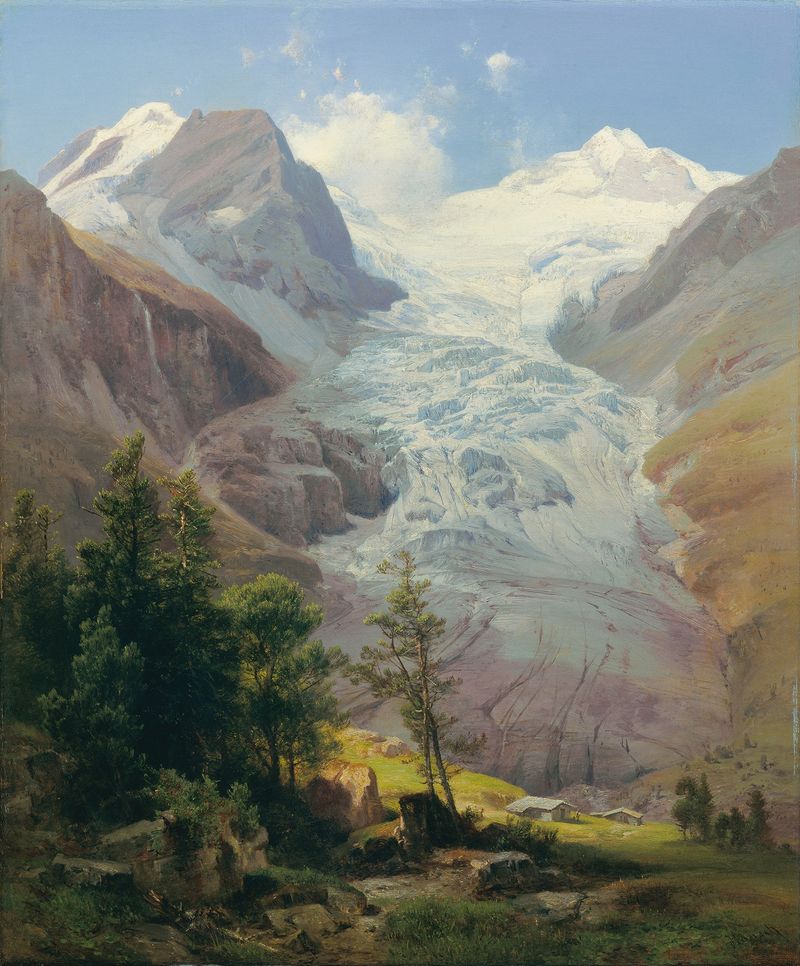
Der Palügletscher
Anton Hansch
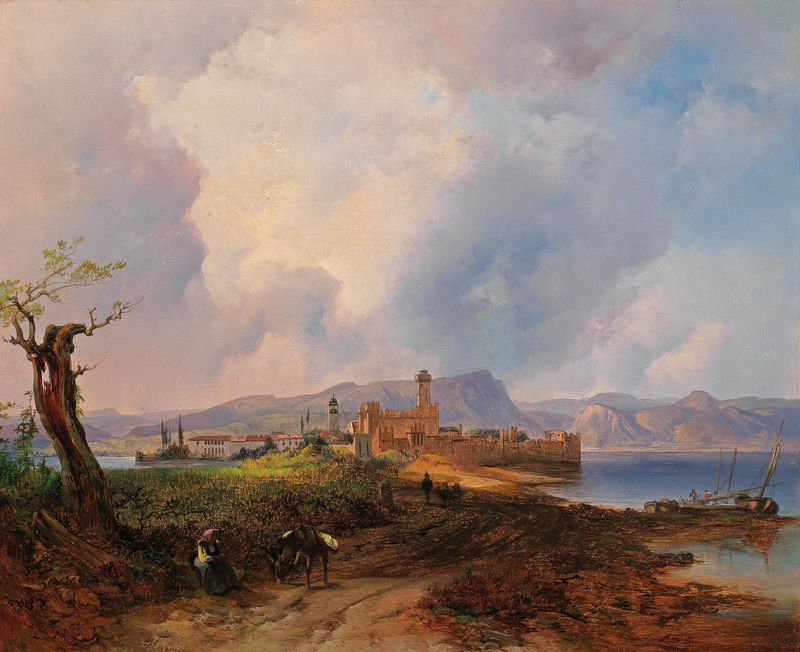
Sirmione
Anton Hansch





