
Der Waldhügel — History & Facts
In the stillness of nature, the essence of rebirth reverberates through the canvas, inviting contemplation and connection to the cycle of life. Look to the left at the vibrant greenery that bursts forth, a celebration of vitality interwoven with the earth. The layers of rich, verdant hues are skillfully juxtaposed against the soft, muted browns of the forest floor, while gentle strokes create an alluring texture that beckons the viewer closer. Notice how the light filters through the canopy, casting ethereal shadows that dance across the foliage, enhancing the sense of depth and life within the scene.
This careful interplay of colors and textures is a hallmark of the artist’s style, drawing the viewer into a realm where nature breathes and whispers. Within this forested landscape lies a deeper narrative—the tension between life and decay. The growth of the underbrush suggests a persistent resilience, while the subtle decay hinted at in the shadows reveals the transient nature of existence. Each detail, from the delicate branches to the scattered leaves, tells a story of renewal, inviting reflection on the inevitability of change and the beauty that emerges from it.
This dynamic relationship between light and dark encapsulates the emotional complexity of rebirth, urging us to find hope amid the cycles of life. At the time Der Waldhügel was created, Anton Hansch was immersed in the artistic dialogues of his era, reflecting nature's beauty through a lens of realism. Though the exact date of this work remains unknown, his dedication to portraying the intricacies of landscapes marked a significant moment in the late 19th century, a time rife with exploration of the natural world in art. Amidst a changing Europe, his work captured the essence of renewal, echoing the burgeoning interest in environmental awareness and the intrinsic connection between humanity and nature.
More Artworks by Anton Hansch
Browse all →
Eiger Mönch Jungfrau
Anton Hansch

Partie vom Hintersee mit Mühlsturzhorn (Bayern)
Anton Hansch

Blick Auf Den Gardasee (Lake Garda)
Anton Hansch

A Mountain Landscape With A Smithy
Anton Hansch

A Mountain Torrent
Anton Hansch
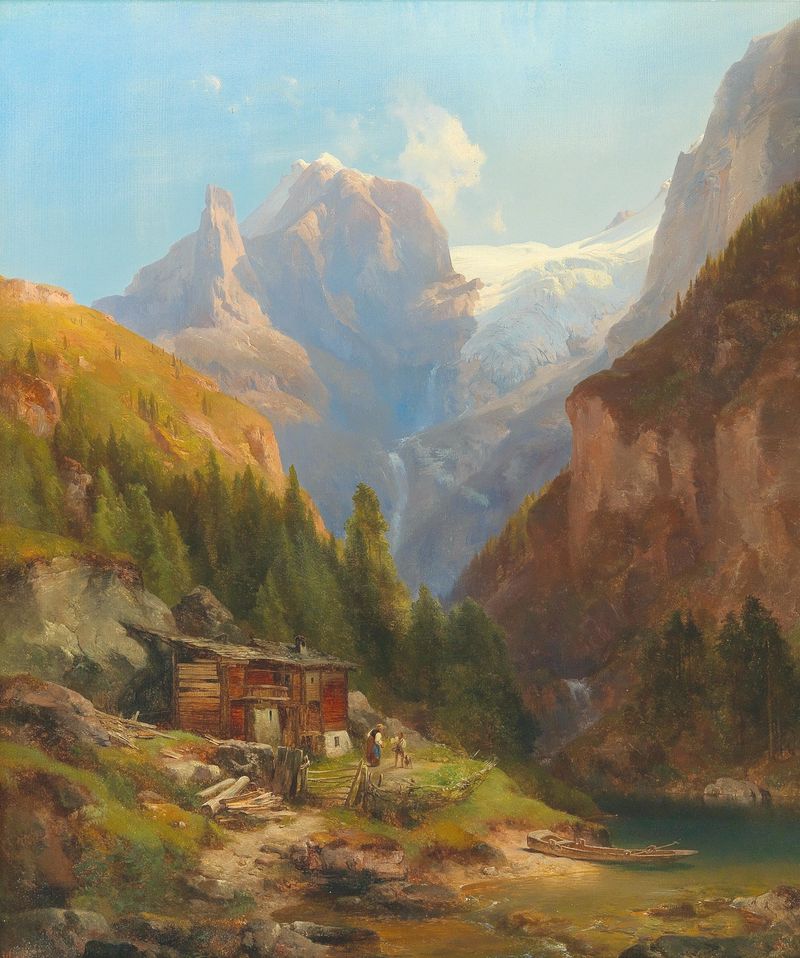
Blick Auf Den Goldeck Kees
Anton Hansch

Der Großglockner
Anton Hansch

A View of the Gurgler Eissee in the Ötztal Alps, Tyrol
Anton Hansch
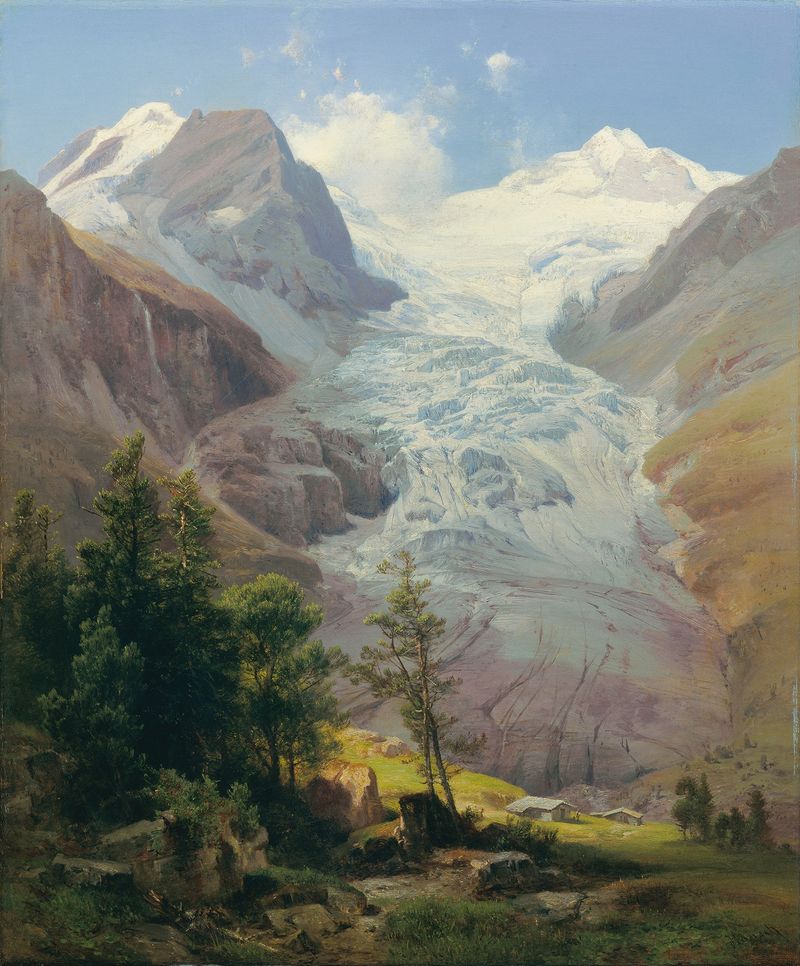
Der Palügletscher
Anton Hansch
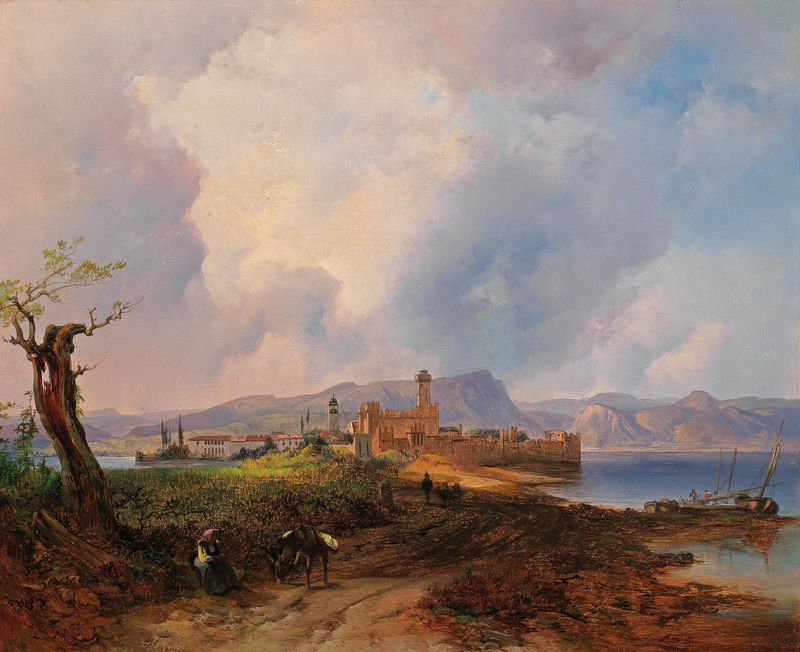
Sirmione
Anton Hansch





