
Die Dents Blanches — History & Facts
Can beauty exist without sorrow? In Die Dents Blanches, the radiant hues of the landscape evoke a profound dialogue between light and shadow, encapsulating the essence of both joy and melancholy. Look to the center of the canvas, where the brilliant white peaks of the mountains rise majestically against the richly colored sky. The gentle gradients of blues and violets surround them, creating a striking contrast that draws the viewer's gaze upward. The artist's use of color is intentional, highlighting the interplay between the serene beauty of nature and the underlying sense of isolation that pervades the scene.
Each brushstroke seems deliberate, as if crafting a narrative that extends beyond mere representation. Delve deeper into the subtleties of the landscape—the way the light dances across the surface, illuminating some areas while casting others in shadow. This duality suggests a deeper emotional tension; the peaks, while breathtakingly beautiful, can also symbolize the distance and separation one feels from peace and happiness. The colors may evoke a serene vista, yet they are laced with an awareness of life’s transient beauty, hinting at both aspiration and longing. Ferdinand Hodler painted Die Dents Blanches in 1916 during a tumultuous period marked by World War I, which profoundly influenced his work.
Living in Switzerland, a country untouched by the war, he sought solace in the landscapes surrounding him. The piece reflects his inner conflicts and the broader existential questions of the time, bridging personal and universal struggles through a visual language that resonates with viewers even today.
More Artworks by Ferdinand Hodler
Browse all →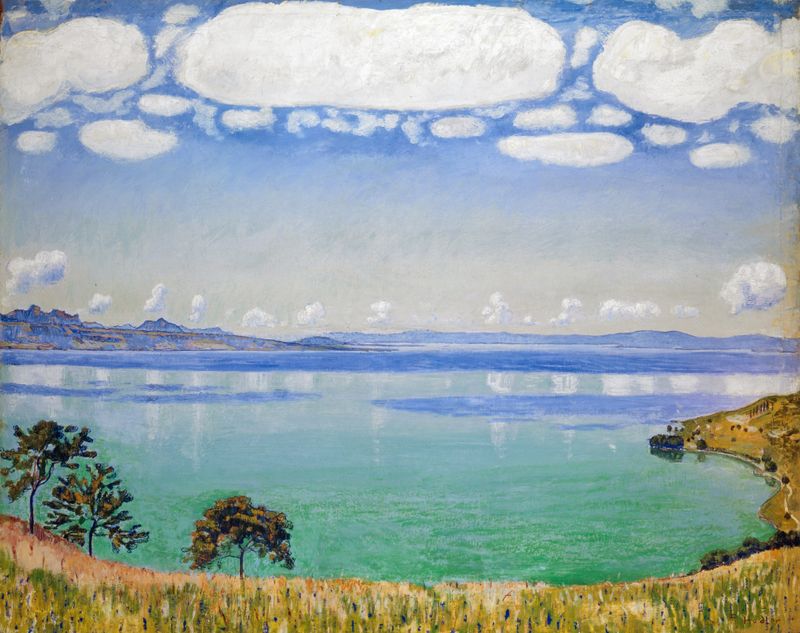
Lake Geneva From Chexbres
Ferdinand Hodler
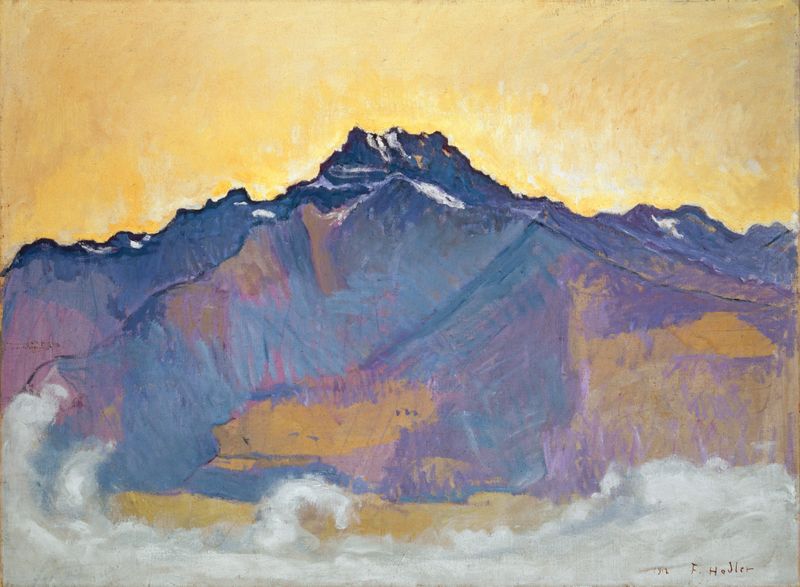
The Dents Du Midi Seen From Chesières
Ferdinand Hodler
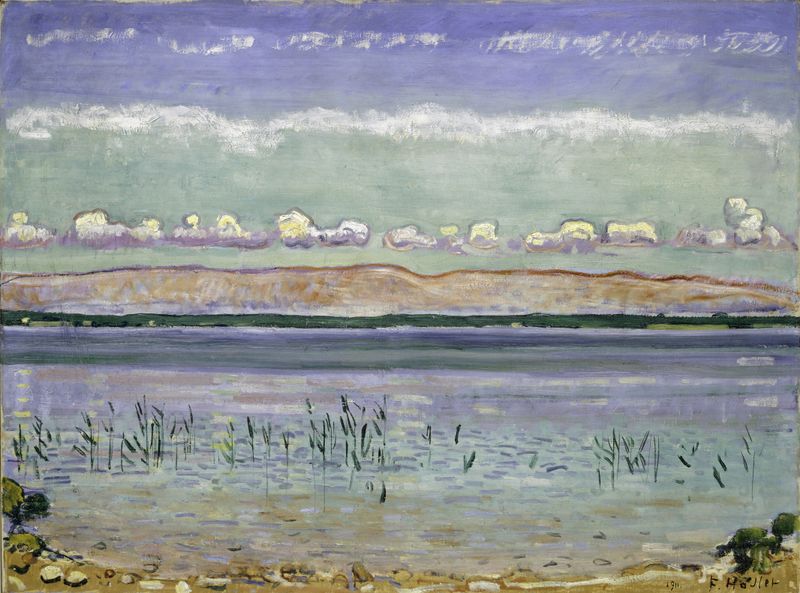
Lake Geneva With Jura Hills
Ferdinand Hodler
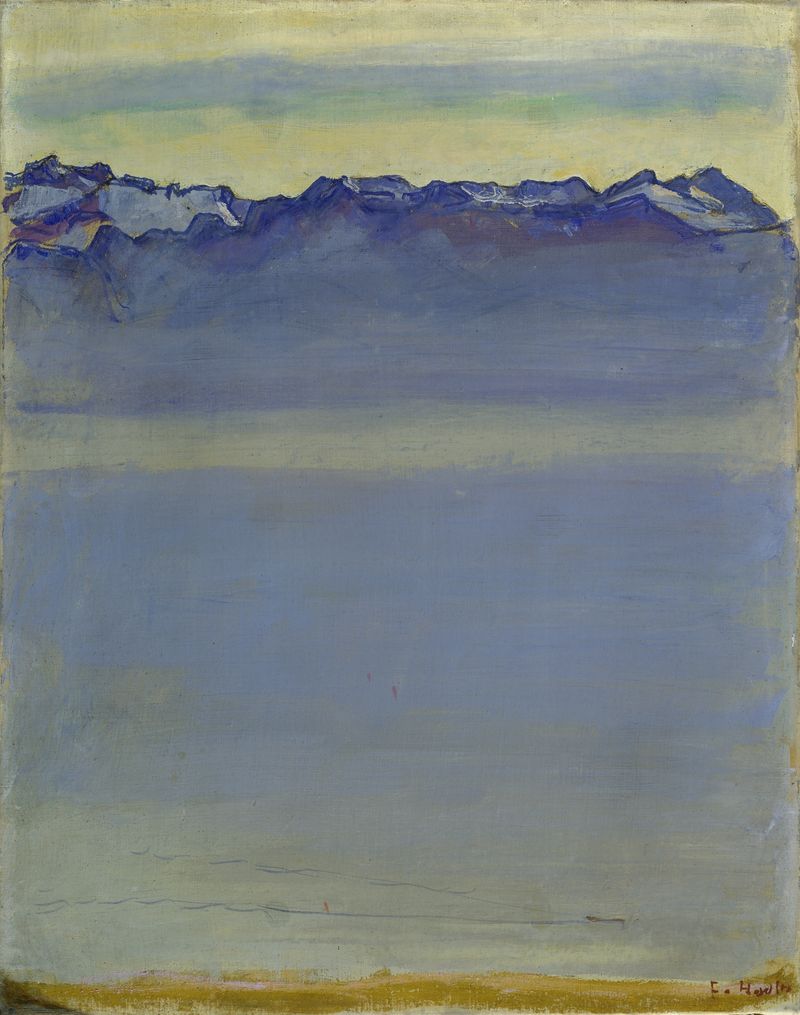
Lake Geneva with the Savoy Alps
Ferdinand Hodler
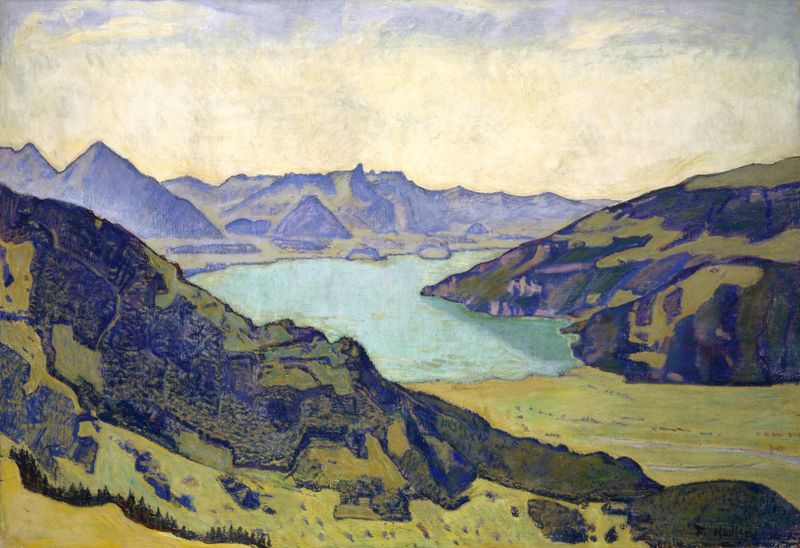
Lake Thun From Breitlauenen
Ferdinand Hodler
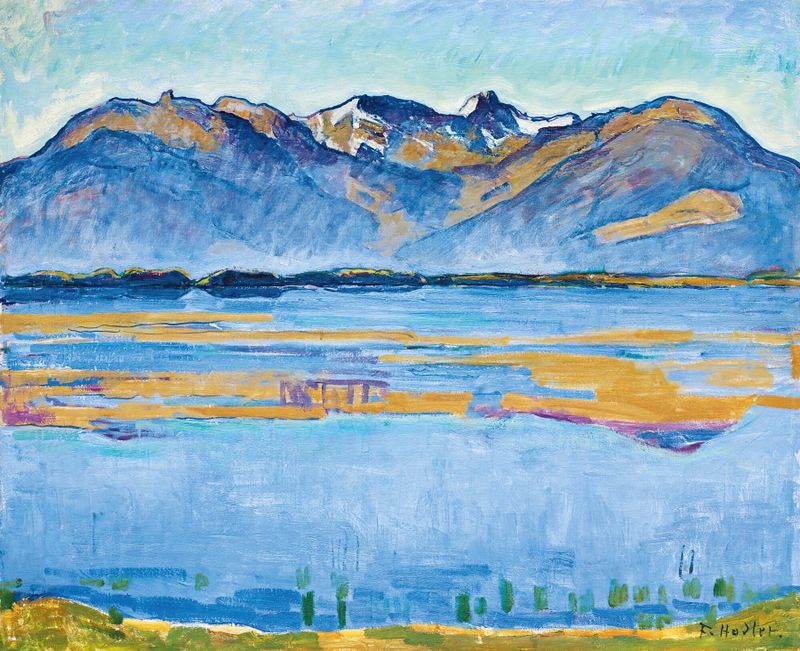
Montana Landscape With Becs De Bosson And Vallon De Réchy
Ferdinand Hodler
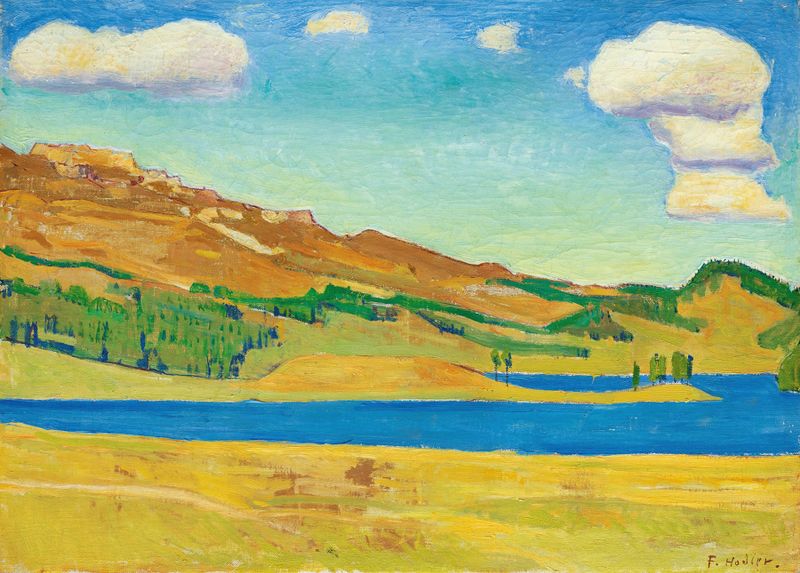
Lake Champfèr
Ferdinand Hodler

James Vibert, Sculptor
Ferdinand Hodler
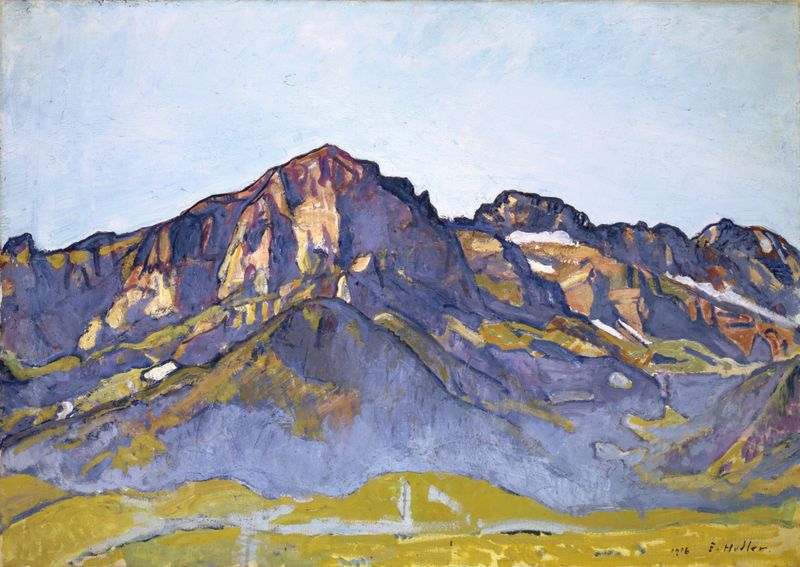
The Dents Blanches At Champéry In The Morning Sun
Ferdinand Hodler

Day (Truth)
Ferdinand Hodler





