
Die Klausen in Mödling — History & Facts
In Die Klausen in Mödling, the interplay of light and shadow reveals a deeper truth about the human experience, where beauty and mortality intertwine like whispers in the wind. Look to the left at the mountainous backdrop, where lofty peaks rise sharply against a soft, muted sky. The textured brushwork brings the rocky surfaces to life, while the dappled sunlight creates a dynamic play of highlights and shadows across the landscape. Notice how the vibrant greens of the valley below contrast with the muted earth tones of the rocky cliffs, guiding your eye to the quaint structures nestled within the natural embrace—evidence of human endeavor in a world dominated by nature's grandeur. In this artwork, the serene scene conceals a profound tension between the transient nature of life and the enduring beauty of the landscape.
The presence of the structures, small and almost fragile against the overwhelming mountains, speaks to human mortality and the impermanence of our creations. Moreover, the mist that clings to the valleys suggests a fleeting moment, evoking a sense of nostalgia and reflection, as if the artist captured a breath between life and death, beauty and decay. Elias Pieter van Bommel painted this piece in 1888, during a period of artistic exploration in Europe, marked by a shift towards impressionism. At that time, he was deeply engaged with the landscapes of Austria, capturing their essence while grappling with personal challenges.
This work reflects not only his technical prowess but also an artistic sensitivity to the ephemeral nature of existence, resonating with broader themes prevalent in the art world of his era.
More Artworks by Elias Pieter van Bommel
Browse all →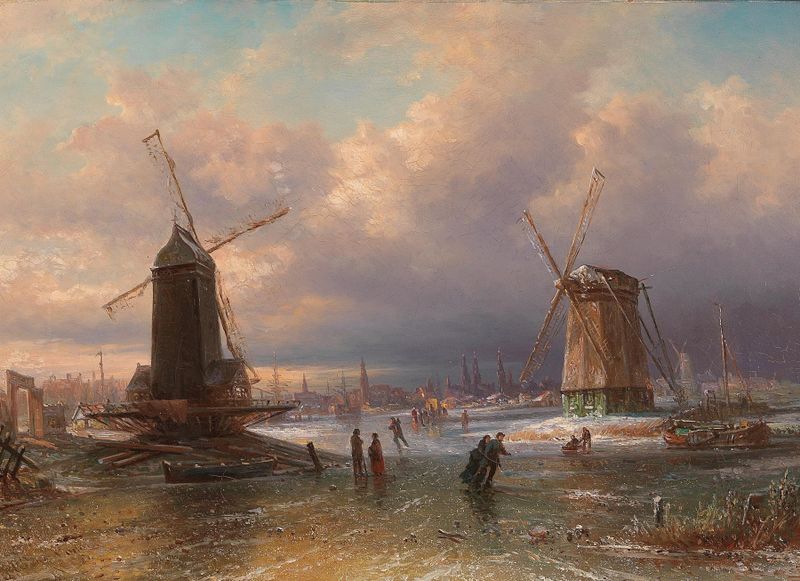
Winter Pleasures on the Ice outside a Dutch Town
Elias Pieter van Bommel
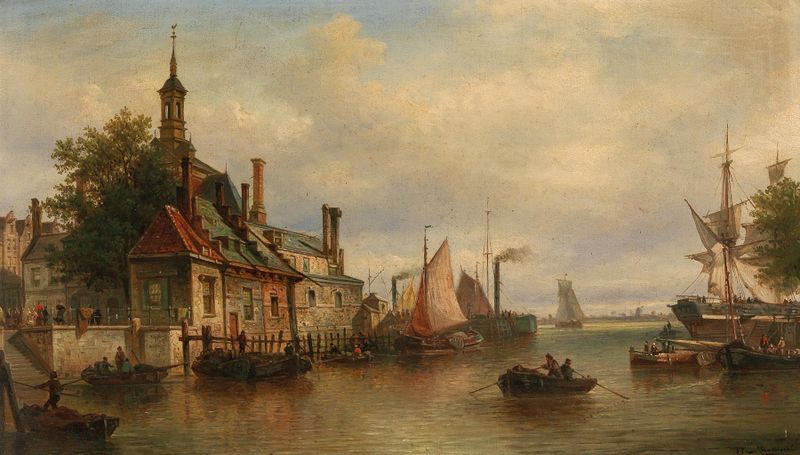
The Old Hanse Gate on the Maas in Rotterdam
Elias Pieter van Bommel

The Singel and Brouwersgracht, Amsterdam
Elias Pieter van Bommel

View from the Nieuwengracht in Amsterdam
Elias Pieter van Bommel
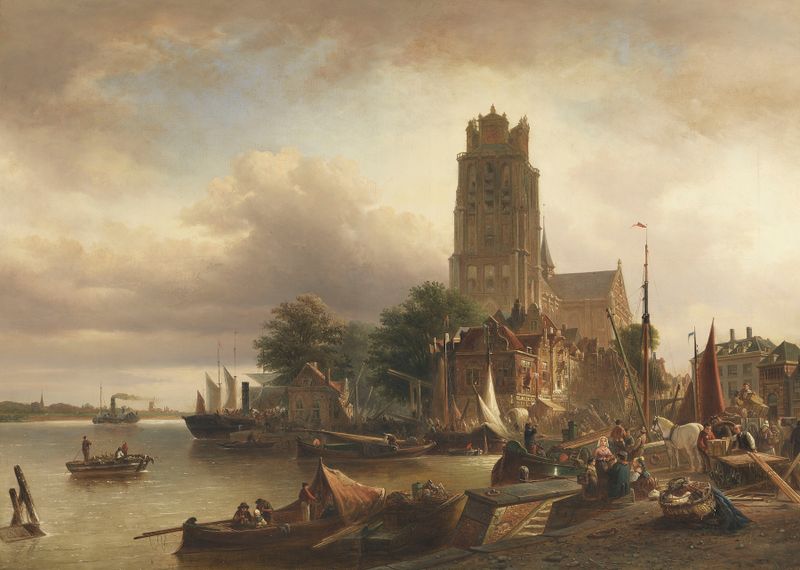
Ansicht von Dordrecht mit der Grote Kerk
Elias Pieter van Bommel
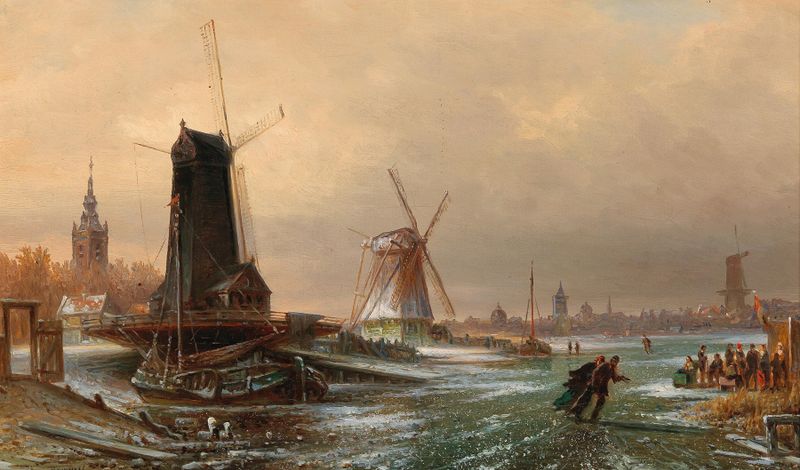
Dutch Sawmill, Water Mill and Flour Mill, near Amsterdam
Elias Pieter van Bommel
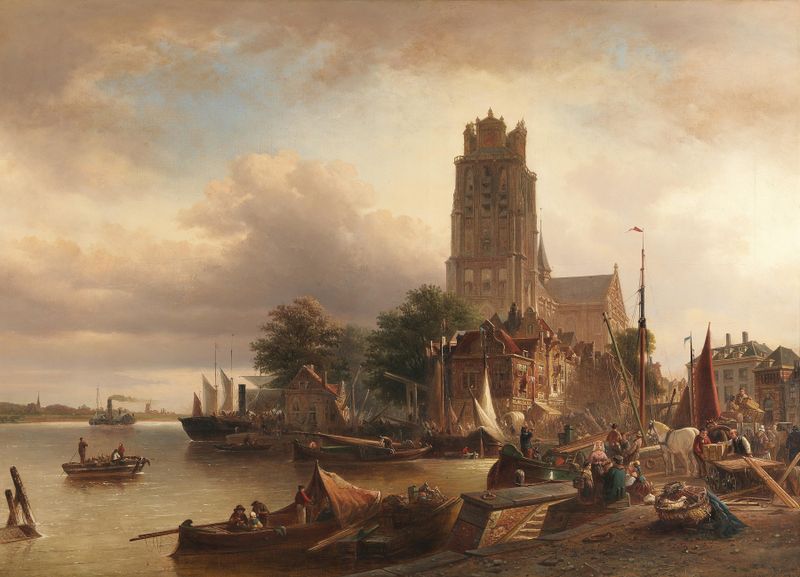
Dordrecht
Elias Pieter van Bommel

Motif Of Dordrecht
Elias Pieter van Bommel

A Winter View of the City of Dordrecht
Elias Pieter van Bommel
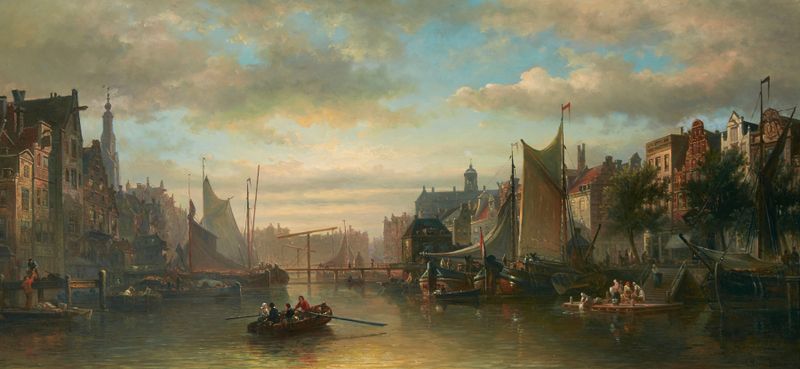
A view of Amsterdam
Elias Pieter van Bommel





