Die Ringstraße in Wien — History & Facts
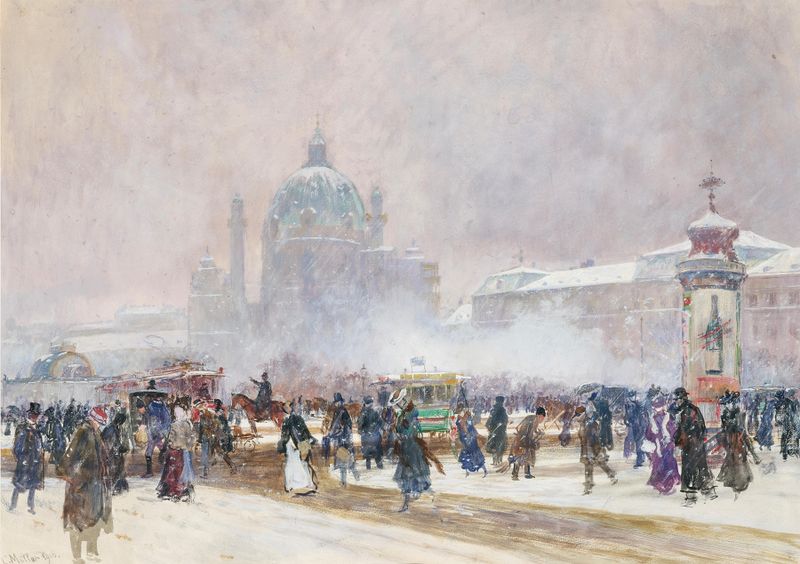
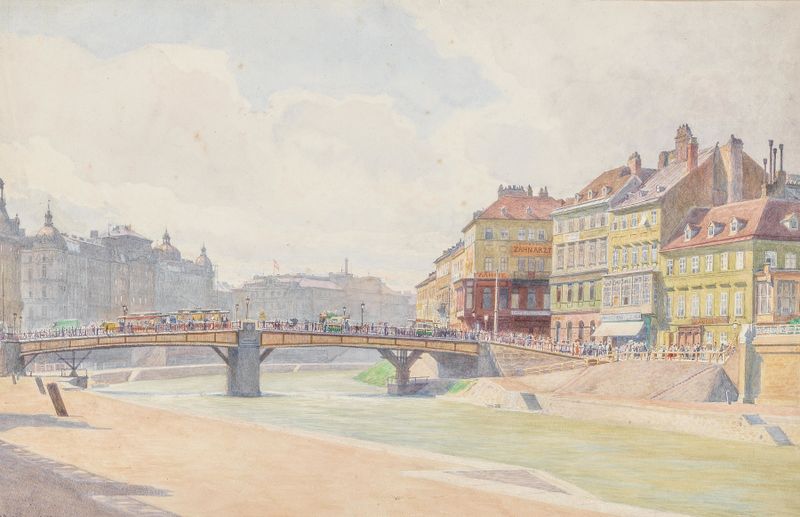
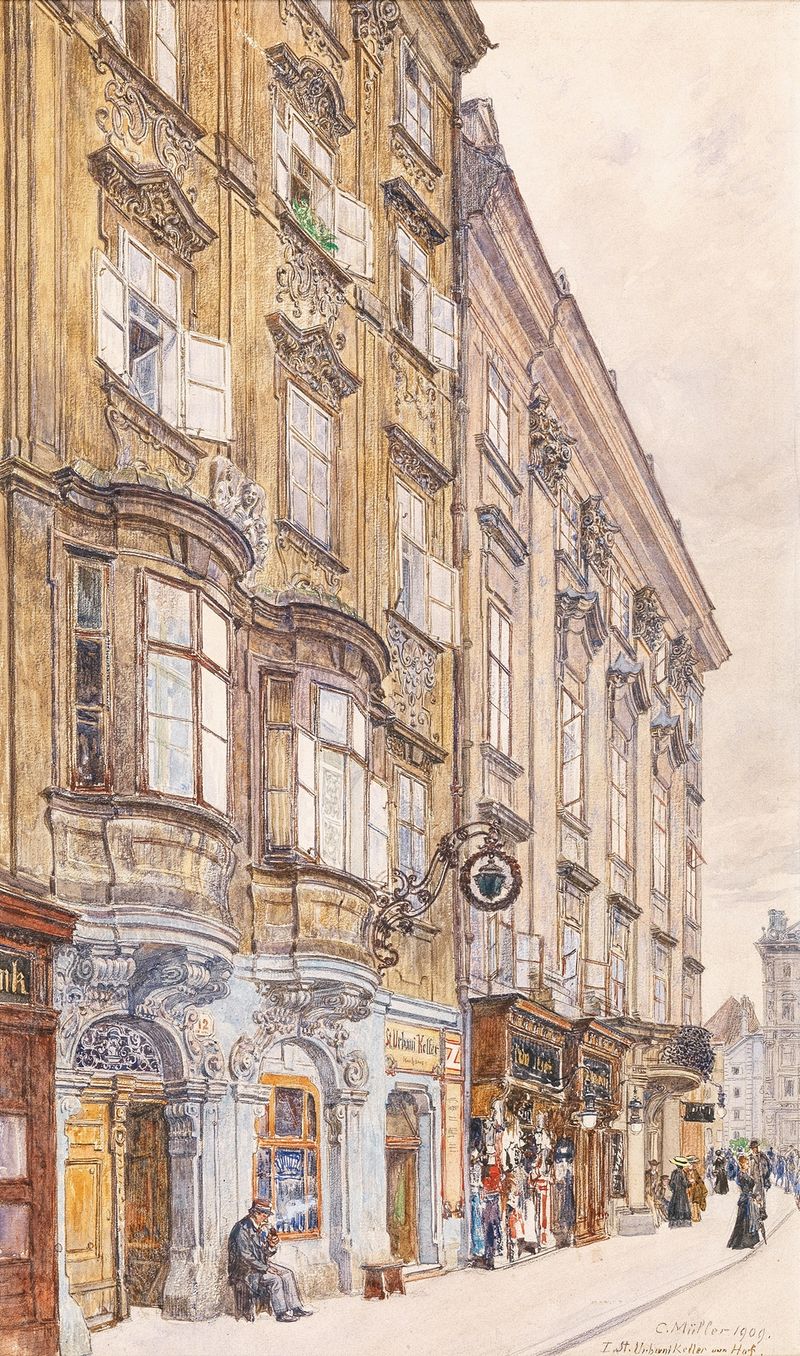
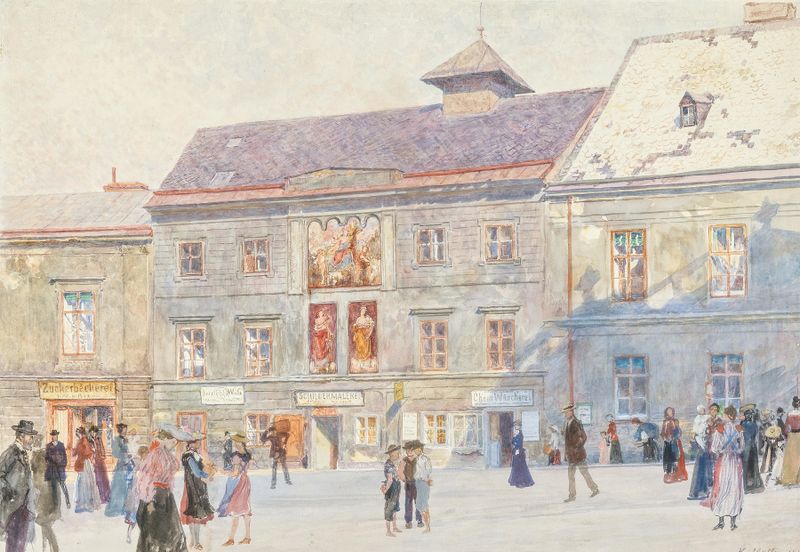
Such is the essence captured in every brushstroke of this urban landscape, where the past and present collide through vibrant reflection. Focus first on the shimmering facade of the buildings, standing tall along the Ringstraße. The light dances across the architecture, each window acting as a mirror that captures fleeting moments of life. Notice how the artist employs a palette of soft pastels juxtaposed with deeper shadows, creating a captivating rhythm that pulls you into the scene.
The gentle hints of blue and pink invoke the warmth of a fading day, inviting a sense of nostalgia for what once was. Delve deeper into the small details that breathe life into this depiction. The people milling about suggest a bustling society, yet their faces remain indistinct, mirroring the anonymity of urban life. This contrast between vibrant surroundings and the muted figures highlights a tension between individuality and collective existence, urging viewers to reflect on their own place within the flow of time.
The trees that line the street serve not just as decoration but as silent witnesses to the passage of years, their branches stretching out as if reaching for the memories that linger just out of grasp. In 1905, Müller painted this piece amidst the artistic upheaval of early 20th-century Vienna, a city ripe with innovation and change. As the world moved toward modernity, he captured the shifting landscape of a metropolis grappling with its identity. It was a time when the impressions of a fading era gave way to the vibrancy of the new, making the act of painting not just a depiction but an act of remembrance in a rapidly changing world.