
Die Sandgrube — History & Facts
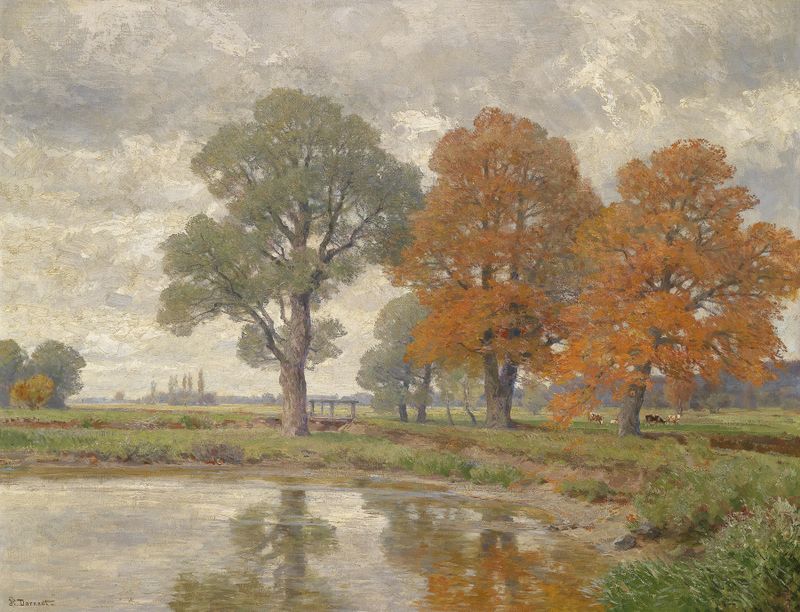
Is this a mirror — or a memory? In Die Sandgrube, beauty emerges from the delicate interplay of light and shadow, inviting viewers to confront their own reflections in its depths. Look to the foreground where a soft, golden sand dune unfurls, inviting the gaze with its warm hues. Notice how the painter uses gentle brushstrokes to simulate the grainy texture of sand, creating a tactile quality that seems to breathe. As your eyes travel towards the horizon, the color palette shifts from rich browns to soft blues, blending seamlessly to evoke an ethereal sky, while the gentle gradient of light captures the ephemeral essence of an afternoon sun. Within the stillness of the scene lies a profound tension between reality and illusion.
The dune, while serene, hints at transience, serving as a metaphor for life’s fleeting moments. Additionally, the subtle contrasts between color and form provoke contemplation, suggesting an unseen narrative, perhaps an echo of nostalgia or longing. Each grain of sand becomes a whisper from the past, urging us to reflect on our own stories and experiences. Hugo Darnaut created Die Sandgrube in 1900, during a period marked by shifting artistic movements and a burgeoning interest in capturing the ephemeral qualities of nature.
Living in Germany at the time, he was influenced by the developments in Impressionism, which emphasized light and color in a manner that often blurred the lines between reality and memory. This work showcases his ability to meld technique with emotion, inviting viewers to both see and feel.
More Artworks by Hugo Darnaut
Browse all →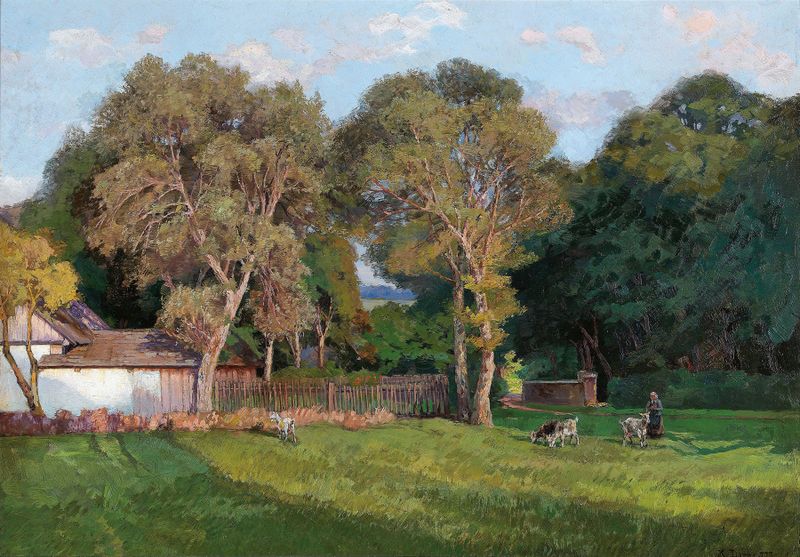
Aus dem Wienerwald
Hugo Darnaut
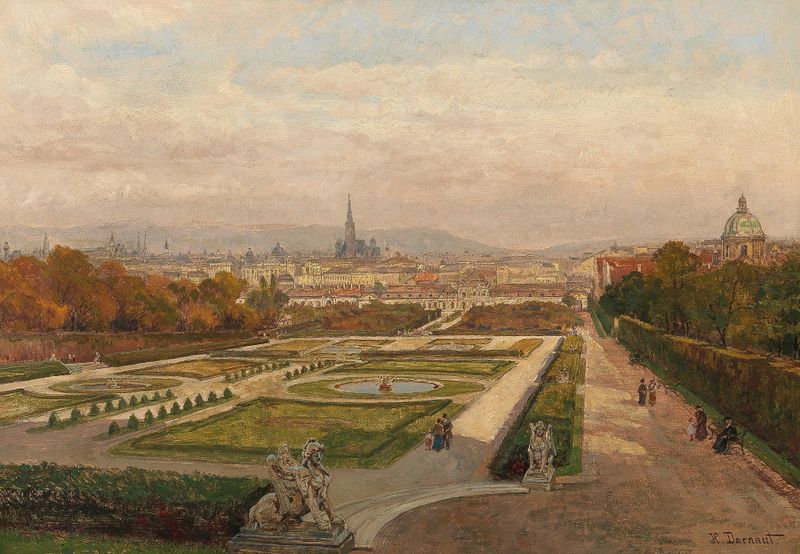
Blick vom Belvedere auf Wien
Hugo Darnaut

Motiv aus Plankenberg
Hugo Darnaut

In einem Wiener Garten (II., Praterstraße 60)
Hugo Darnaut

A Scene at Dusk in Late Autumn
Hugo Darnaut
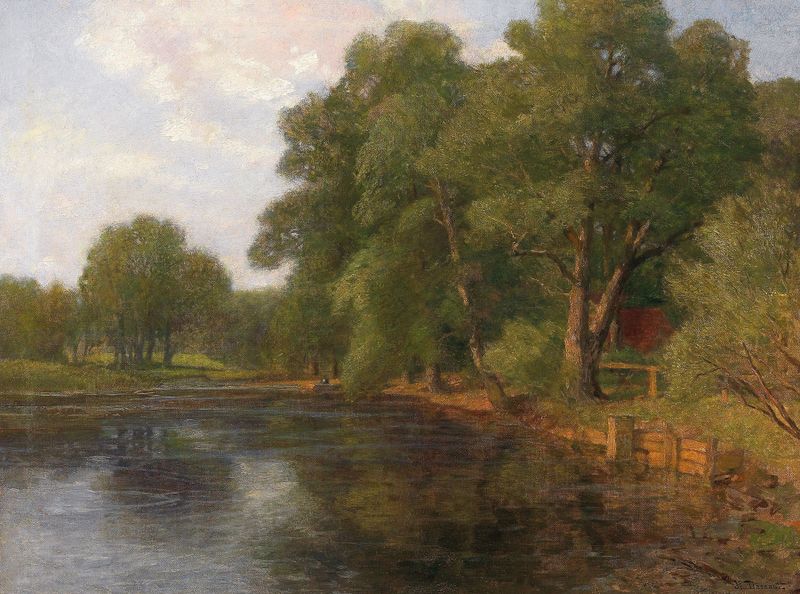
Motiv bei Plankenberg
Hugo Darnaut

Die Ruine Starhemberg im Piestingtal
Hugo Darnaut
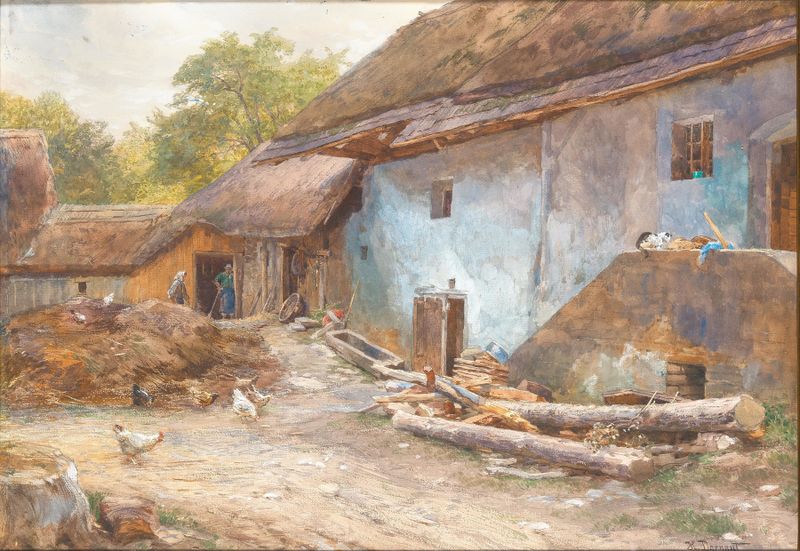
Niederösterreichischer Bauernhof
Hugo Darnaut

River Landscape with Small Herd of Cows and a Village in the background
Hugo Darnaut
Spätherbsttag
Hugo Darnaut





