
Die Schlacht bei Lissa — History & Facts
Is this a mirror — or a memory? The canvas invites viewers into the tumultuous embrace of time, where the echoes of the past reverberate with the clarity of the present. Focus on the central clash, where ships engage in a fierce ballet of battle amidst swirling waves. Notice the exquisite details of the sails, taut and billowing, capturing the viewer's gaze and leading it toward the turbulent waters below. The palette teems with rich blues and fierce whites, lending a sense of motion and urgency, while the striking contrasts draw the eye to the chaos at the heart of the composition.
Rubelli von Sturmfest’s meticulous technique evokes not just the movement of the ships but also the energy of the moment, making the scene almost palpable. Beneath the surface of this maritime battle lies a deeper exploration of conflict and unity. The juxtaposition of light and shadow portrays both the valor and destruction inherent in warfare, highlighting the fleeting nature of glory and the enduring scars it leaves behind. The figures aboard the vessels, though caught in the fray, seem almost ghostly, hinting at the ephemeral quality of their heroism and sacrifice.
Each detail contributes to an emotional tension that resonates beyond the canvas, prompting contemplation on the true cost of conquest. Created during an indeterminate period, this work reflects the artist's engagement with historical themes and his desire to capture the essence of human struggle. Rubelli von Sturmfest, influenced by the Romantic movement, sought to immortalize not only the events of battle but the spirit of awakening that follows in the wake of such tumult. As the world around him evolved, so too did his approach to storytelling through art, marking a pivotal moment in his artistic journey.
More Artworks by Ludwig Rubelli von Sturmfest
Browse all →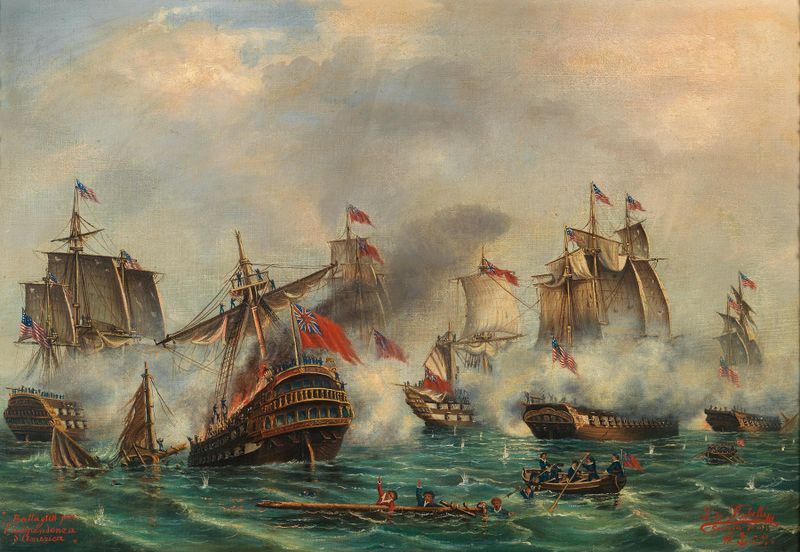
Battaglia per l’indipendenza d’America
Ludwig Rubelli von Sturmfest
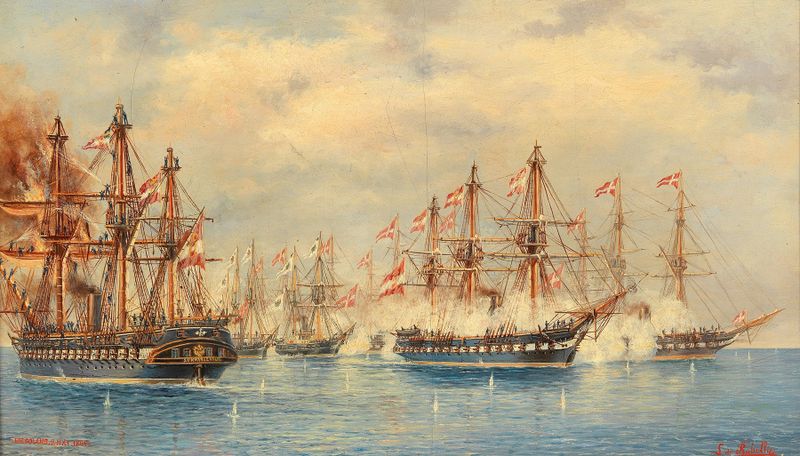
Battle of Helgoland
Ludwig Rubelli von Sturmfest
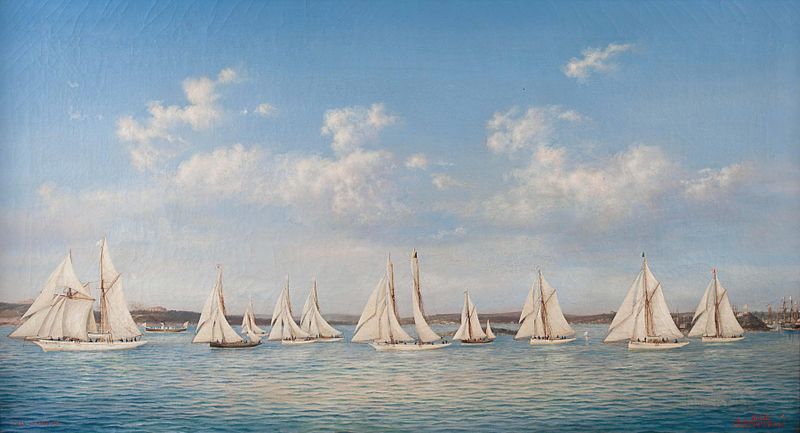
Segelregatta
Ludwig Rubelli von Sturmfest
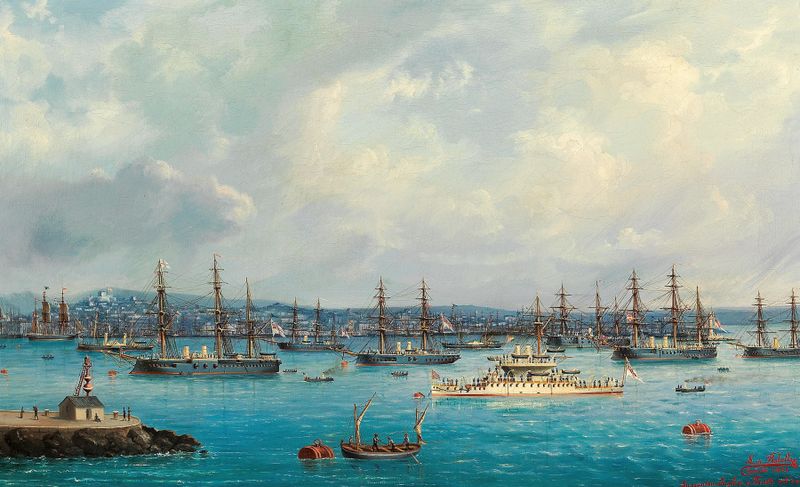
Englische Eskadre in Triest 1881
Ludwig Rubelli von Sturmfest
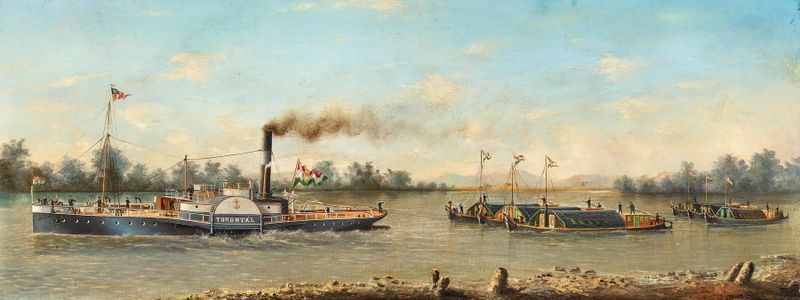
Tugboat TORONTÁL with Ships and Barges on a Southern Hungarian River, probably the Danube
Ludwig Rubelli von Sturmfest
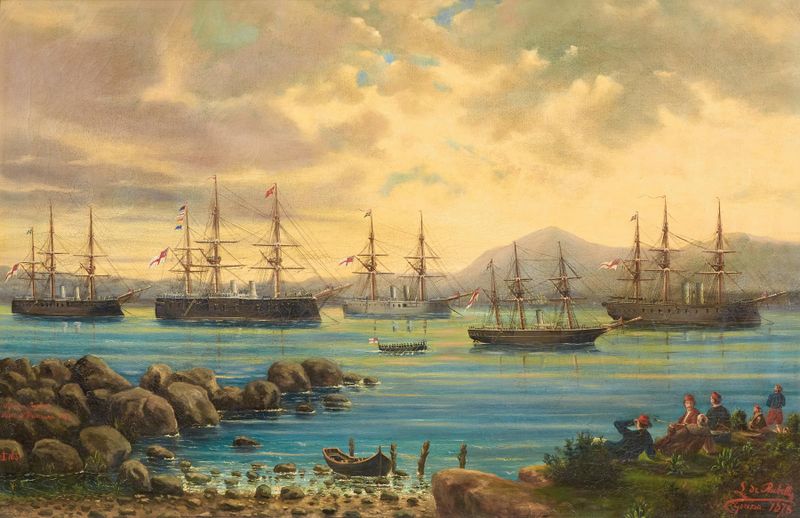
An English Squadron in the Sea of Marmara
Ludwig Rubelli von Sturmfest
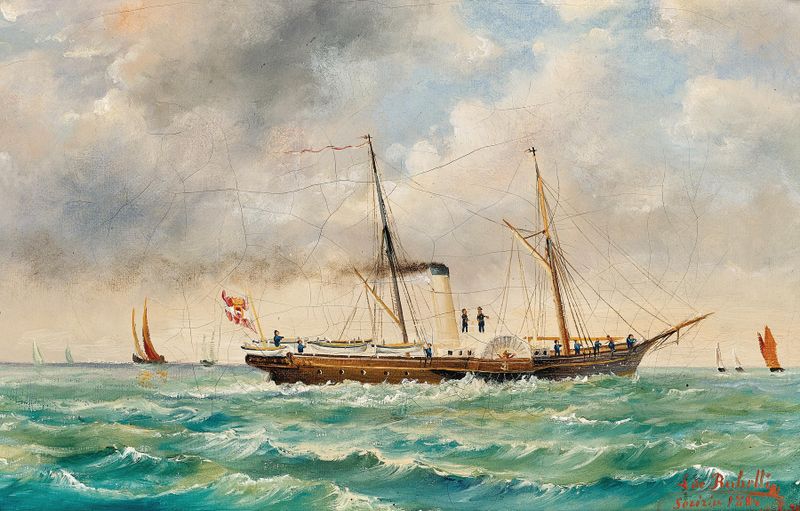
An imperial and royal yacht
Ludwig Rubelli von Sturmfest
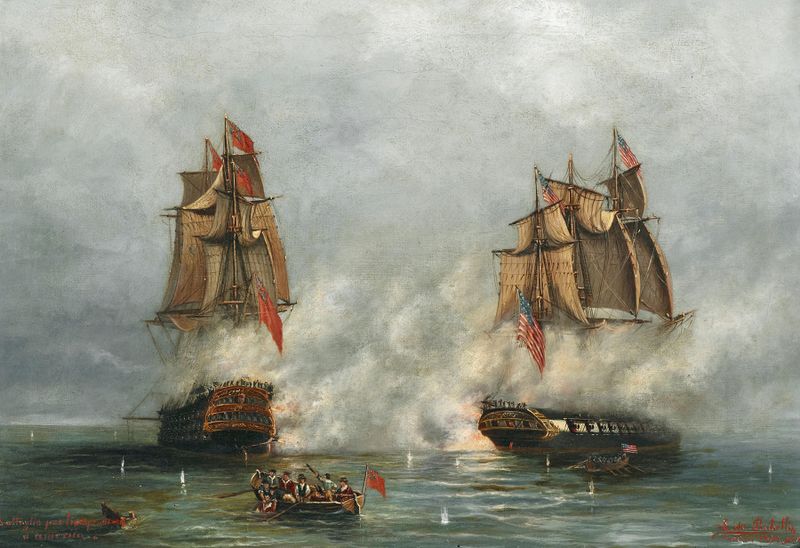
The American War of Independence
Ludwig Rubelli von Sturmfest
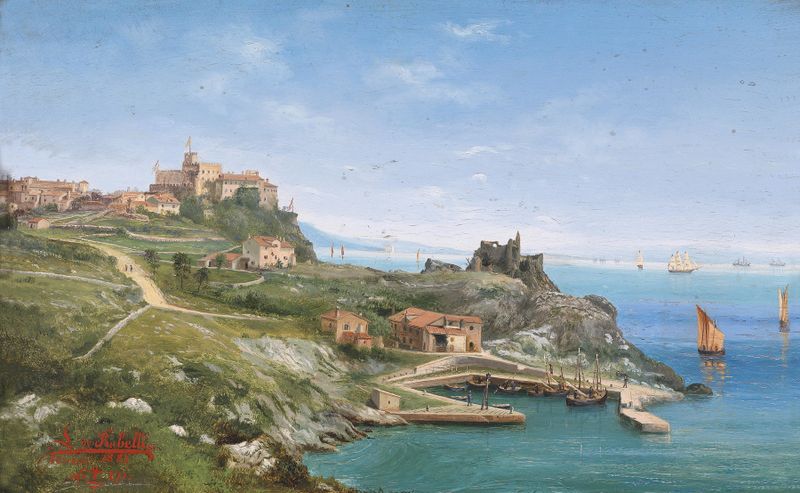
Castello de Duino
Ludwig Rubelli von Sturmfest
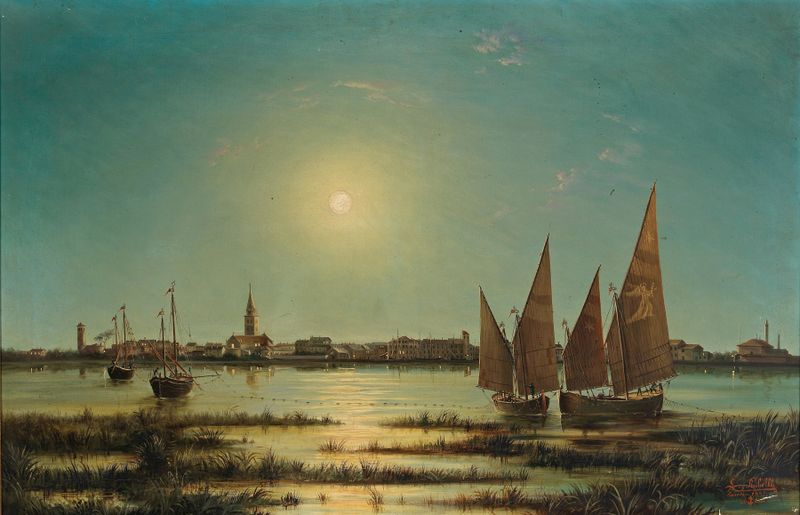
Blick auf Venedig im Mondlicht
Ludwig Rubelli von Sturmfest
More Historical Art
Browse all →
The Night Watch Militia Company of District II under the Command of Captain Frans Banninck Cocq
Rembrandt van Rijn

Lincoln Memorial
Henry Bacon

The Third of May 1808
Francisco de Goya

Isaac and Rebecca, Known as ‘The Jewish Bride’
Rembrandt van Rijn

The Charge of the Mamelukes (1814)
Francisco de Goya

De vier ruiters van de apocalyps
Albrecht Dürer