
An English Squadron in the Sea of Marmara — History & Facts
In a world that spirals with chaos and fleeting moments, the act of capturing madness becomes both a refuge and a rebellion. First, let your gaze settle on the vibrant waves of deep blues and greens, swirling dramatically across the canvas. Look closely at the ship in the foreground, its sails taut against the tempestuous winds, while the distant horizon flickers under a luminous, golden light. The juxtaposition of calm and chaos is palpable, drawing your attention to the tension resting within the heart of the sea and the promise of adventure that lingers in the air. The emotional currents run deep here.
Notice how the billowing clouds swirl ominously above, threatening to engulf the squadron as if nature itself conspires against human ambition. The ships symbolize more than mere vessels; they embody the fragility of sanity amid the unpredictability of life. Each wave and gust of wind whispers stories of madness and resilience, suggesting that even in tumult, there exists an underlying beauty and strength. In the late 19th century, Rubelli von Sturmfest created this canvas during a time of personal exploration and artistic divergence in Europe.
This period was characterized by the rise of Romanticism and the challenge of realism, as artists sought to convey not just the external world but emotional depth and internal struggles. The artist, deeply influenced by both natural landscapes and psychological themes, reflected the conflicting impulses of his time through this vivid maritime tableau.
More Artworks by Ludwig Rubelli von Sturmfest
Browse all →
Die Schlacht bei Lissa
Ludwig Rubelli von Sturmfest
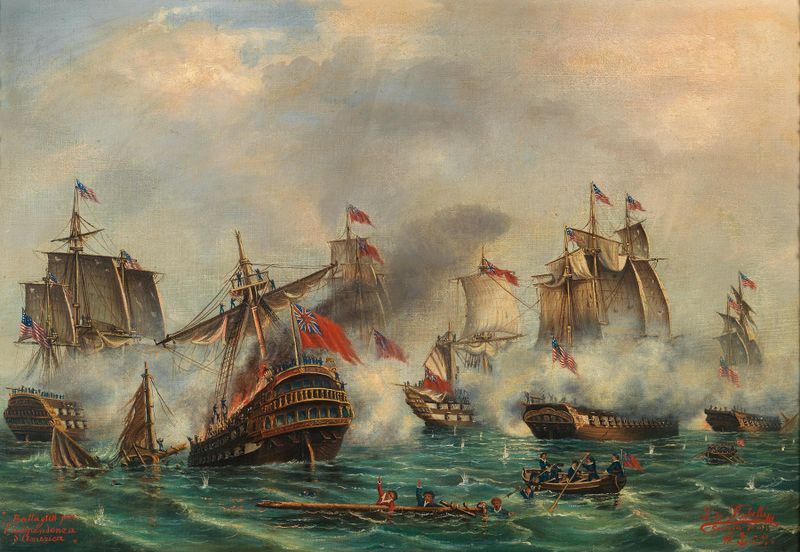
Battaglia per l’indipendenza d’America
Ludwig Rubelli von Sturmfest
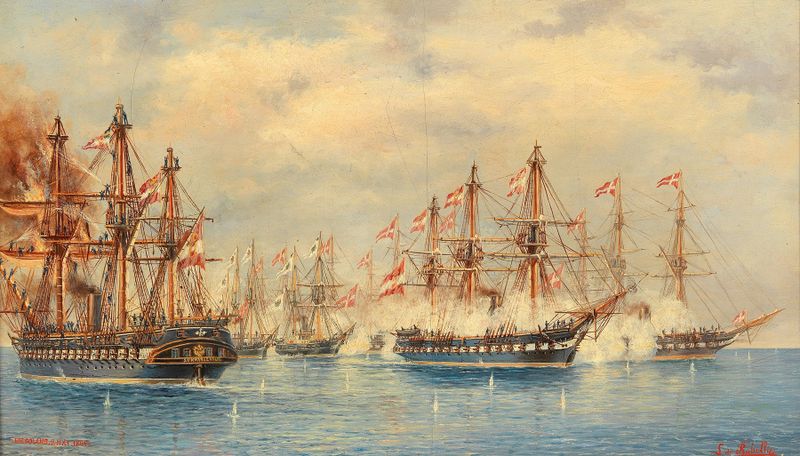
Battle of Helgoland
Ludwig Rubelli von Sturmfest
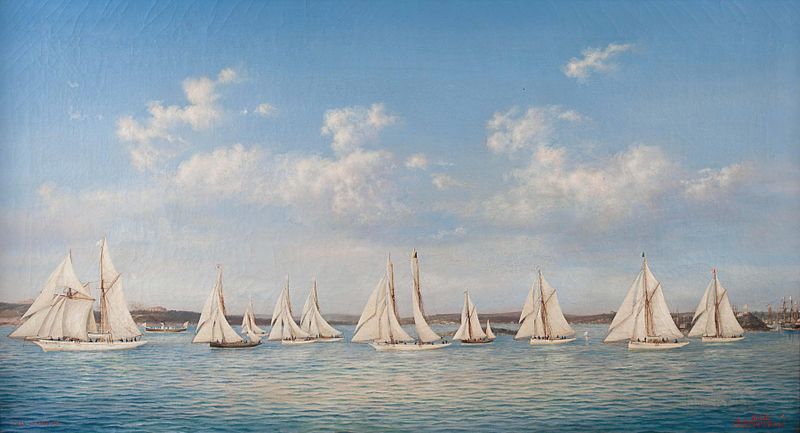
Segelregatta
Ludwig Rubelli von Sturmfest
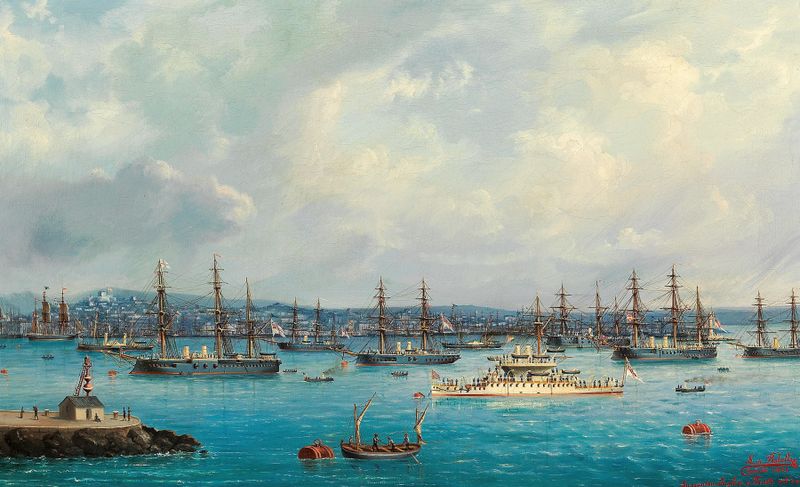
Englische Eskadre in Triest 1881
Ludwig Rubelli von Sturmfest
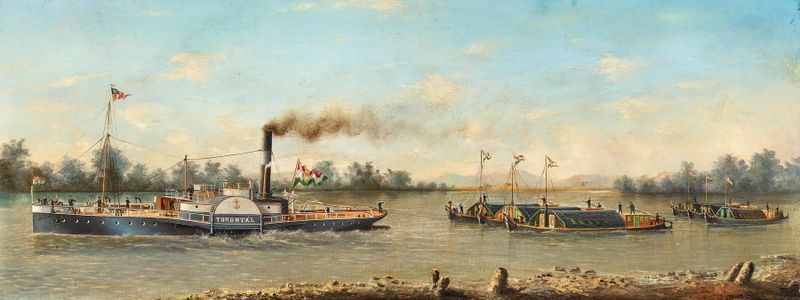
Tugboat TORONTÁL with Ships and Barges on a Southern Hungarian River, probably the Danube
Ludwig Rubelli von Sturmfest
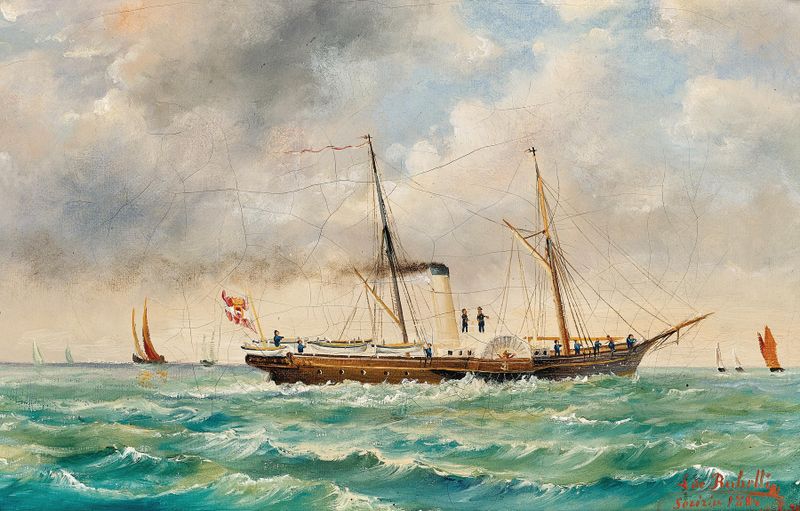
An imperial and royal yacht
Ludwig Rubelli von Sturmfest
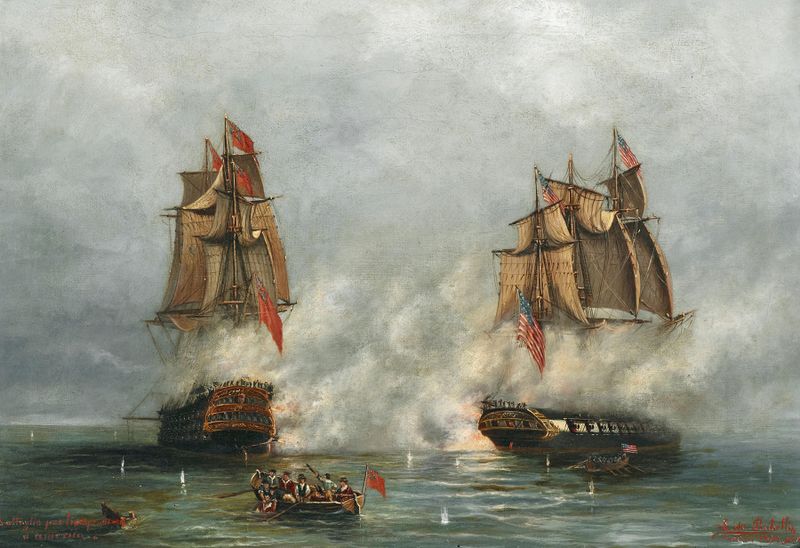
The American War of Independence
Ludwig Rubelli von Sturmfest
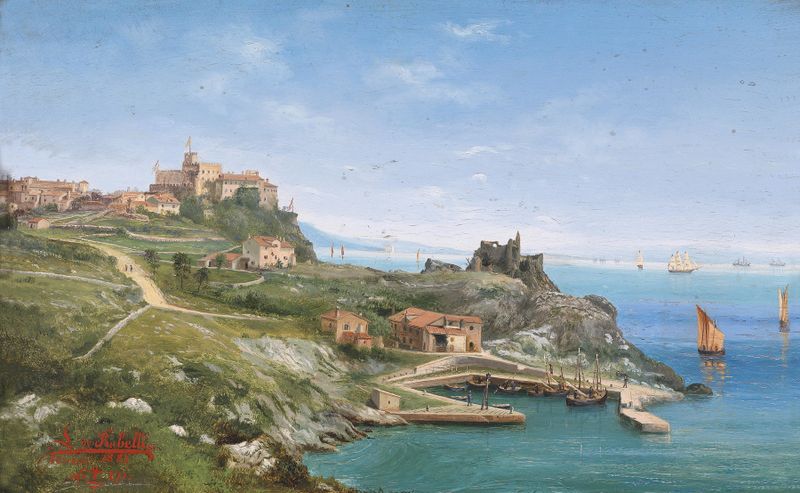
Castello de Duino
Ludwig Rubelli von Sturmfest
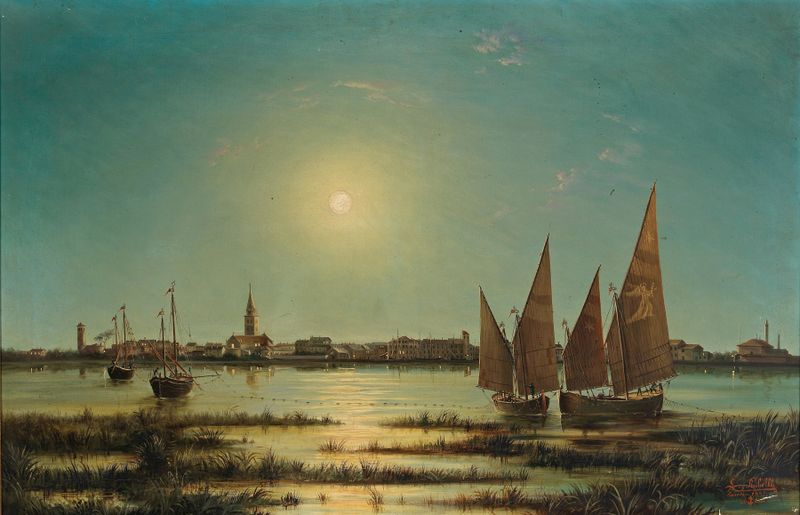
Blick auf Venedig im Mondlicht
Ludwig Rubelli von Sturmfest





