
Die Strasse nach Evordes — History & Facts
Could beauty survive in a century of chaos? The question echoes as one gazes upon the serene landscape that invites exploration and reflection. Look to the center of the canvas where undulating hills cradle a winding road, inviting you to journey through the vibrant greens and soft blues. Overhead, the sky transitions from a tranquil azure to a deeper, more contemplative tone, suggesting the passage of time. Notice how the brushstrokes create a rhythmic movement, imbuing the landscape with a pulse that resonates with the viewer, while the horizon beckons with promise and mystery. Delve deeper into the contrasts within the work: the serenity of nature juxtaposed against the tension of the unseen journey ahead.
There is a sense of movement, as if the road itself is a metaphor for life’s trajectory, leading towards uncertain futures. The harmony of colors hints at an underlying optimism, even amidst the turbulence of the late 19th century, signaling the tumultuous times on the horizon as industrialization began to reshape society. In 1890, Die Strasse nach Evordes emerged from the hand of Ferdinand Hodler during a period of great personal and artistic evolution. At this time, the artist was living in Switzerland, grappling with the complexities of modernism while seeking tranquility in the beauty of his homeland.
The painting reflects both his deep connection to nature and the broader artistic movements that were beginning to challenge traditional representations of landscape.
More Artworks by Ferdinand Hodler
Browse all →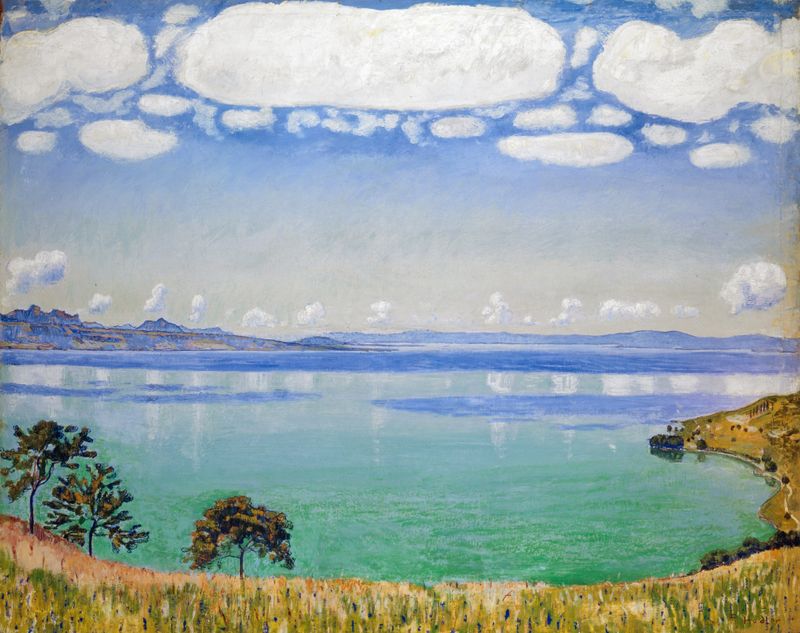
Lake Geneva From Chexbres
Ferdinand Hodler
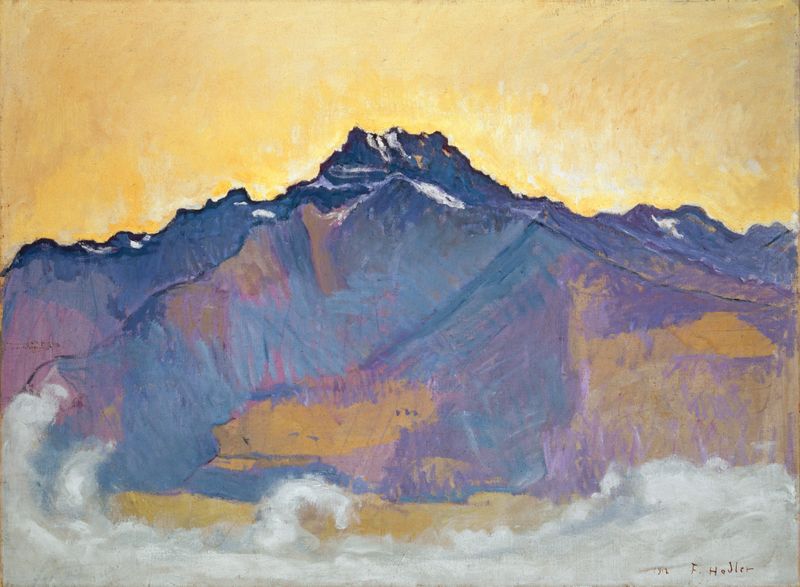
The Dents Du Midi Seen From Chesières
Ferdinand Hodler
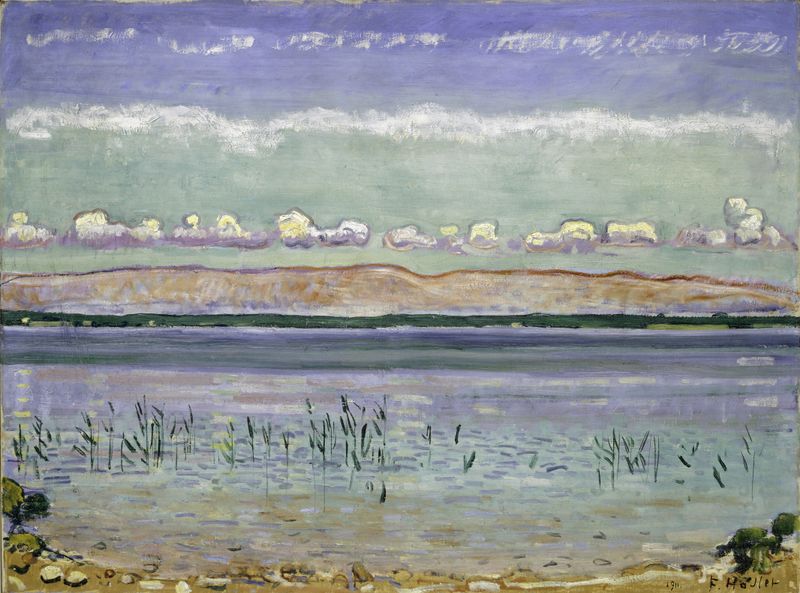
Lake Geneva With Jura Hills
Ferdinand Hodler
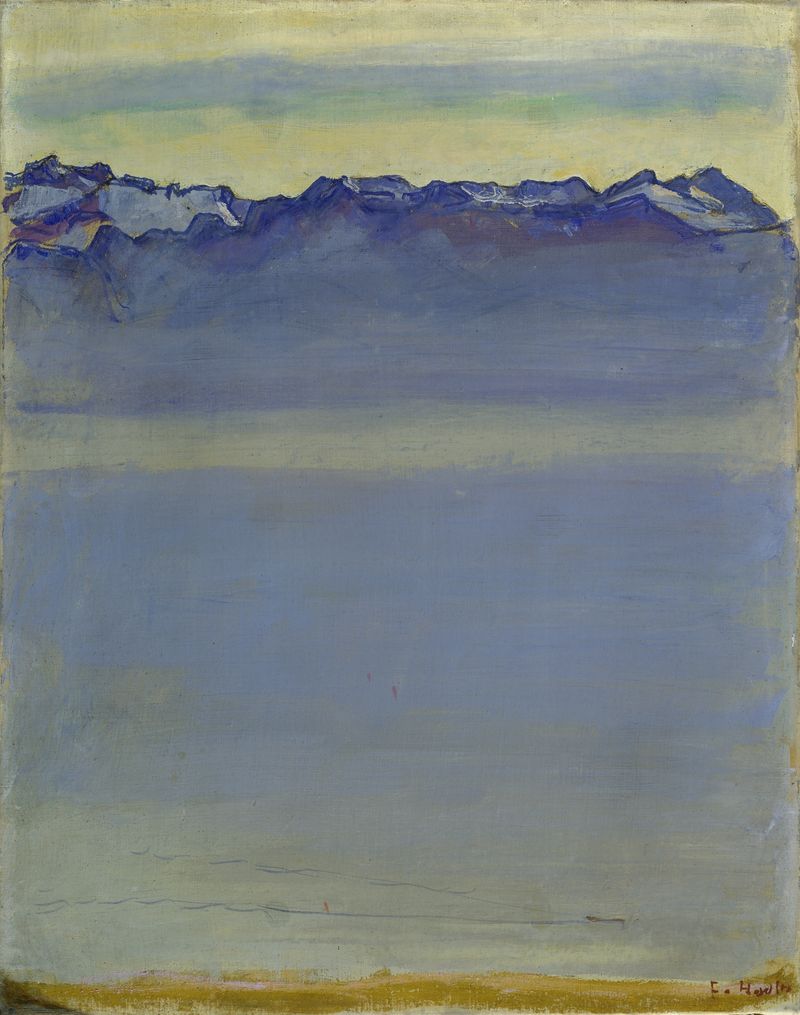
Lake Geneva with the Savoy Alps
Ferdinand Hodler
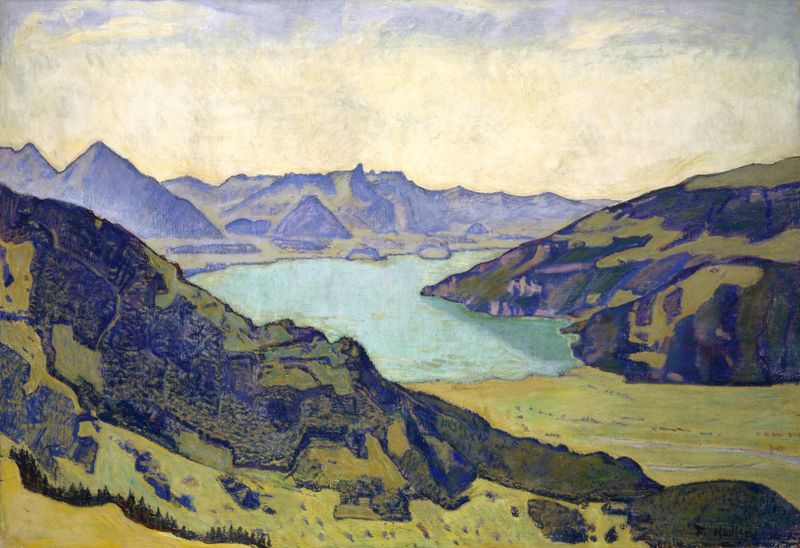
Lake Thun From Breitlauenen
Ferdinand Hodler
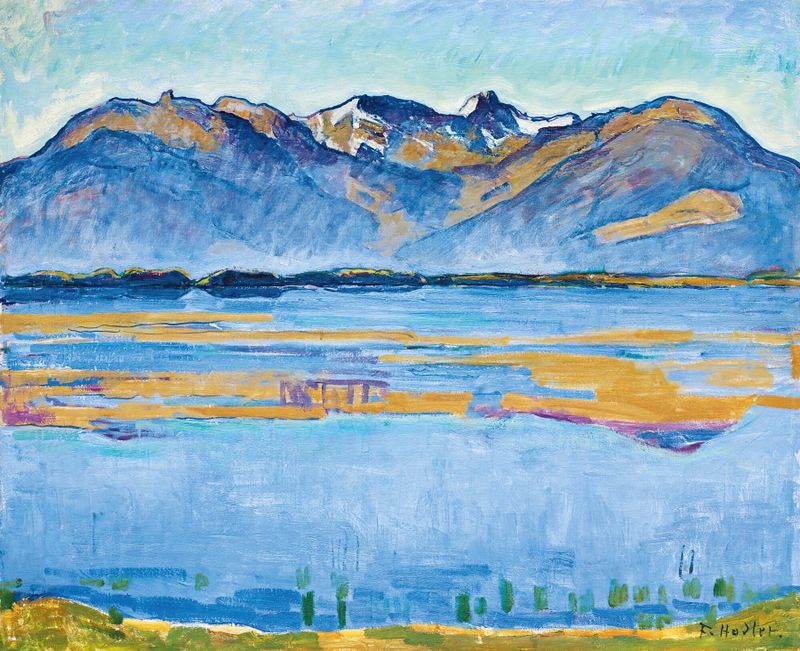
Montana Landscape With Becs De Bosson And Vallon De Réchy
Ferdinand Hodler
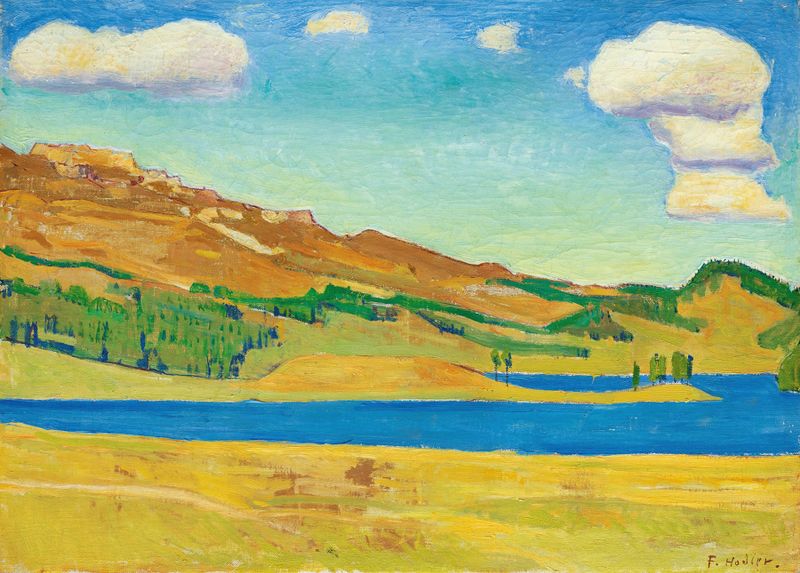
Lake Champfèr
Ferdinand Hodler

James Vibert, Sculptor
Ferdinand Hodler
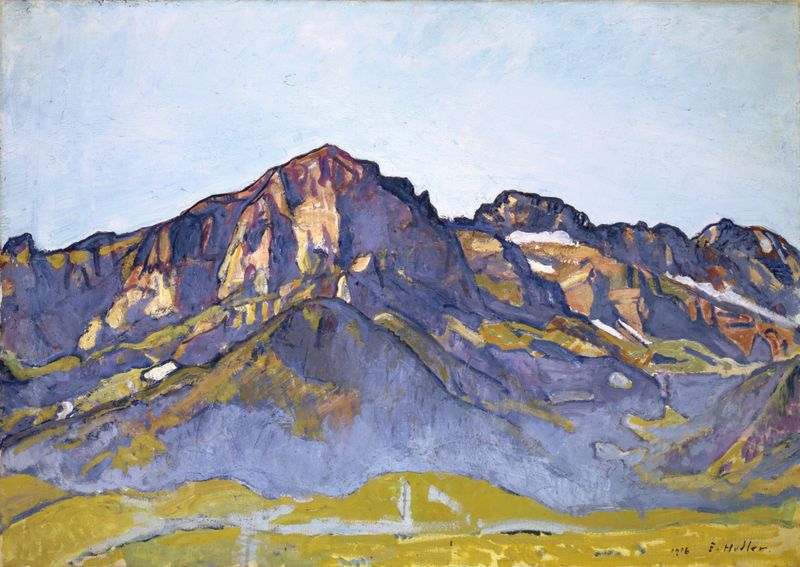
The Dents Blanches At Champéry In The Morning Sun
Ferdinand Hodler

Day (Truth)
Ferdinand Hodler





