Dish of Chinese porcelain from the wreck of the Dutch East Indiaman Witte Leeuw — History & Facts
In this stillness, a forgotten vessel whispers stories of longing and loss, of journeys that ended beneath the waves. Look closely at the center of the composition, where the delicate dish takes pride of place, its intricate patterns swirling like the currents of an ocean that once cradled it. Surrounding this porcelain treasure are remnants of history, gently worn and earthy, contrasting with the vibrant blues and whites of the dish itself. The play of light across its surface illuminates the fine details, sparking curiosity about its origin and the hands that crafted it. Beneath the surface, the porcelain evokes a bittersweet yearning; it signifies both the beauty of creation and the tragedy of disappearance.
The juxtaposition of the fragile dish against the darkened hues of the wreckage reflects a tension between stability and impermanence, reminding viewers that even the most exquisite artifacts are subject to the ravages of time. Each chip and crack tells a tale of survival, while the patterns suggest the elegance of a forgotten culture that once celebrated artistry. The artwork was created before 1613, during a time when European exploration was reshaping global trade and cultural exchanges. This piece likely stems from the wreck of the Witte Leeuw, a Dutch East Indiaman, emphasizing the blending of artistic traditions from the East with the burgeoning European market.
The artist remains unknown, yet their work resonated with the collective memory of maritime voyages, capturing a moment that reflects the complexities of a world in transition.
More Artworks by Unknown Artist
Browse all →
Ridder, Dood en Duivel
Unknown Artist
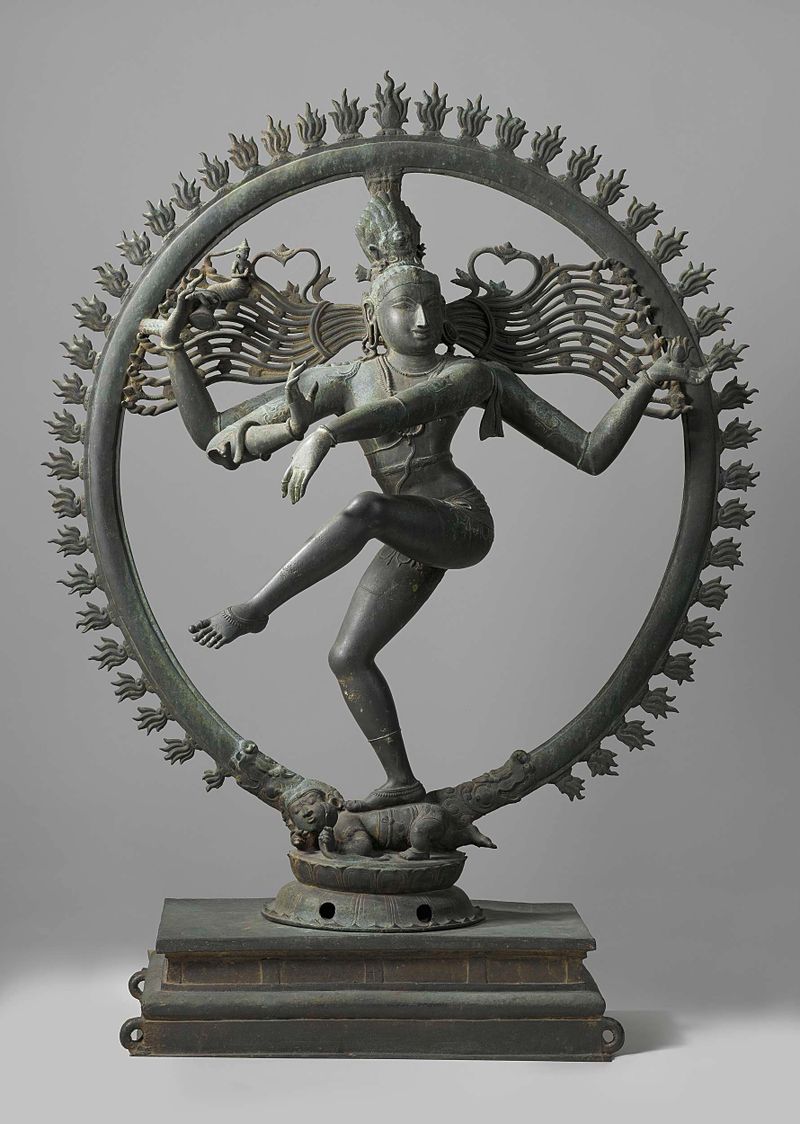
Shiva Nataraja
Unknown Artist
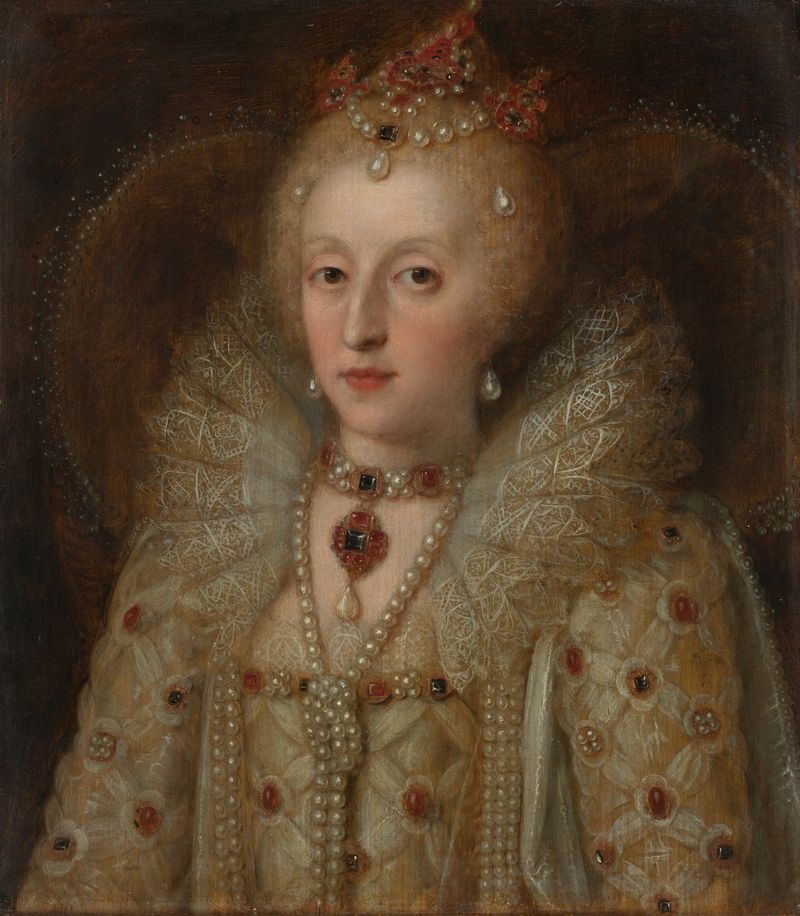
Portrait of Elizabeth I, Queen of England
Unknown Artist
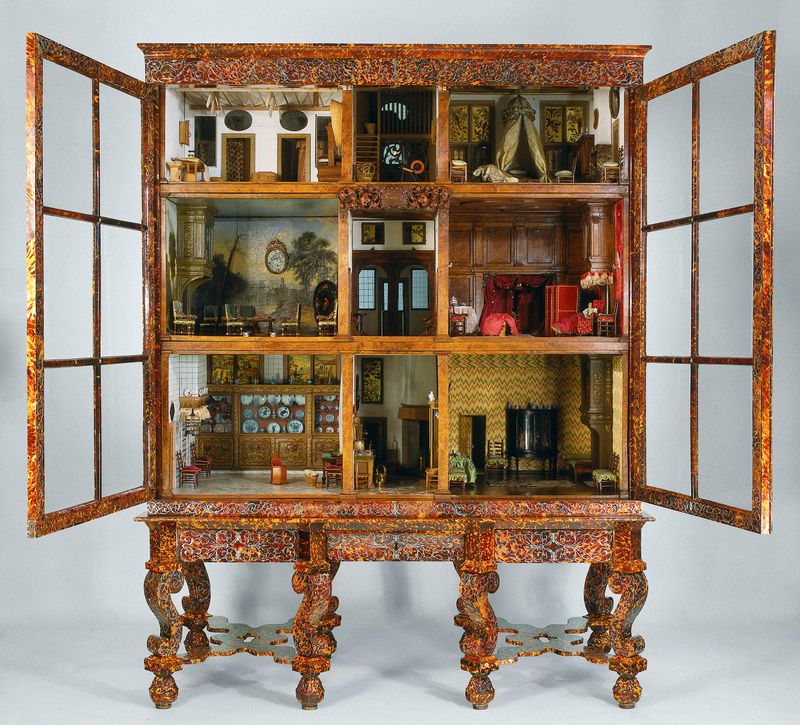
Dolls’ house of Petronella Oortman
Unknown Artist
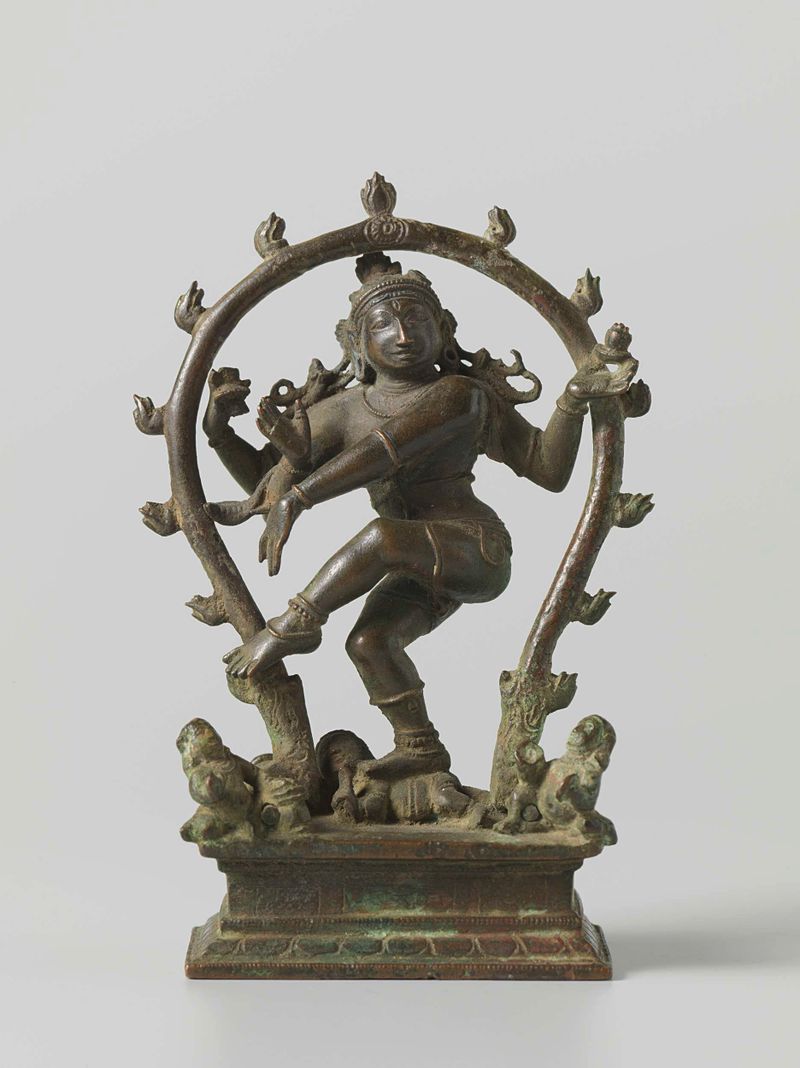
Shiva Nataraja
Unknown Artist

The Tale of Genji
Unknown Artist

The Tale of Genji
Unknown Artist
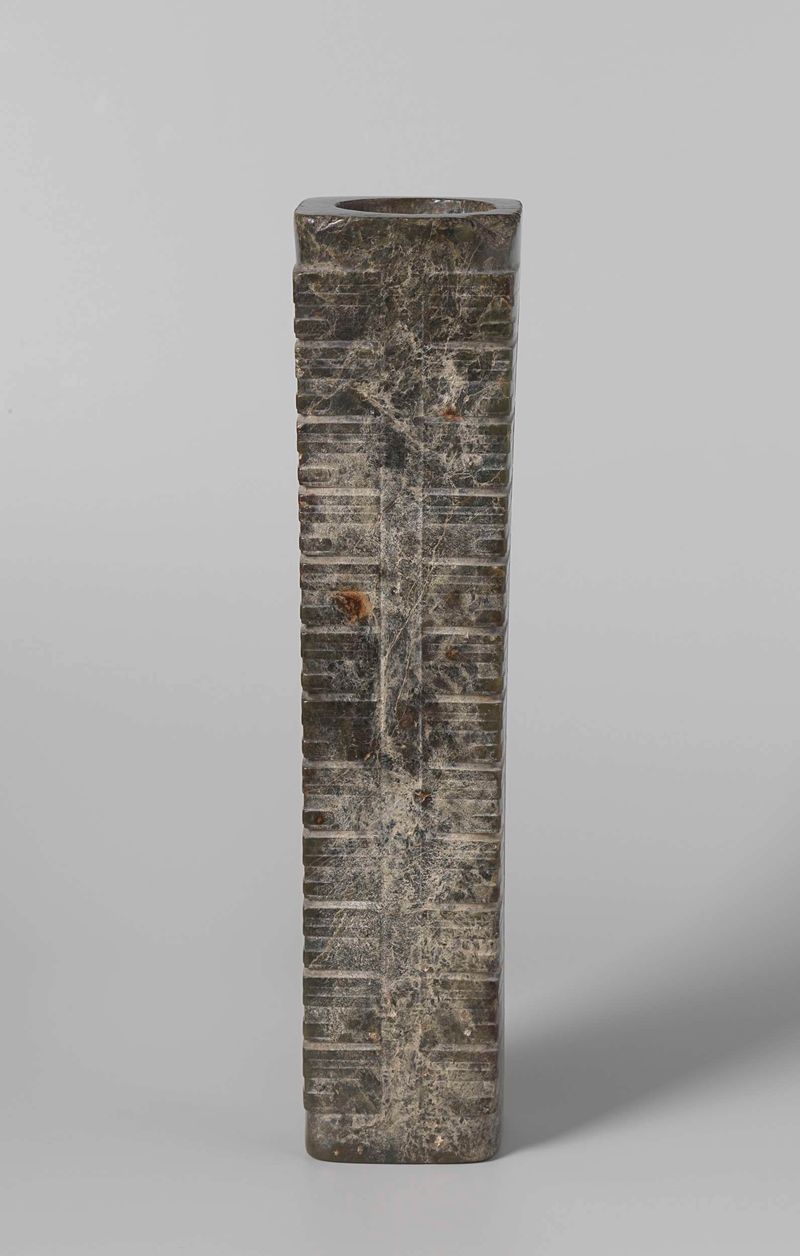
Cong
Unknown Artist
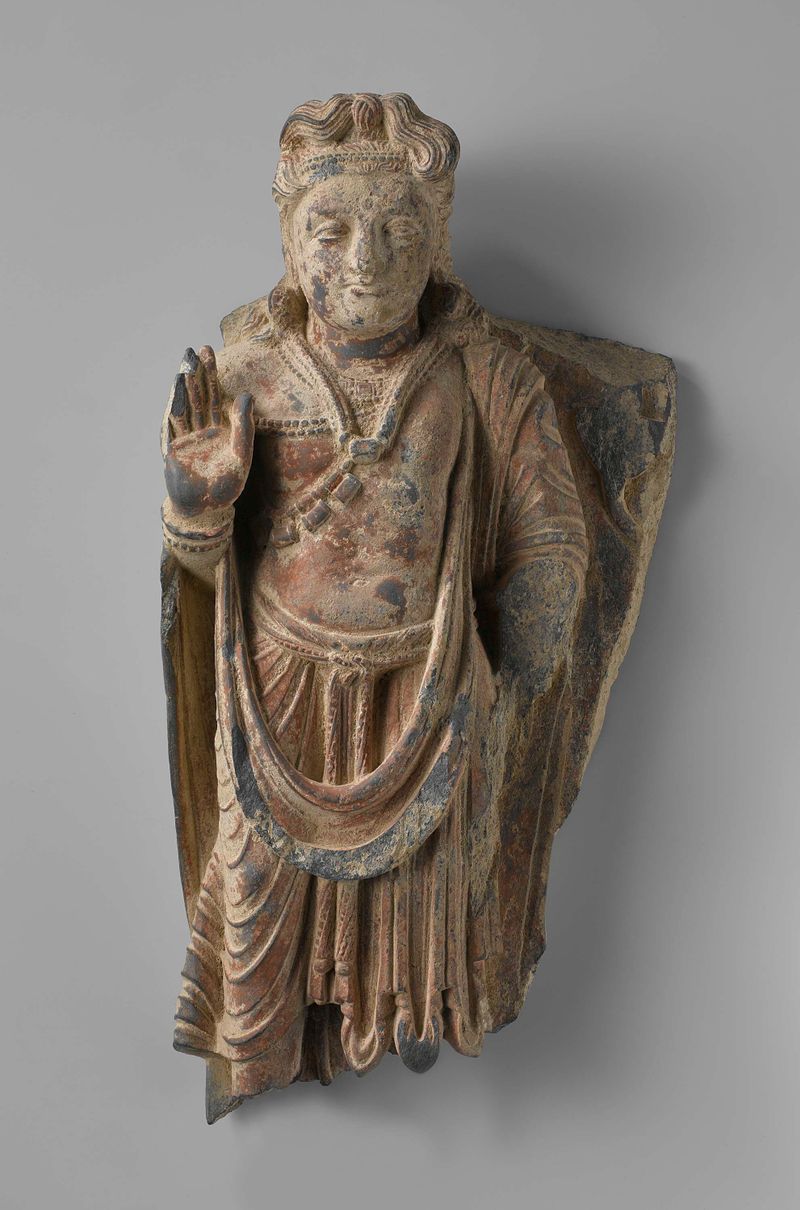
The bodhisattva Maitreya
Unknown Artist
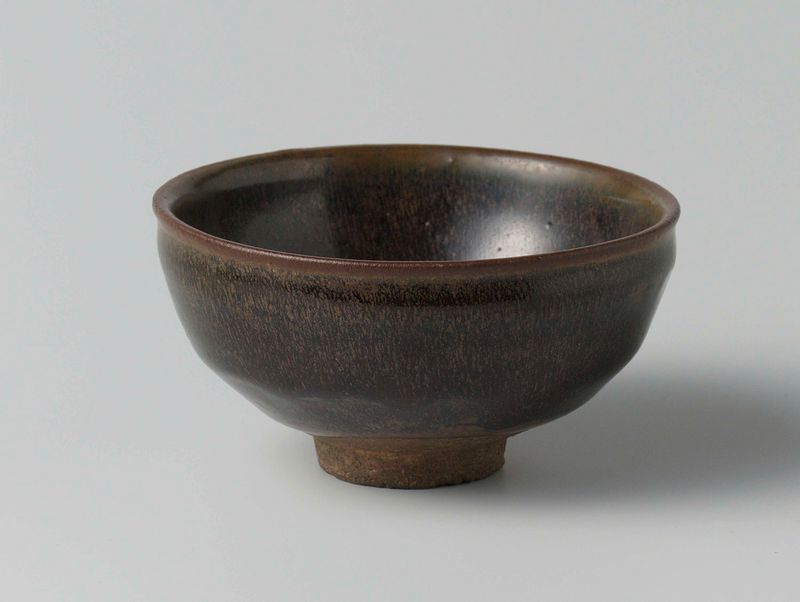
Teabowl with a 'hare's fur' glaze
Unknown Artist