
Dorf auf der Düne — History & Facts
What if silence could speak through light? In Dorf auf der Düne, the soft glow enveloping the desolate village whispers the stories of solitude, capturing the essence of loneliness amidst the vast expanse of nature. Look to the left at the gently rolling hills, where the muted earth tones of ochre and brown contrast sharply with the pale sky. As your gaze drifts to the village nestled in the dunes, notice the stark simplicity of the structures—small, unassuming homes that seem to merge with the landscape. The brushwork is delicate, yet deliberate, revealing the quiet strength of the architecture while the light plays across the canvas, casting elongated shadows that suggest an absence rather than the presence of people. Delve deeper, and you’ll uncover the emotional tension within this tranquil scene.
The separation of the houses from one another hints at isolation, as if each structure guards its own secrets. The gentle undulation of the sand dunes serves as an uninvited barrier, reinforcing the feeling of separation from the world beyond. The muted color palette further deepens this melancholic atmosphere, suggesting a longing for connection amidst the silent embrace of nature. Created between 1903 and 1904, this work reflects a crucial period for Alfred Zoff, when he was immersed in the German Impressionist movement.
Living in a time of industrial transformation and societal change, his focus on the quiet beauty of rural life encapsulates a yearning for peace, a stark contrast to the growing urbanization surrounding him. This painting stands as a testament to his ability to evoke emotion through stillness, capturing the essence of a moment that speaks volumes without uttering a single word.
More Artworks by Alfred Zoff
Browse all →
Chioggia
Alfred Zoff

Riviera, Breaking Waves in Boccadasse
Alfred Zoff

Camaret. Küste bei Brest
Alfred Zoff
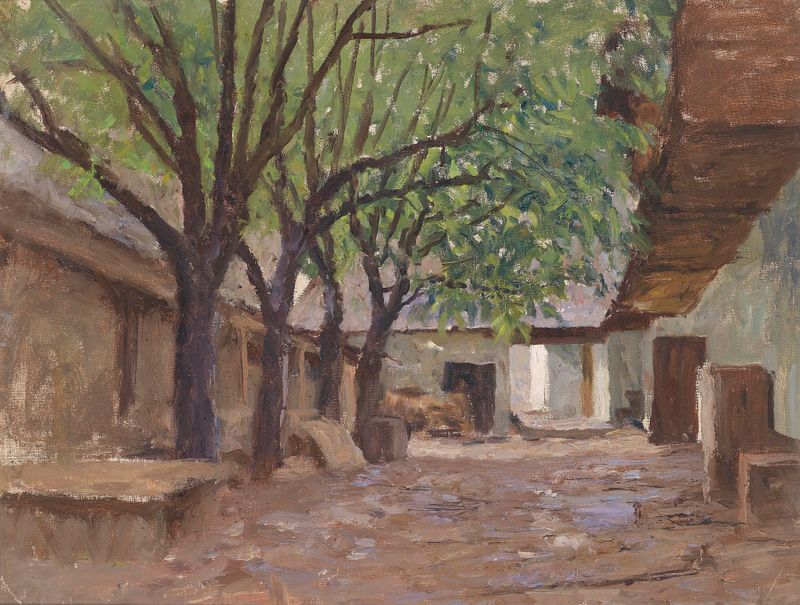
Bauernhäuser bei Klagenfurt
Alfred Zoff

Felsige Küstenpartie
Alfred Zoff

Ländliche Idylle
Alfred Zoff
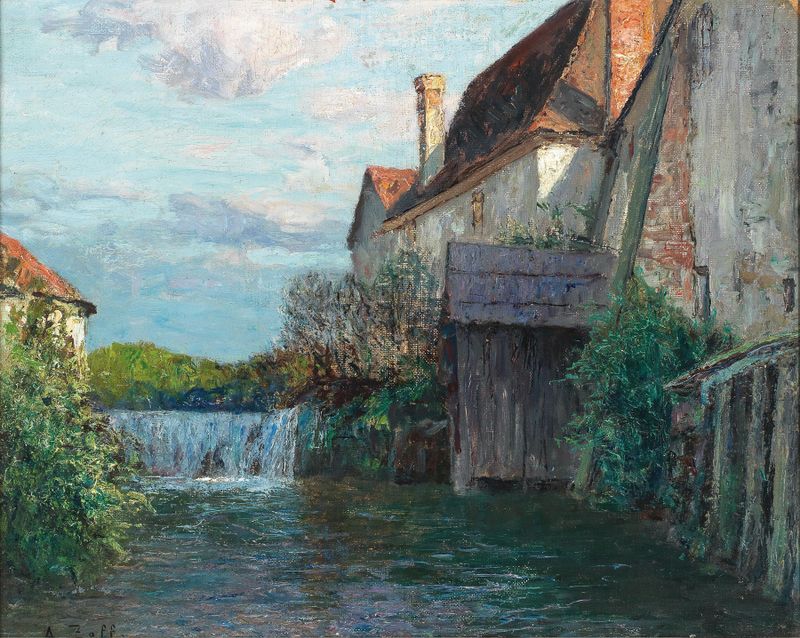
Motiv aus einem steirischen Eisenwerk
Alfred Zoff

Abendstimmung
Alfred Zoff
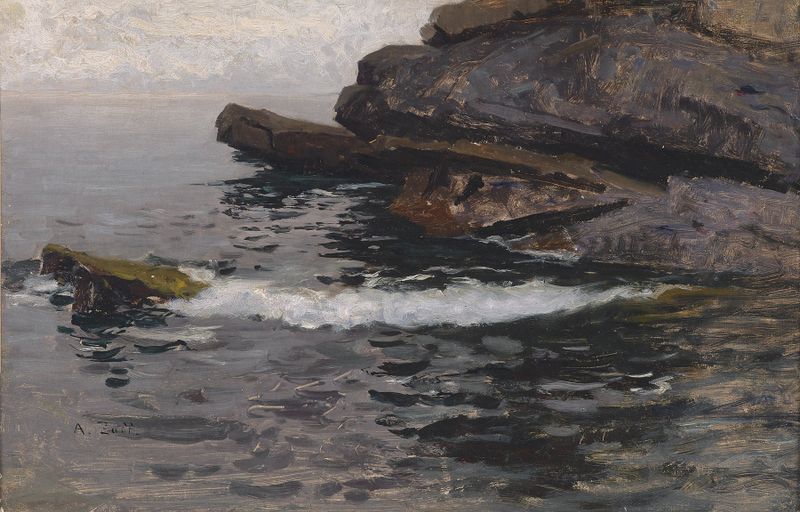
Felsküste bei Capo Lungo
Alfred Zoff

Fischerboote zur Zeit der Ebbe
Alfred Zoff





