
Dorfidylle — History & Facts
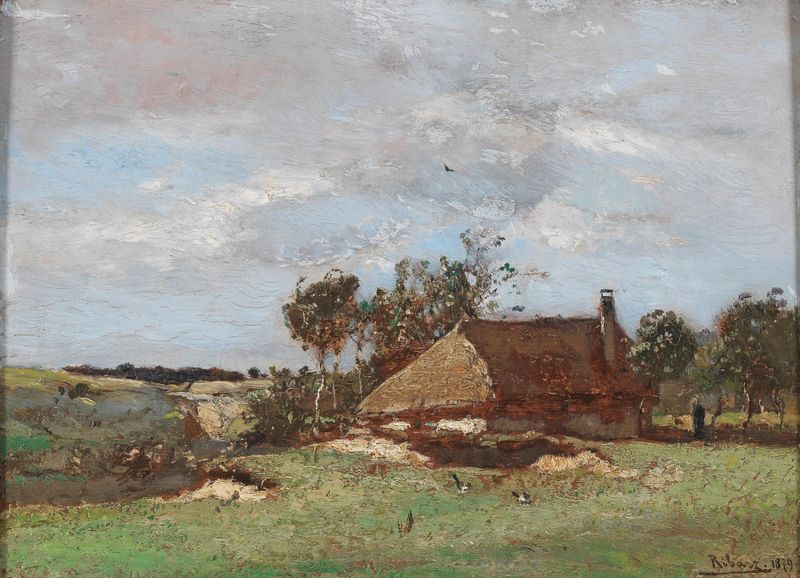
What secret hides in the quiet of the canvas? Beneath the surface of tranquility, there lies an unsettling tension waiting to be uncovered. Look to the center where the idyllic village sprawls, its quaint houses nestled comfortably among lush greenery. Notice how the soft, muted colors of the landscape contrast with the sharp, angular lines of the architecture, creating a sense of unease. The brushstrokes are deliberate yet gentle, inviting the eye to wander but hinting at underlying chaos—imperfect edges and shadows that creep into the light.
The serene blue sky above belies a hidden turmoil, suggesting that not everything is as peaceful as it seems. At first glance, the harmony of the village may lull the viewer into complacency, yet closer inspection reveals subtle signs of disquiet. The villagers, engaged in their daily tasks, wear expressions that range from blissful ignorance to quiet contemplation, suggesting an unspoken history of discord. A solitary figure on the periphery leans against a tree, seemingly detached, as if privy to an unsettling truth that the others cannot see.
This juxtaposition of idyllic life and the hints of violence—both in gesture and color—creates a haunting atmosphere that beckons deeper reflection. Rudolf Ribarz painted this work during a time when the art world was shifting towards an exploration of emotional depth and societal commentary. The precise date remains unknown, yet it is likely that he created it amidst the socio-economic tensions of post-war Europe, a period fraught with the ghosts of conflict and recovery. This context enriches the painting, as Ribarz appears to grapple with the coexistence of beauty and strife, hinting at a narrative that lies just beneath the surface.
More Artworks by Rudolf Ribarz
Browse all →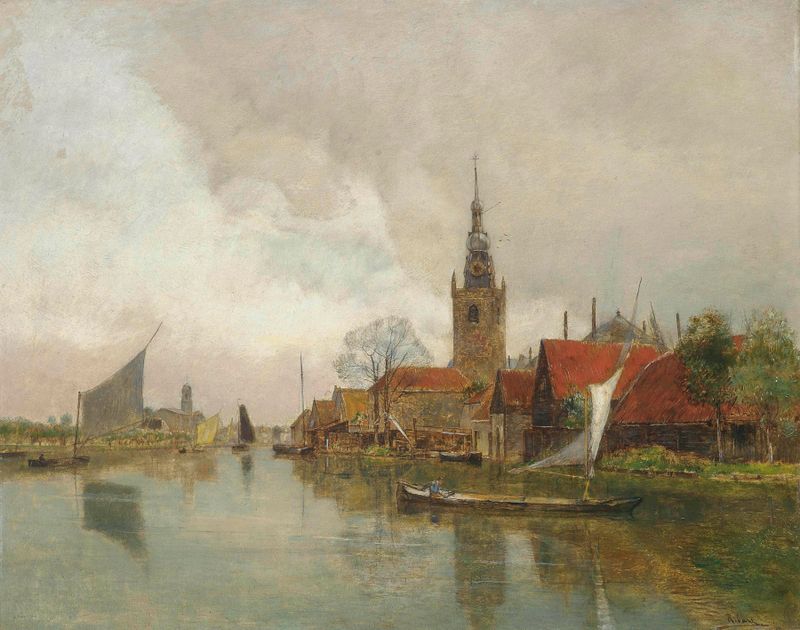
Vessels on the Schie in Overschie, in the municipality of Rotterdam
Rudolf Ribarz
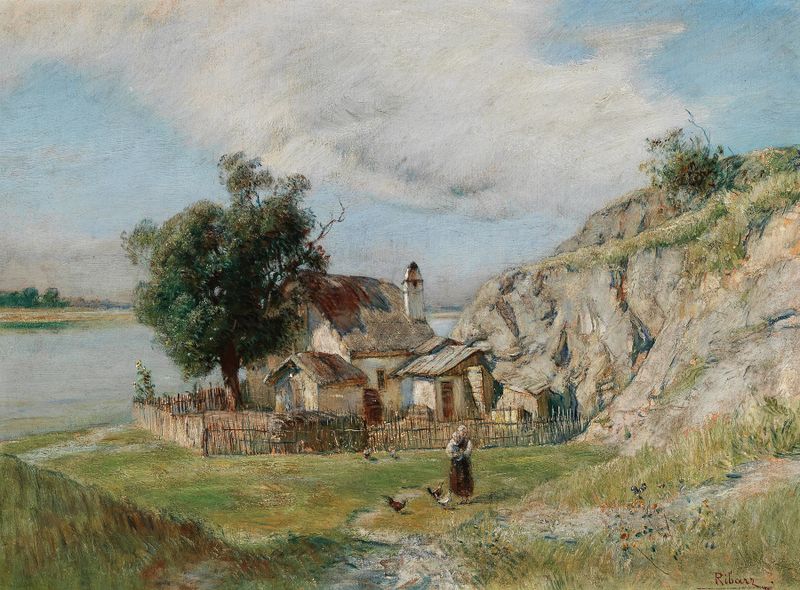
Hütte an der Donau bei Hainburg
Rudolf Ribarz
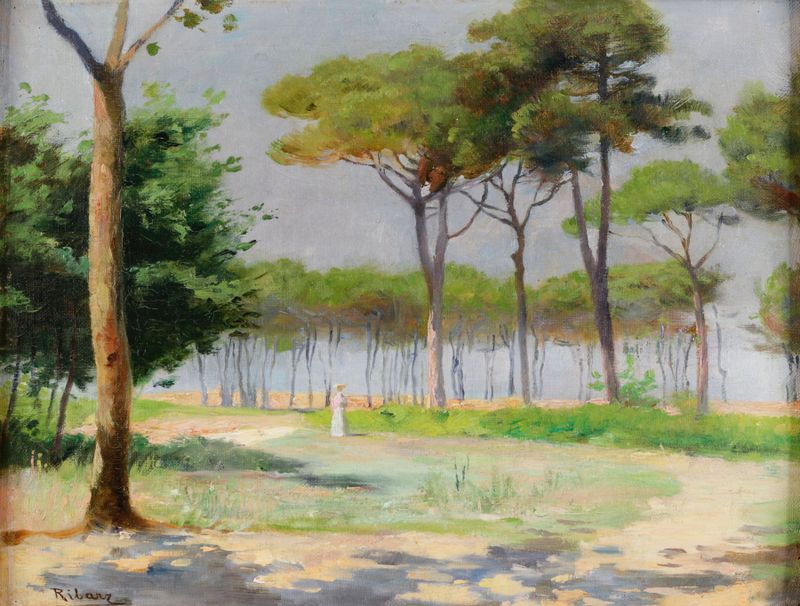
Spaziergang im Pinienhain
Rudolf Ribarz
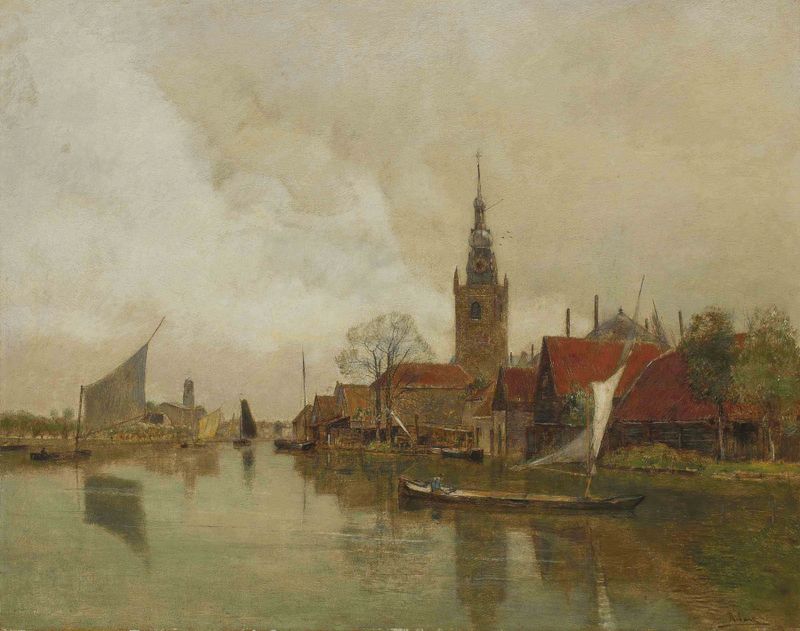
La Schie à Overschie dans la municipalité de Rotterdam
Rudolf Ribarz
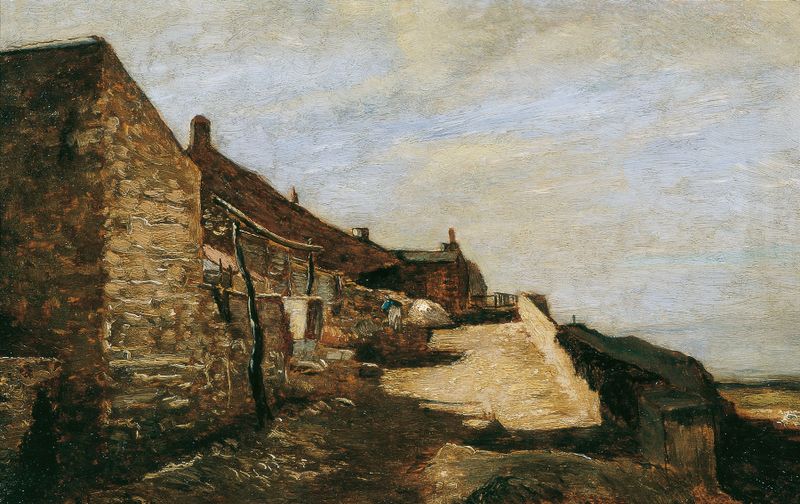
Pont de Moutiers in Thiers
Rudolf Ribarz
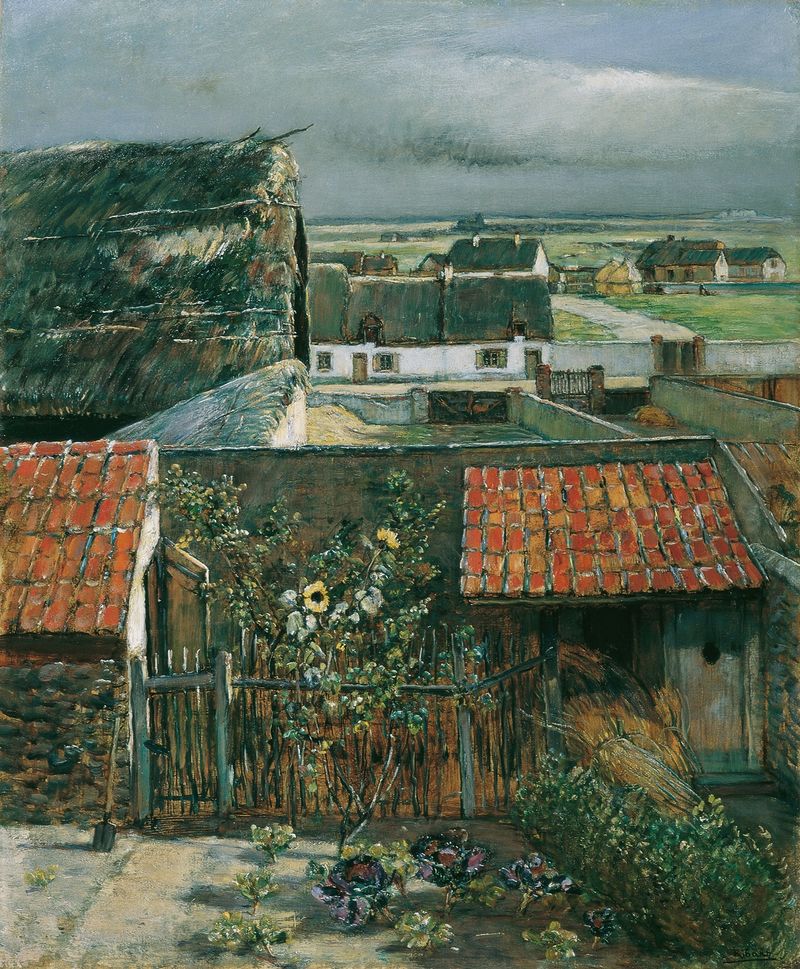
Bretonische Landschaft
Rudolf Ribarz
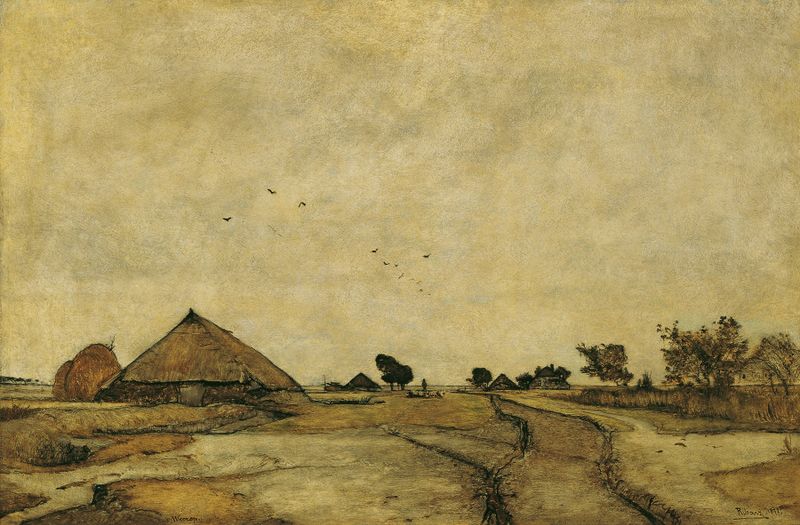
Holländische Landschaft
Rudolf Ribarz
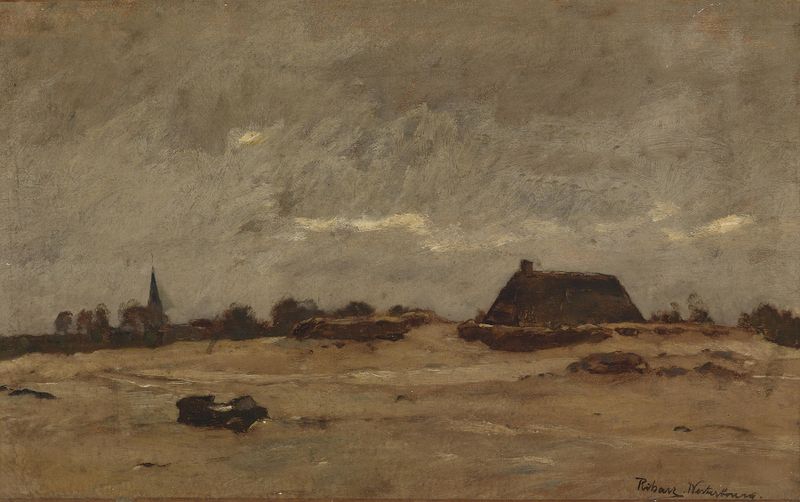
Abendstimmung in Westerland
Rudolf Ribarz
Landschaft mit Bauernhof
Rudolf Ribarz
Schleuse am Kanal von St. Denis
Rudolf Ribarz





