
Abendstimmung in Westerland — History & Facts
Did the painter know this moment would outlive them? In Abendstimmung in Westerland, a fleeting truth is captured, one that whispers of both ephemerality and eternity within the strokes of Ribarz's brush. Focus first on the horizon, where the sun dips below a blanket of soft, muted clouds, bathing the scene in a warm embrace of oranges and deep purples. This masterful blend of colors creates a harmony that invites contemplation, while the gentle ripples of the sea reflect the fading light. Notice how the scattered figures, small against the grandeur of nature, convey a sense of serenity and solitude, evoking the universal experience of witnessing a day's end. Within this tranquil landscape lies a complex emotional tapestry.
The tension between the vastness of the sky and the insignificance of the figures below suggests a yearning for connection amidst solitude. The interplay of light and shadow serves as a reminder of life’s fleeting moments, capturing both beauty and melancholy. Each brushstroke holds a piece of truth, urging us to confront our own transient existence as we gaze into this serene twilight. Rudolf Ribarz painted this piece during a time when the art world was shifting towards more expressive, emotive styles, likely influenced by the evolving landscape of early 20th-century Europe.
Working at an unknown date, possibly reflecting personal introspection or socio-political transitions, Ribarz sought to distill the essence of fleeting moments into timeless representations. The silence of the evening encapsulates the artist's longing to capture the beauty that persists even as light fades away.
More Artworks by Rudolf Ribarz
Browse all →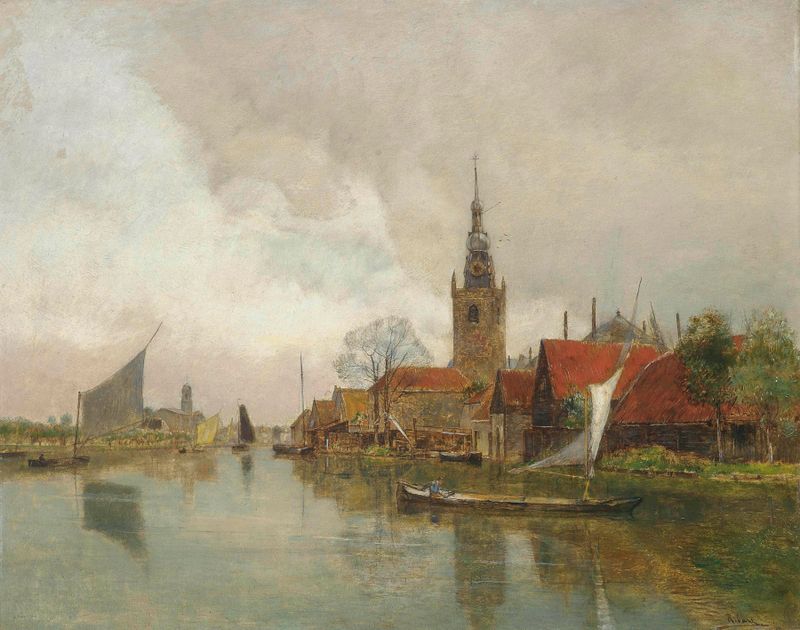
Vessels on the Schie in Overschie, in the municipality of Rotterdam
Rudolf Ribarz
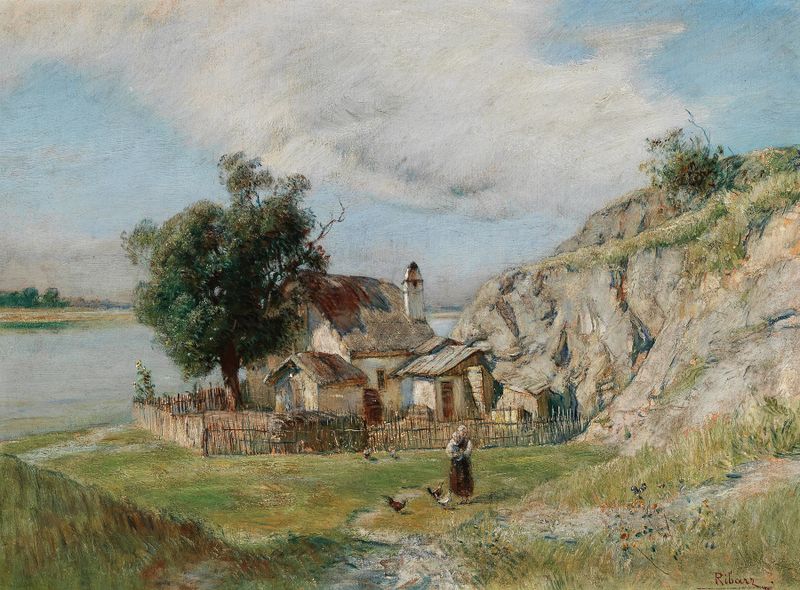
Hütte an der Donau bei Hainburg
Rudolf Ribarz
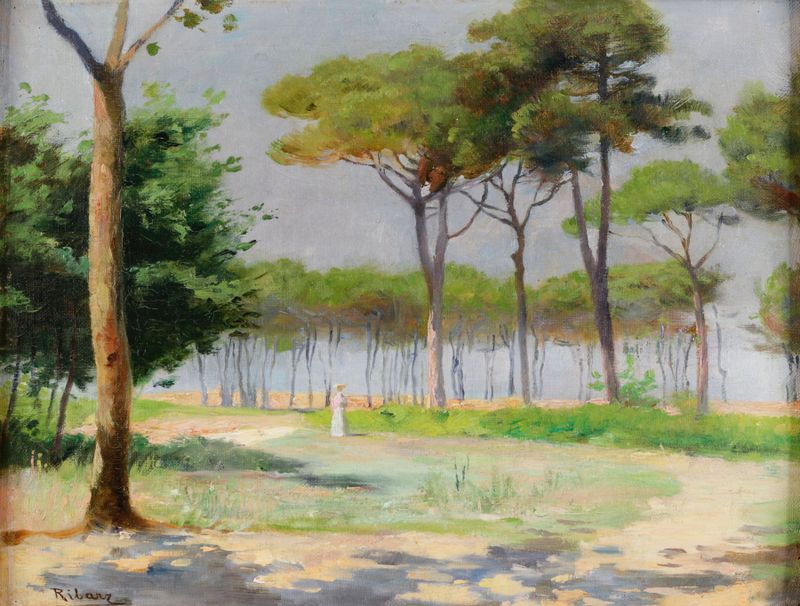
Spaziergang im Pinienhain
Rudolf Ribarz
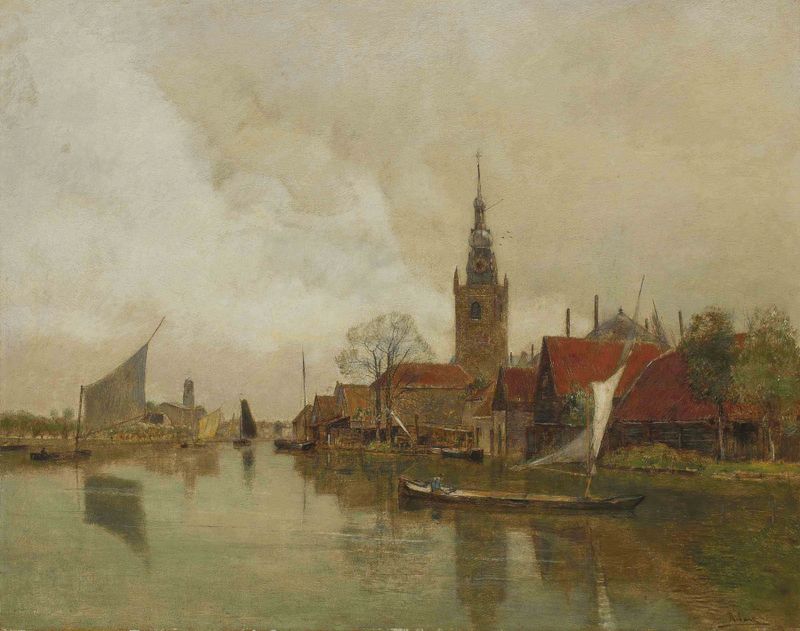
La Schie à Overschie dans la municipalité de Rotterdam
Rudolf Ribarz
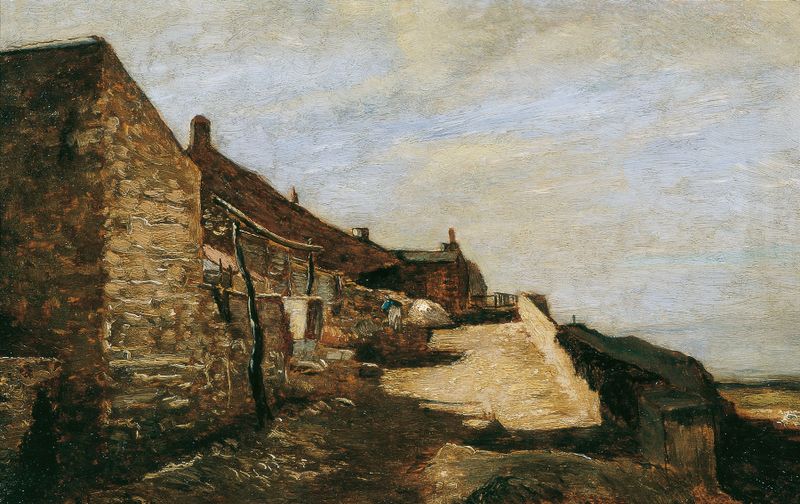
Pont de Moutiers in Thiers
Rudolf Ribarz
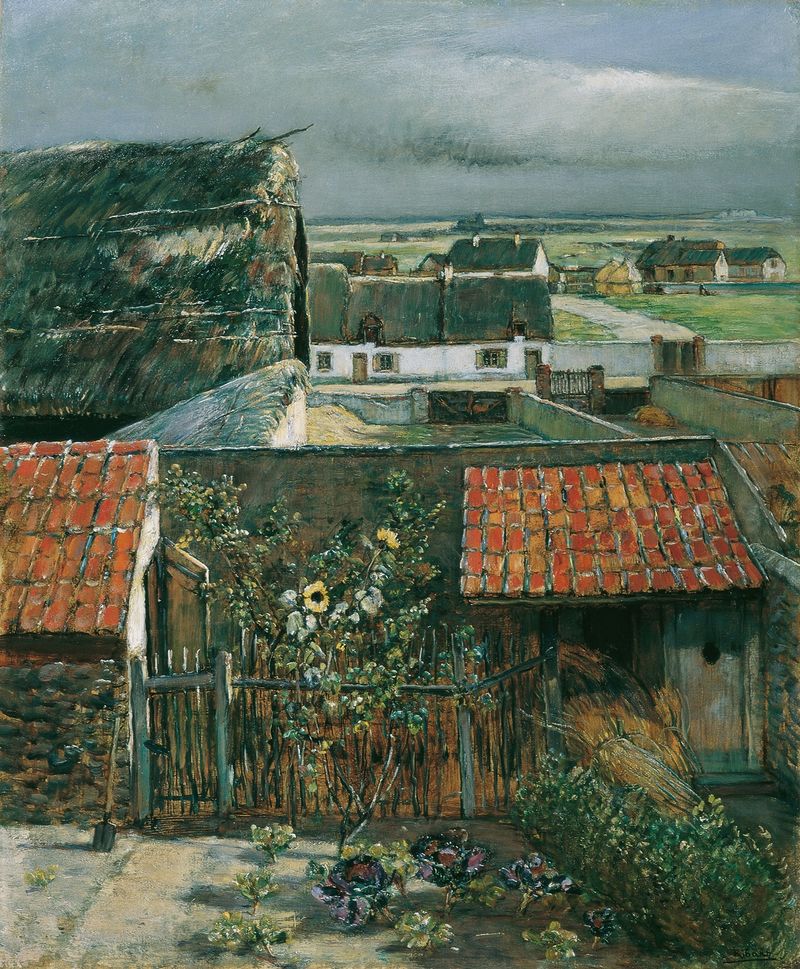
Bretonische Landschaft
Rudolf Ribarz
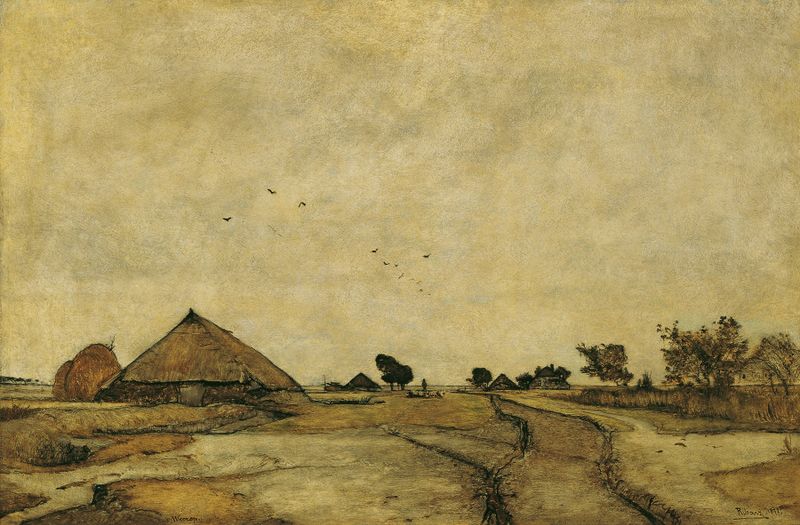
Holländische Landschaft
Rudolf Ribarz
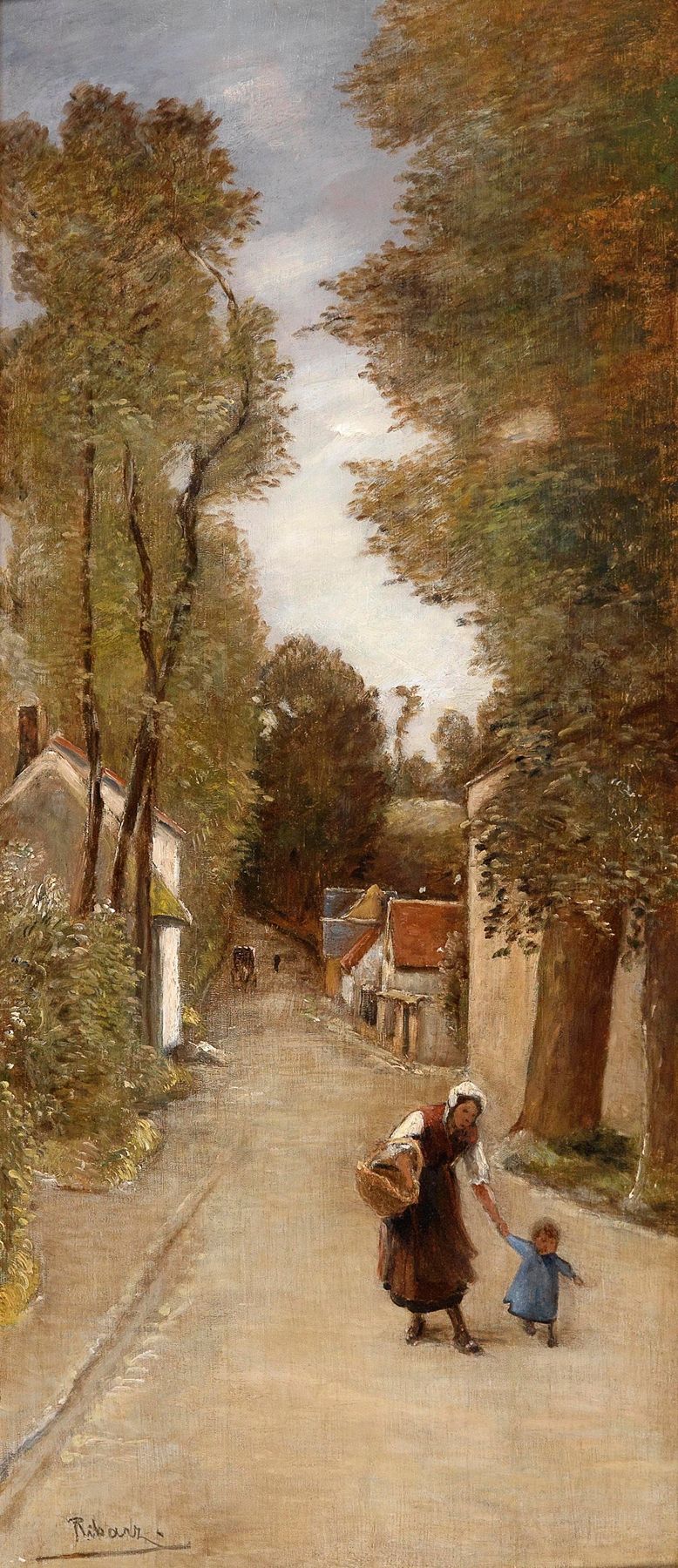
Dorfidylle
Rudolf Ribarz
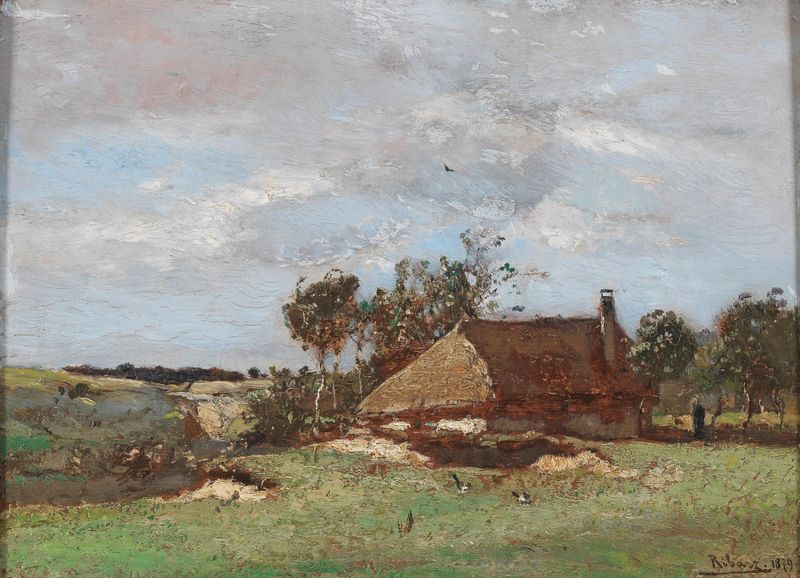
Landschaft mit Bauernhof
Rudolf Ribarz
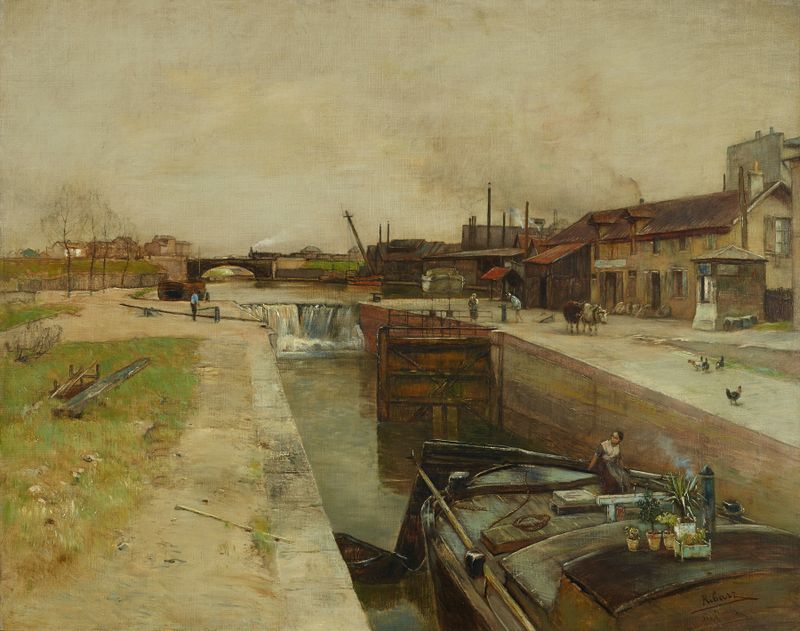
Schleuse am Kanal von St. Denis
Rudolf Ribarz





