
Dorp met twee torens — History & Facts
Can beauty exist without sorrow? In the delicate sweep of Dorp met twee torens, the viewer is invited to ponder the intertwining nature of celebration and longing. Look to the left, where the two towers rise majestically against a muted sky, their silhouettes a testament to the ambition of the village below. The warm earth tones of the buildings and the rich greens of the surrounding landscape invite you into a pastoral embrace, while the dappled light casts enchanting shadows. Notice how the gentle brushstrokes create a sense of movement in the clouds above, suggesting an impending change—an emotional undercurrent that belies the serene façade of village life. The juxtaposition of the towering structures against the humble homes speaks to a hidden tension between aspiration and reality.
Examine the small figures in the foreground, their activities seemingly mundane yet imbued with a sense of purpose—each represents a different facet of the human experience, echoing the collective desire for connection amid the vastness of the landscape. This interplay of scale draws the eye upward, evoking a sense of obsessive yearning for greatness, intertwined with the quiet simplicity of everyday existence. Created between 1610 and 1703, this piece emanates from a time of profound socio-cultural shifts across Europe. The artist, whose identity remains a mystery, likely witnessed the blend of emerging trade dynamics and the complex emotions of a changing world.
In this context, the painting reflects not only the aesthetic values of the era but also the enduring struggle to reconcile beauty with the deeper sorrows that define the human condition.
More Artworks by Unknown Artist
Browse all →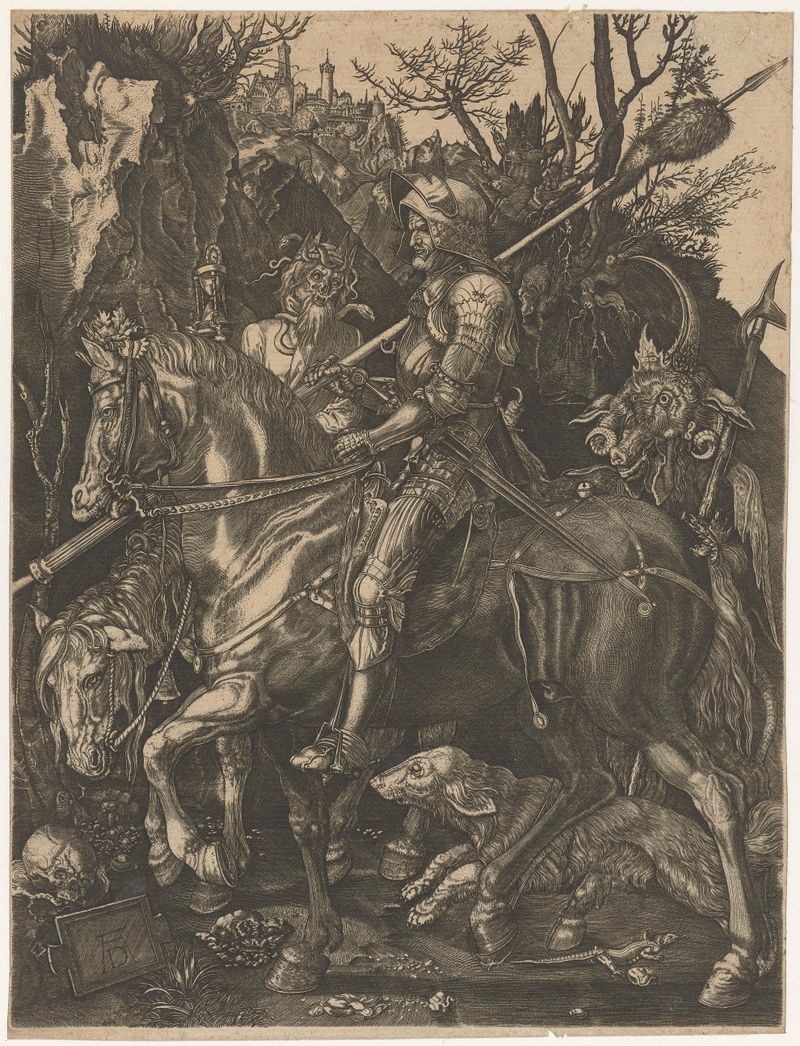
Ridder, Dood en Duivel
Unknown Artist
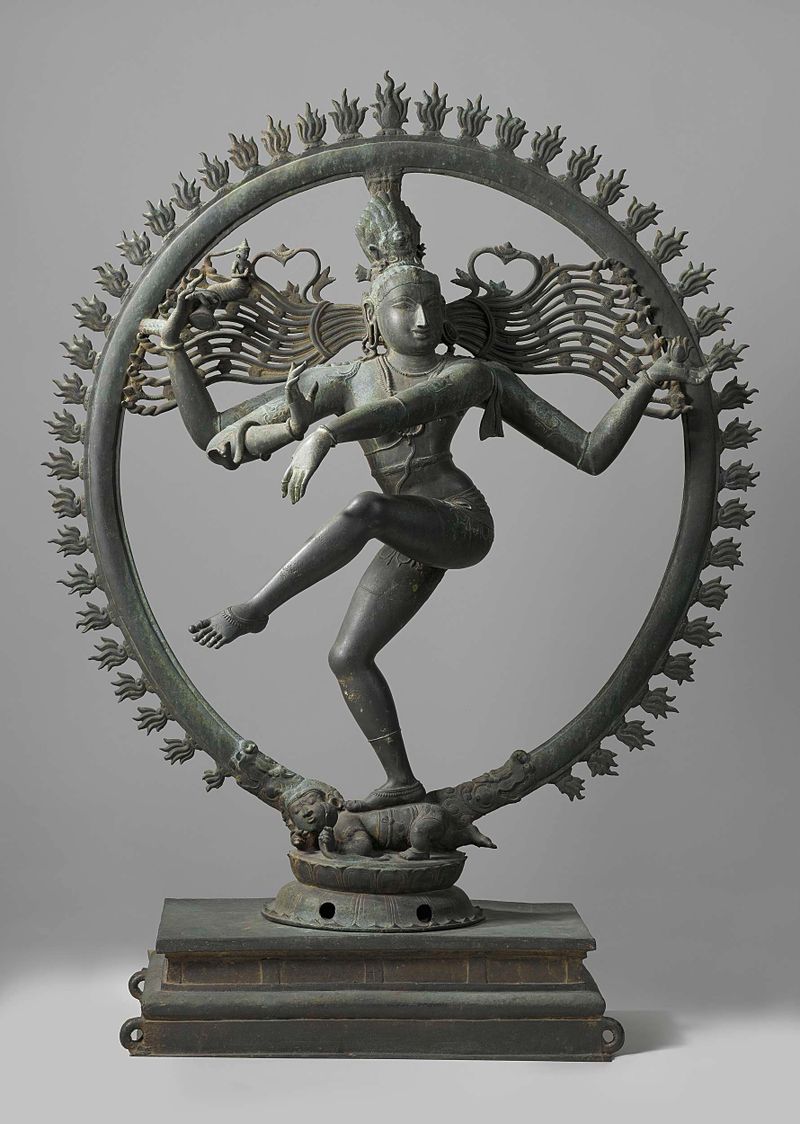
Shiva Nataraja
Unknown Artist
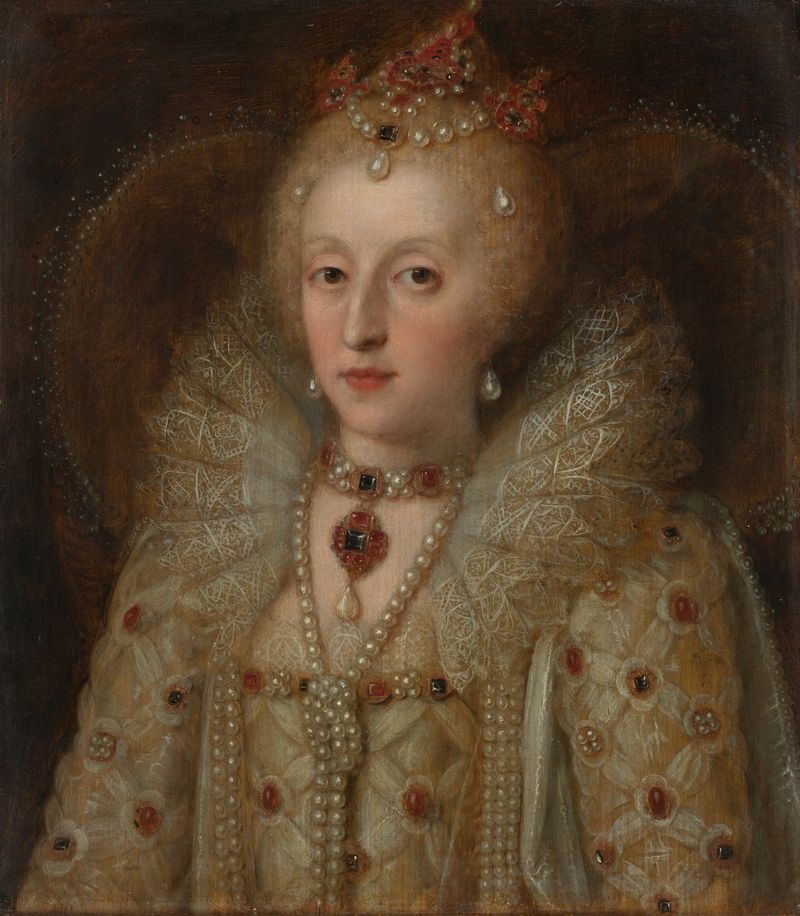
Portrait of Elizabeth I, Queen of England
Unknown Artist
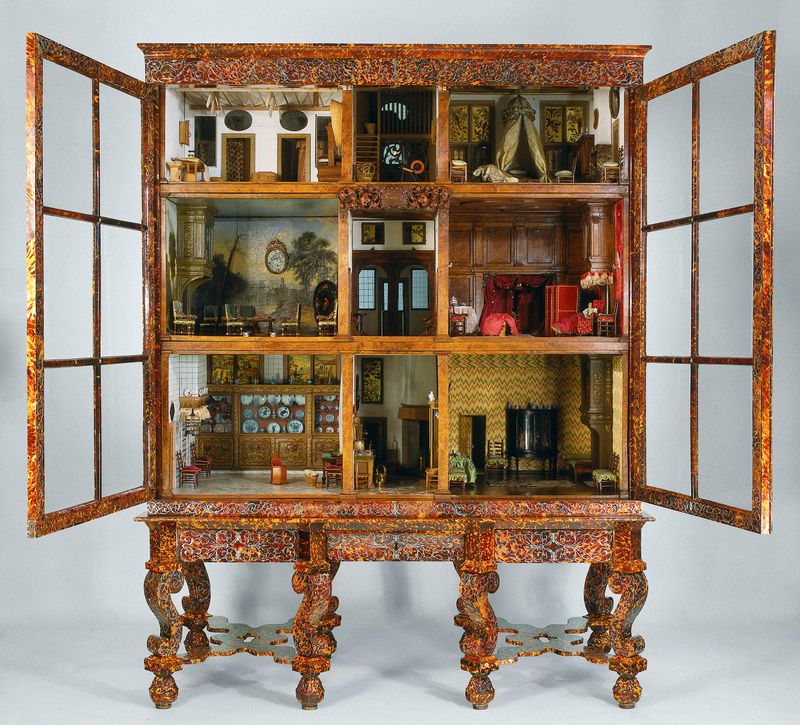
Dolls’ house of Petronella Oortman
Unknown Artist
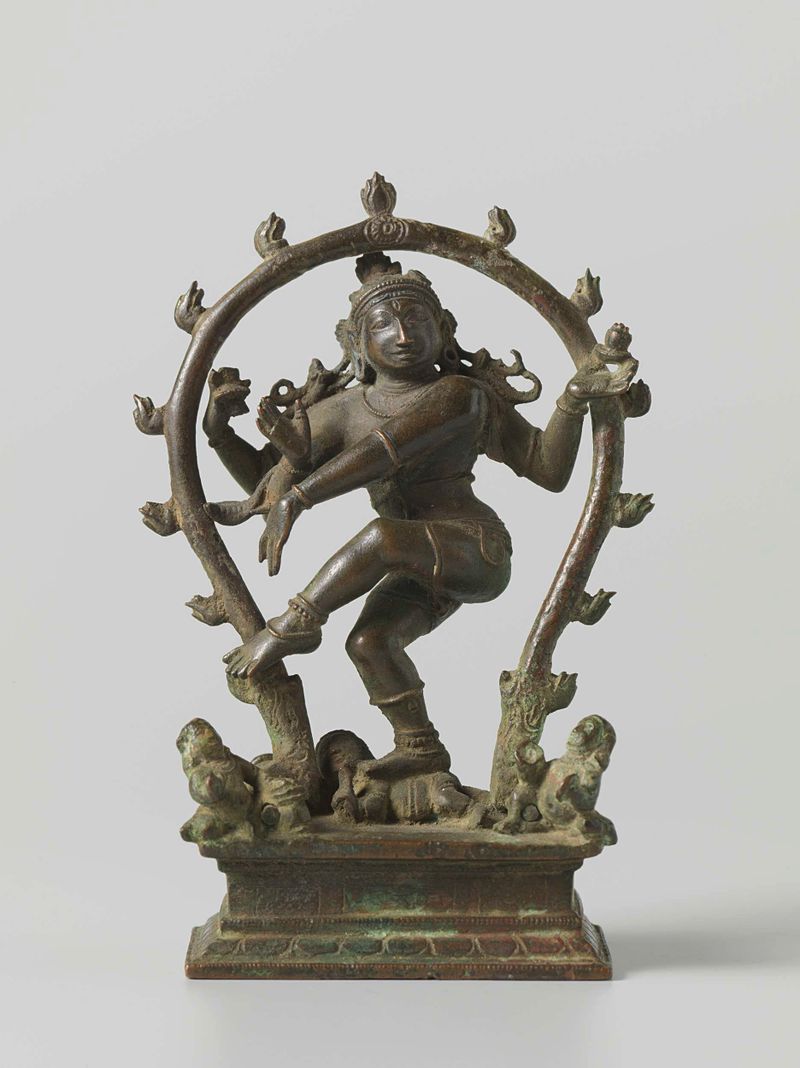
Shiva Nataraja
Unknown Artist

The Tale of Genji
Unknown Artist

The Tale of Genji
Unknown Artist

Cong
Unknown Artist
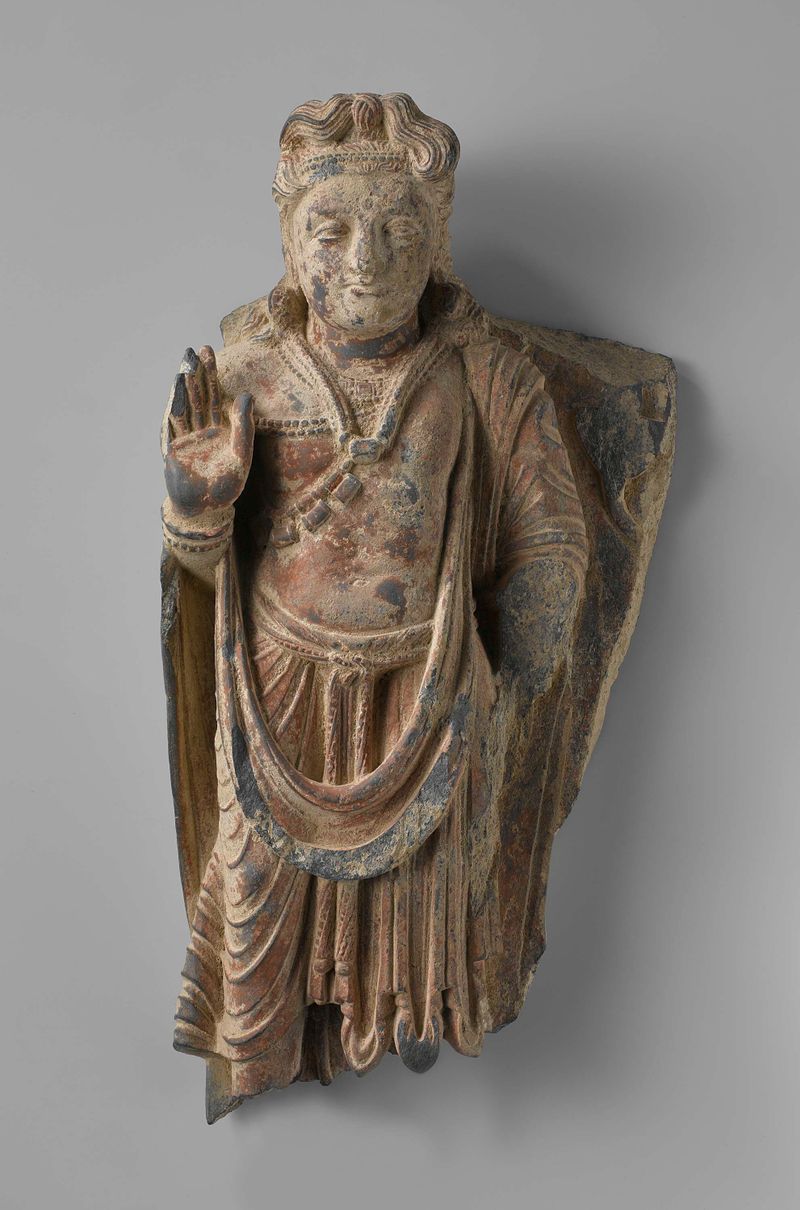
The bodhisattva Maitreya
Unknown Artist

Teabowl with a 'hare's fur' glaze
Unknown Artist





