Drie ganzen — History & Facts
When did color learn to lie? In Drie ganzen, hues of rich earth and soft light weave a narrative of faith that transcends the ordinary, beckoning the viewer to look deeper. Focus on the center of the canvas where three geese stand together, their white feathers stark against the muted browns and greens of their surroundings. The delicate brushwork captures the sheen of their plumage, and the subtle variations in tone create a lifelike texture. Notice how the light delicately illuminates their forms, shaping shadows that hint at movement and life.
This careful attention to detail invites both admiration and reflection, compelling us to pause and consider the significance of these creatures. The geese, symbols of loyalty and teamwork, embody a deeper emotional resonance in their unity. Each bird, distinct yet harmonious, may represent faith as a collective human experience, where individual beliefs converge to create a shared truth. The backdrop, with its earthy palette, suggests a connection to nature and the cycles of life, inviting contemplation of our own place within this intricate tapestry. This work emerged in 1610, a time when the Northern Netherlands was experiencing a flourishing of artistic expression amidst socio-political changes.
The artist remains unknown, but this period marked a shift towards realism and a focus on domestic scenes in Dutch art. Surrounded by such innovation, the creator of Drie ganzen captured a moment that speaks to the essence of community and the simple beauty found in nature’s creatures.
More Artworks by Unknown Artist
Browse all →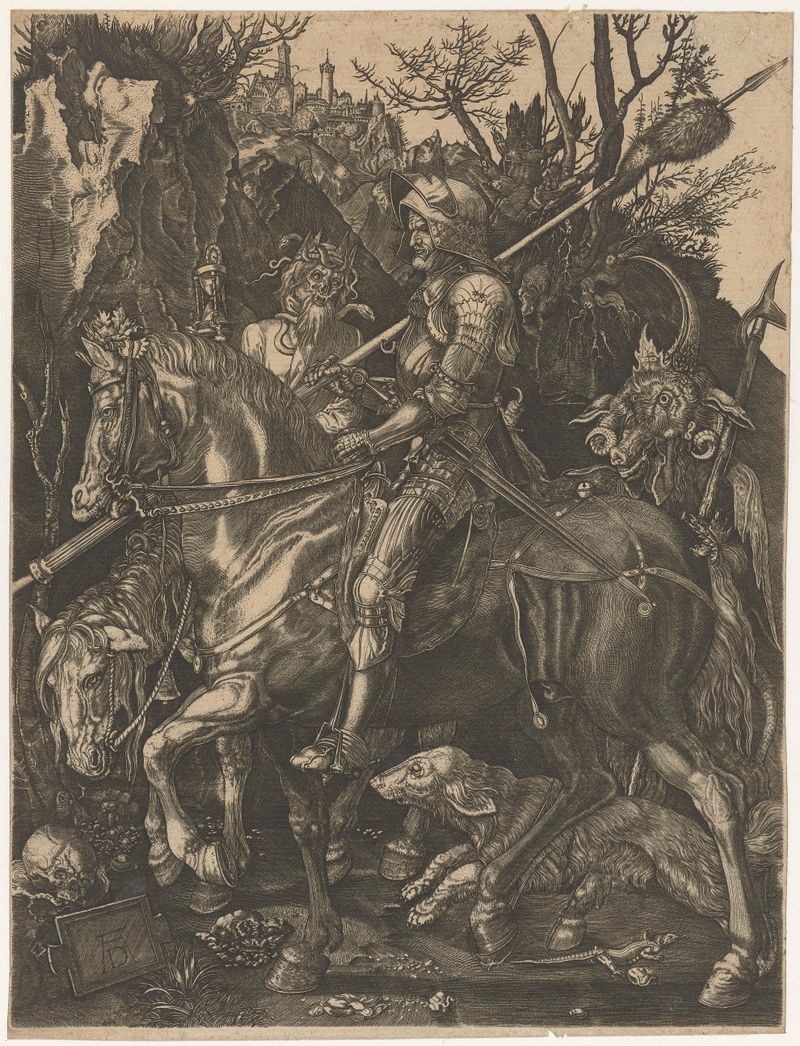
Ridder, Dood en Duivel
Unknown Artist
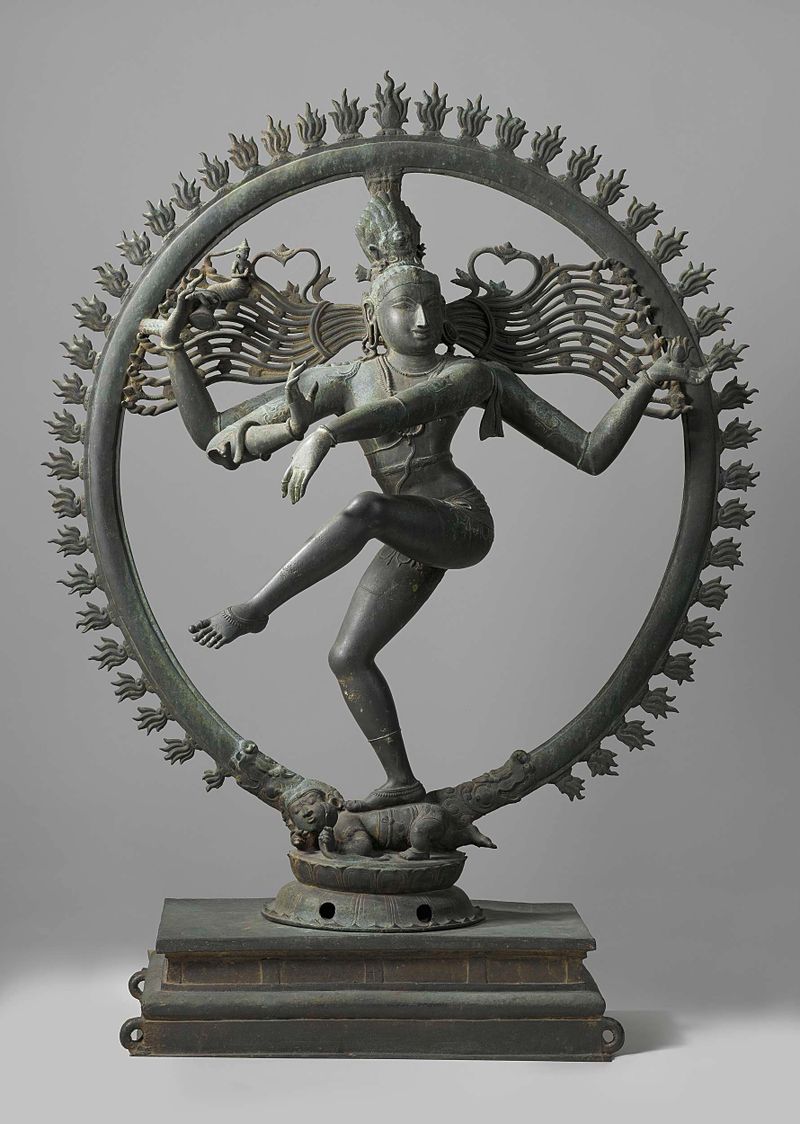
Shiva Nataraja
Unknown Artist
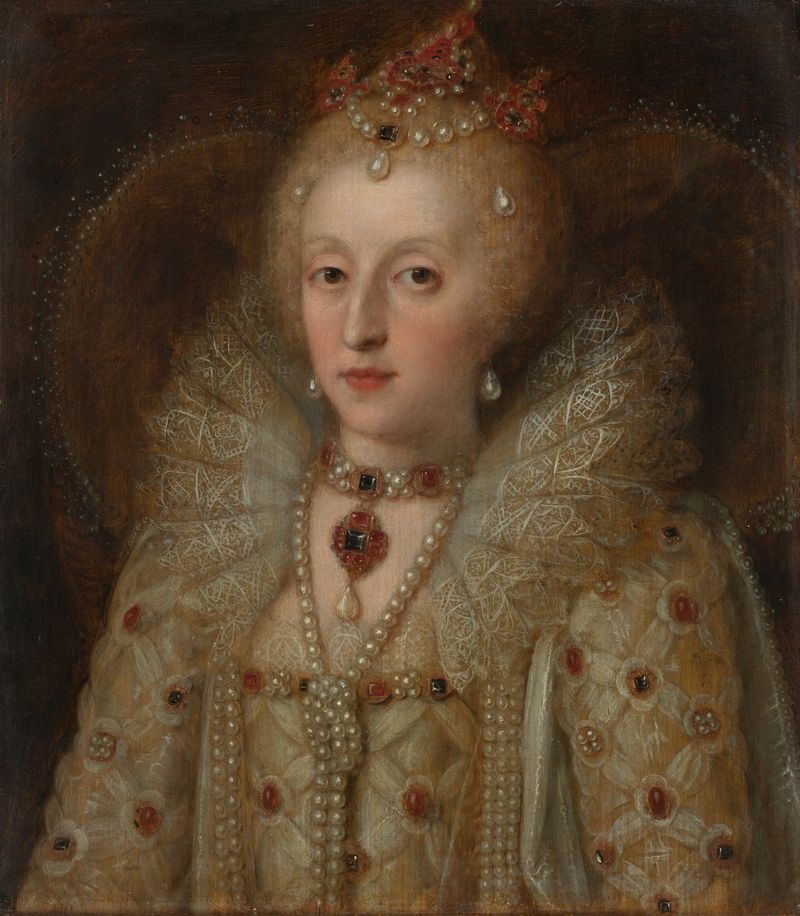
Portrait of Elizabeth I, Queen of England
Unknown Artist

Dolls’ house of Petronella Oortman
Unknown Artist
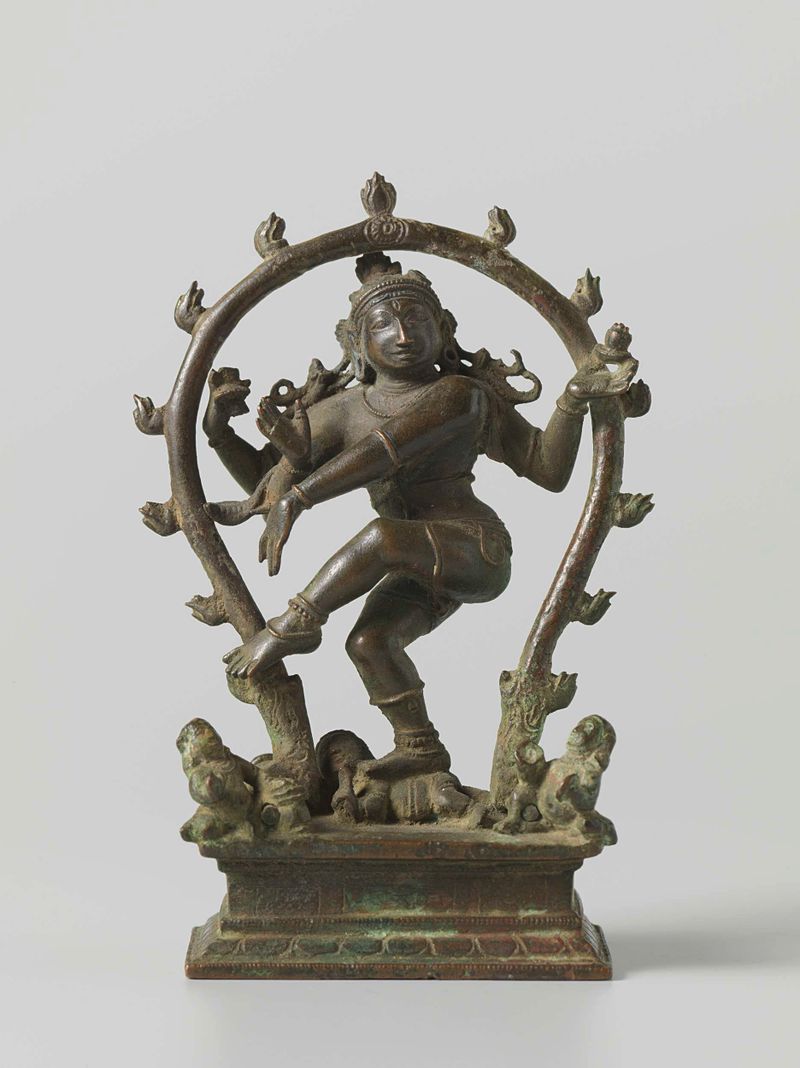
Shiva Nataraja
Unknown Artist

The Tale of Genji
Unknown Artist

The Tale of Genji
Unknown Artist

Cong
Unknown Artist
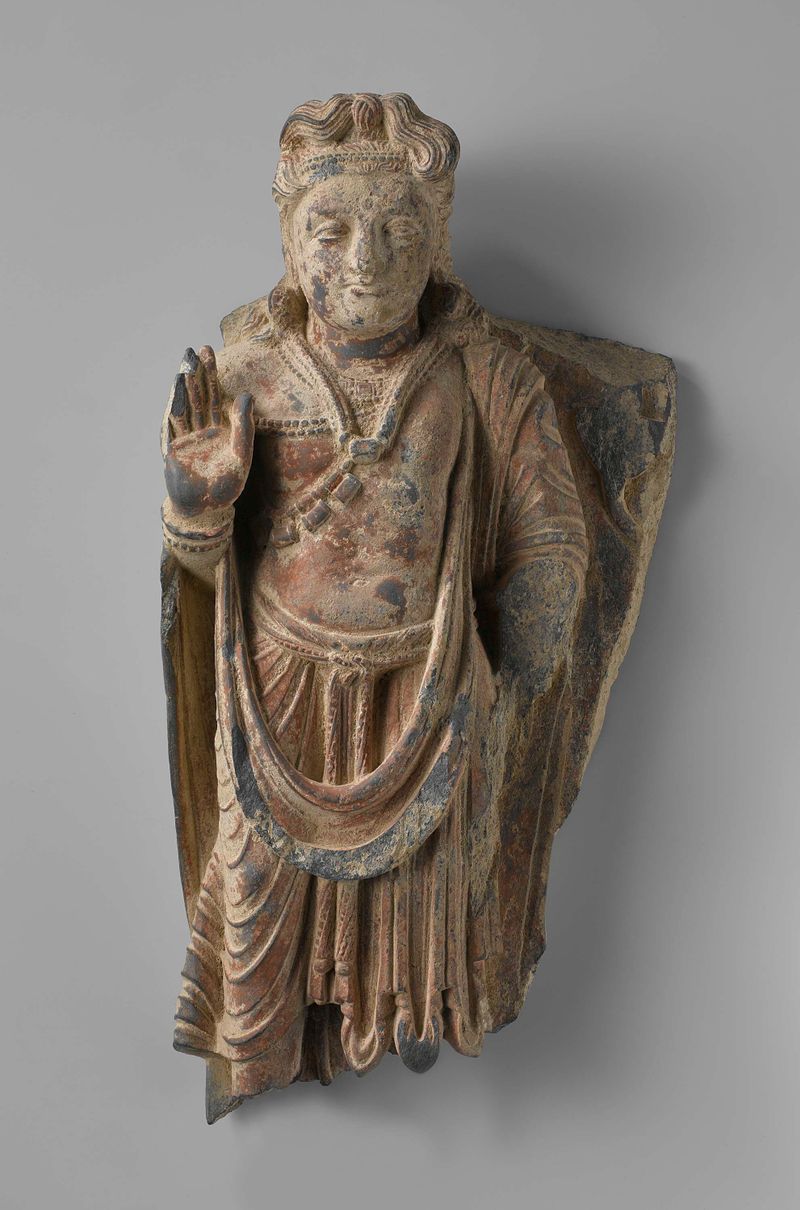
The bodhisattva Maitreya
Unknown Artist

Teabowl with a 'hare's fur' glaze
Unknown Artist