Duckinfield, Cheshire — History & Facts
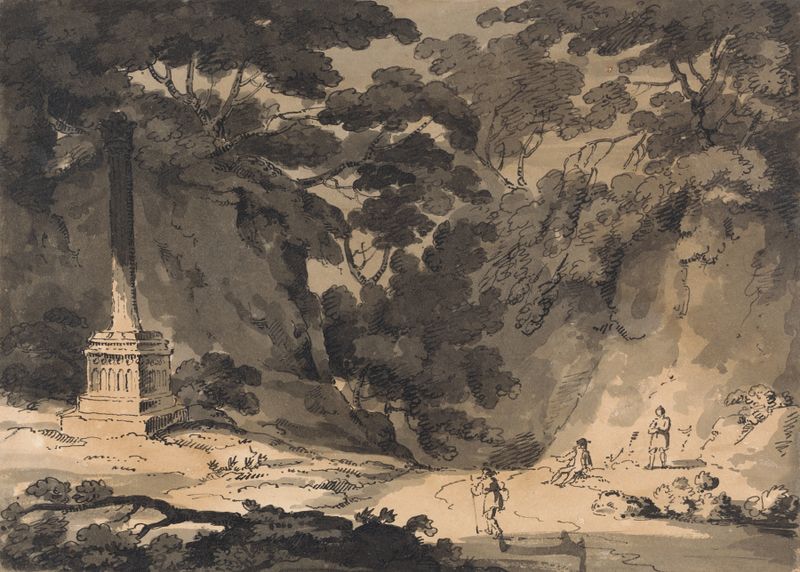
What secret hides in the quiet of the canvas? Duckinfield, Cheshire whispers tales of melancholy and stillness, inviting viewers to delve into the depths of its serene landscape. Focus on the horizon where the silhouette of rolling hills meets the muted sky, a soft blend of grays and blues that suggests the weight of forgotten memories. The artist employs delicate brushwork to create a sense of depth, leading the eye gently through the scene. Notice how the trees, standing sentinel-like, create silhouettes that filter the light, enforcing a quiet solitude that envelops the composition. This landscape captures a moment suspended in time, where nature's beauty is tinged with a sense of loss.
The sparse details in the foreground contrast with the expansive backdrop, revealing an emotional tension between the present and the past. The subdued palette evokes a feeling of nostalgia, as if the land itself mourns what once was, while inviting reflection on the passage of time. John Skippe painted Duckinfield, Cheshire in 1772, during a period that marked the transition from the tumult of the 18th-century Enlightenment into a more introspective Romantic era. Residing in England, he found inspiration in the tranquil surroundings of Cheshire, reflecting a growing appreciation for natural landscapes in art.
The painting speaks to a moment when the world was becoming increasingly complex, yet the heart longed for the simplicity and calm of untouched nature.