
Tall Monument at a Roadside — History & Facts
What if silence could speak through light? In moments of solitude, it whispers of longing and the echoes of the past, waiting to be fully understood. As you engage with the artwork, look to the center where the monument stands tall against a muted backdrop. The structure commands attention, its form bold yet imbued with a sense of vulnerability. Notice how the soft light caresses the edges, creating a delicate interplay of shadow and luminescence that draws your gaze deeper into the scene.
The surrounding hues—subtle grays and earthy tones—encapsulate the monument, emphasizing its significance against the vastness of emptiness. Examining the details, consider the contrast between rigidity and softness: the stark, unyielding lines of the monument juxtaposed with the fluidity of nature surrounding it. This juxtaposition speaks to the inherent tension of memory and the passage of time. The yearning present in the silence creates a dialogue about what has been lost and the hope embedded in remembrance, inviting viewers to reflect on their own stories and connections to the past. Created in a time when the ethos of quiet introspection was gaining traction, the artist produced this piece during a period marked by psychological exploration in the art world.
While specific dates for the creation remain unknown, it embodies the essence of a transformative moment in art history that sought to capture not just the visual, but the emotional resonance of solitude and remembrance.
More Artworks by John Skippe
Browse all →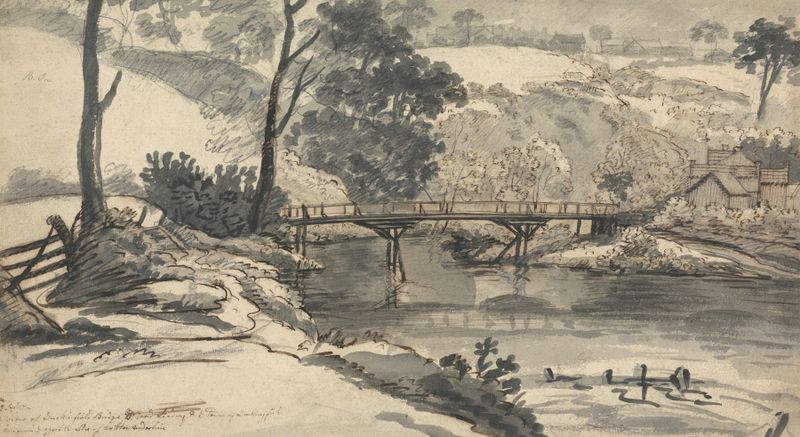
More Architecture Art
Browse all →
The statue of Liberty
Frédéric Auguste Bartholdi

View of Houses in Delft, Known as ‘The Little Street’
Johannes Vermeer

View of Houses in Delft, Known as ‘The Little Street’
Johannes Vermeer

The Cathedral in Rouen. The portal, Grey Weather
Claude Monet

The yellow house
Vincent van Gogh

The Church in Auvers-sur-Oise, View from the Chevet
Vincent van Gogh