
Ealing House, Middlesex — History & Facts
In the play of light and shadow, a story unfolds quietly, waiting to be discovered. Look to the left at the soft, muted tones of the house, where warm ochres blend seamlessly with cool grays. The delicate brushwork captures the subtle variations of light as it caresses the surface, creating a sense of intimacy with the structure. Notice how the shadows cling to the building’s edges, as if they are reluctant to let go, imbuing the composition with a palpable tension that invites curiosity. As you delve deeper, consider the serene garden that surrounds the house, an oasis of life juxtaposed against the stillness of architecture.
The interplay of light suggests a tranquil afternoon, yet the shadows cast by the trees hint at an underlying uncertainty. This contrast evokes the complexities of domestic life, wherein joy and melancholy coexist in harmony. The faded hues create a nostalgic atmosphere, whispering secrets of the past that resonate with anyone who takes the time to look. Charles Tomkins painted this work during a period that saw shifts in artistic expression.
While the exact date remains unknown, he was active in the 19th century, a time when artists began to explore realism and the nuances of light and shadow more profoundly. His work reflects a transitional moment in British art, where the focus on everyday scenes marked a departure from grand historical narratives, revealing a burgeoning appreciation for the beauty found in the ordinary.
More Artworks by Charles Tomkins
Browse all →
Swakeley House, Middlesex
Charles Tomkins

Shrewsbury House, Isleworth, Middlesex
Charles Tomkins
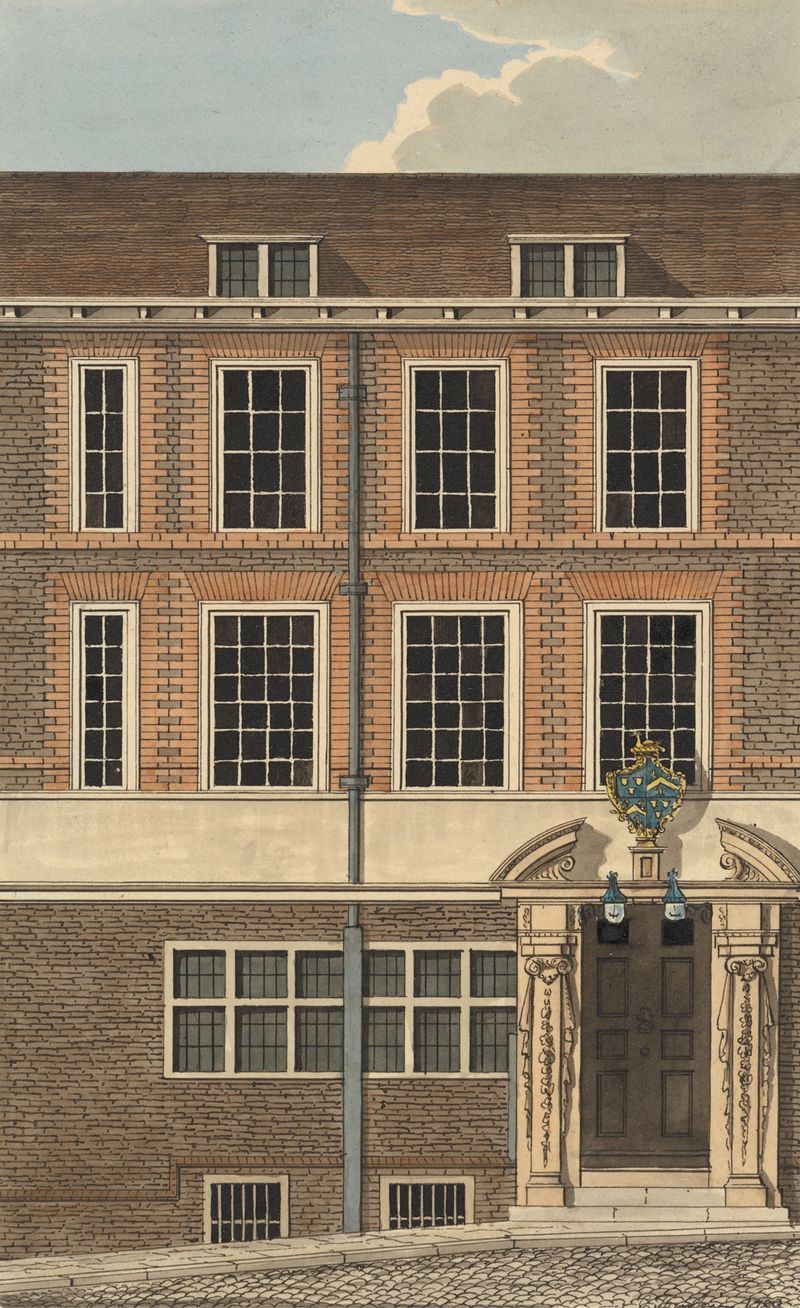
Painter-Stainers’ Hall
Charles Tomkins

Goodman’s Field Theatre
Charles Tomkins

Boston Manor, Brentford, Middlesex
Charles Tomkins
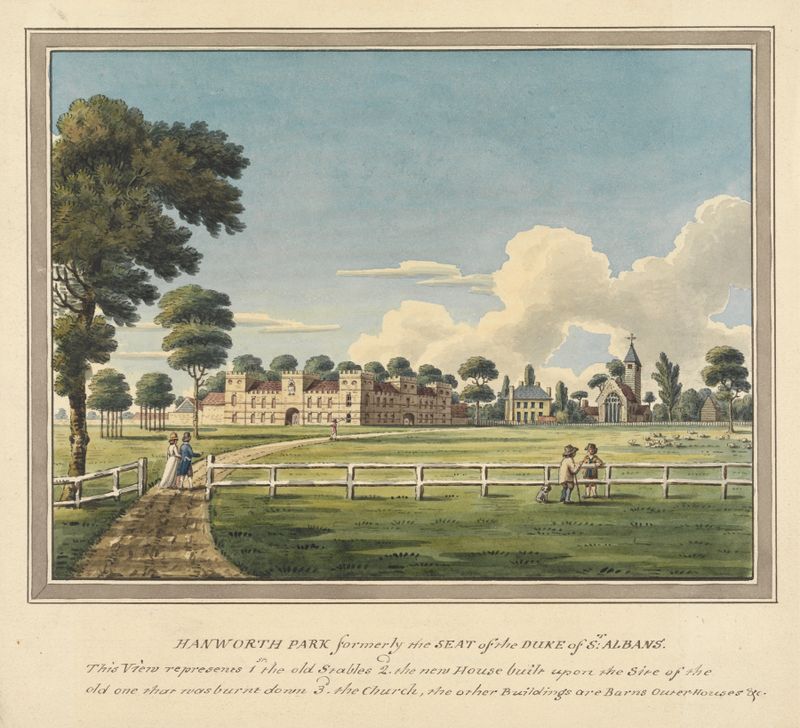
Hanworth Park, Middlesex
Charles Tomkins
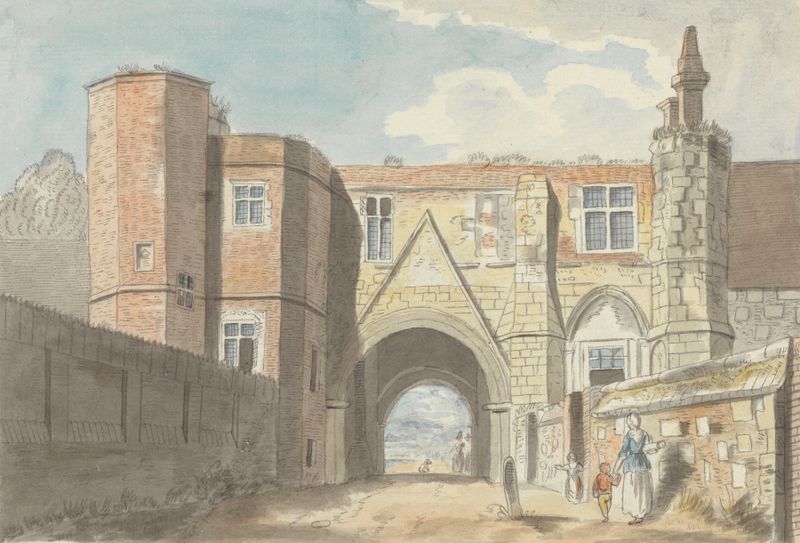
Reading Gate-Way
Charles Tomkins
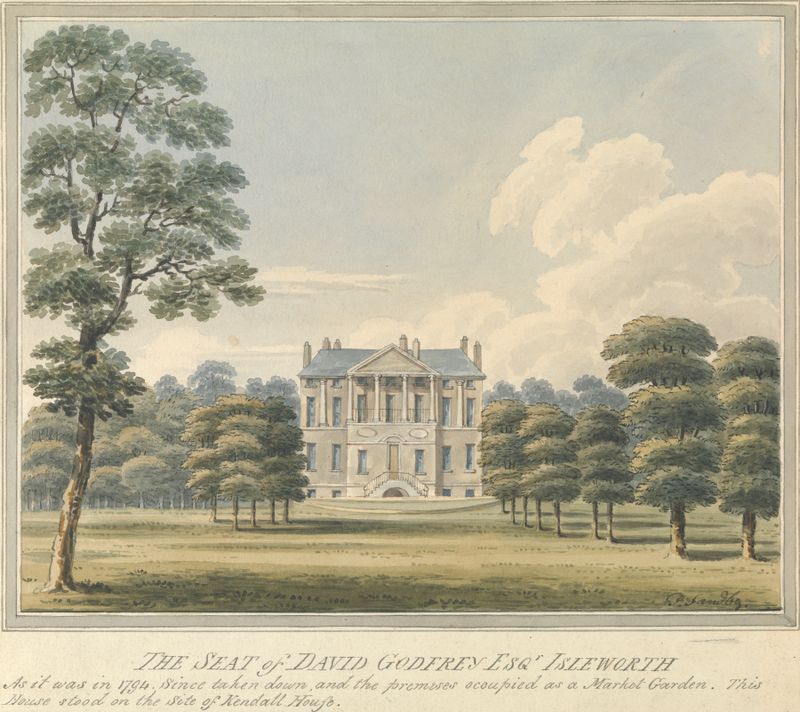
Seat of David Godfrey, Isleworth, Middlesex
Charles Tomkins
More Architecture Art
Browse all →
The statue of Liberty
Frédéric Auguste Bartholdi

View of Houses in Delft, Known as ‘The Little Street’
Johannes Vermeer

View of Houses in Delft, Known as ‘The Little Street’
Johannes Vermeer

The Cathedral in Rouen. The portal, Grey Weather
Claude Monet

The yellow house
Vincent van Gogh

The Church in Auvers-sur-Oise, View from the Chevet
Vincent van Gogh