
Swakeley House, Middlesex — History & Facts
In the stillness of Swakeley House, hope lingers like the faintest whisper, echoing through the grand architecture and forgotten halls. The quietude invites contemplation, urging the observer to explore the hidden stories nestled within its walls. This serene yet charged atmosphere evokes an emotional resonance, hinting at long-lost dreams and untold narratives. Look to the expansive façade of the house, where the light dances upon the stone, illuminating the intricate details of its design.
Notice how the shadows play along the edges, revealing a contrast between clarity and obscurity. The muted palette, dominated by soft earth tones and gentle greens, creates a sense of harmony, while the carefully composed symmetry invites balance and stability. Each brushstroke is deliberate, capturing the essence of a place steeped in history. Delving deeper, one can sense the tension between decay and preservation.
The weathered surfaces reflect a bygone era, teeming with life yet now silent, inviting reflections on time’s inevitable passage. In the delicate interplay of light and shadow, there lies a poignant reminder of hope – the potential for renewal, even amid desolation. Each element within the painting captures both the weight of memory and the promise of what could still be, a connection to the past that breathes life into the present. Charles Tomkins painted Swakeley House at a time when the art world was beginning to embrace Romanticism, often celebrating the sublime in nature and architecture.
Active in the late 18th to early 19th century, he navigated a shifting cultural landscape, where traditional forms met the new sensibilities of emotional expression. Although the exact date of this work remains unknown, it reflects both the historical significance of its subject and the artist's keen observation of the world around him.
More Artworks by Charles Tomkins
Browse all →
Shrewsbury House, Isleworth, Middlesex
Charles Tomkins
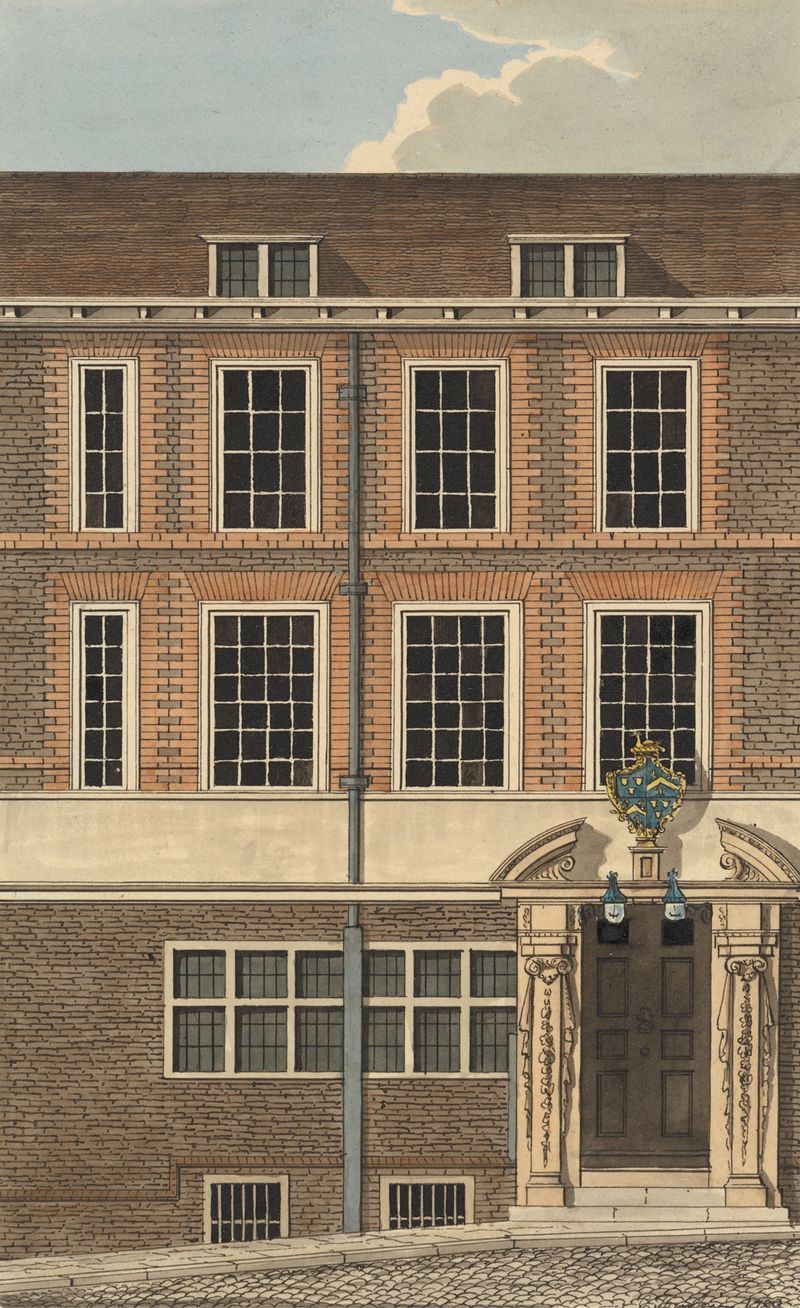
Painter-Stainers’ Hall
Charles Tomkins
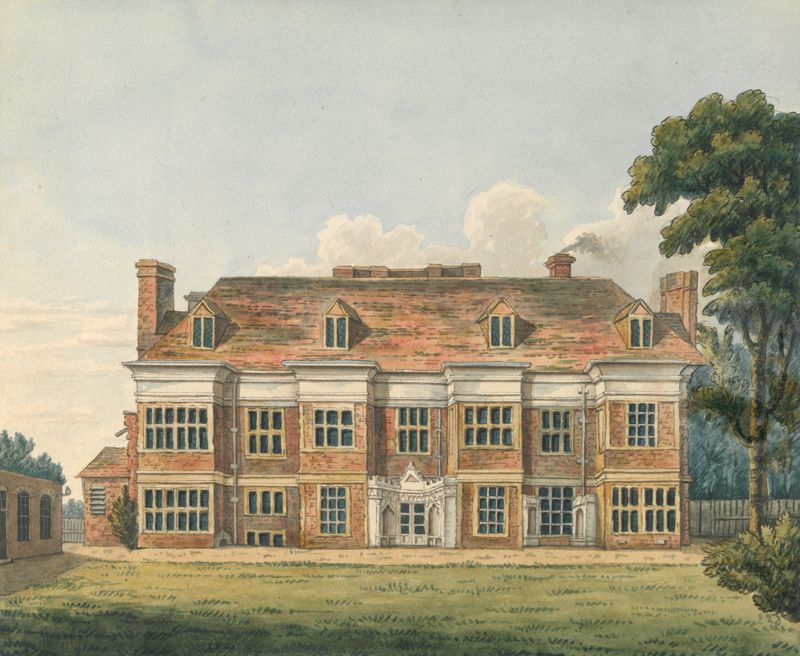
Ealing House, Middlesex
Charles Tomkins

Goodman’s Field Theatre
Charles Tomkins

Boston Manor, Brentford, Middlesex
Charles Tomkins
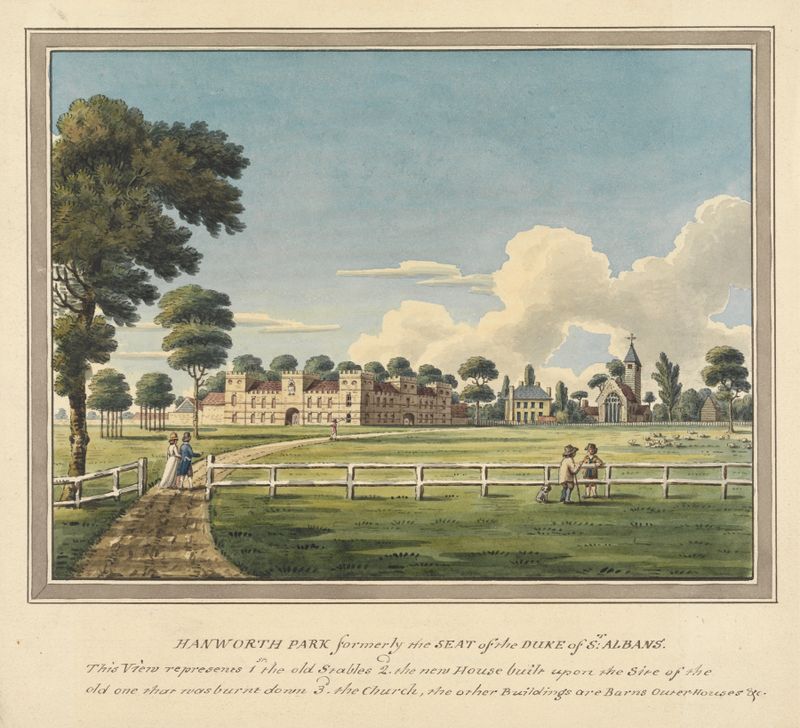
Hanworth Park, Middlesex
Charles Tomkins
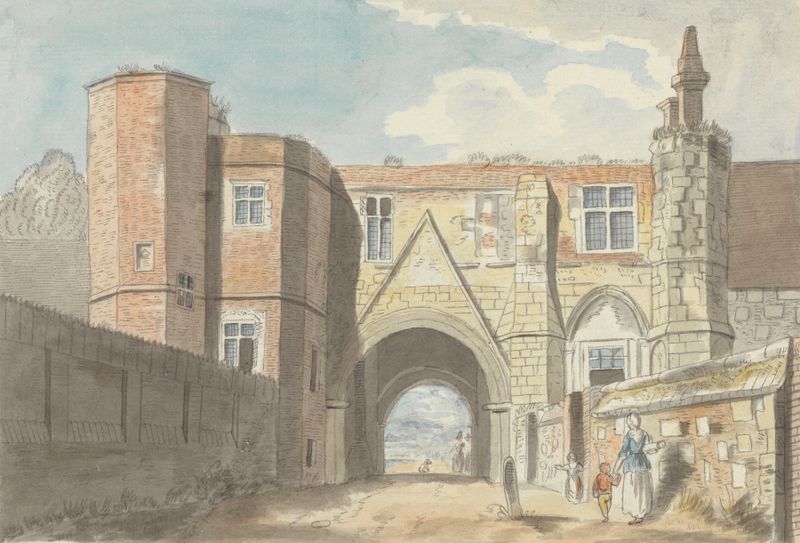
Reading Gate-Way
Charles Tomkins
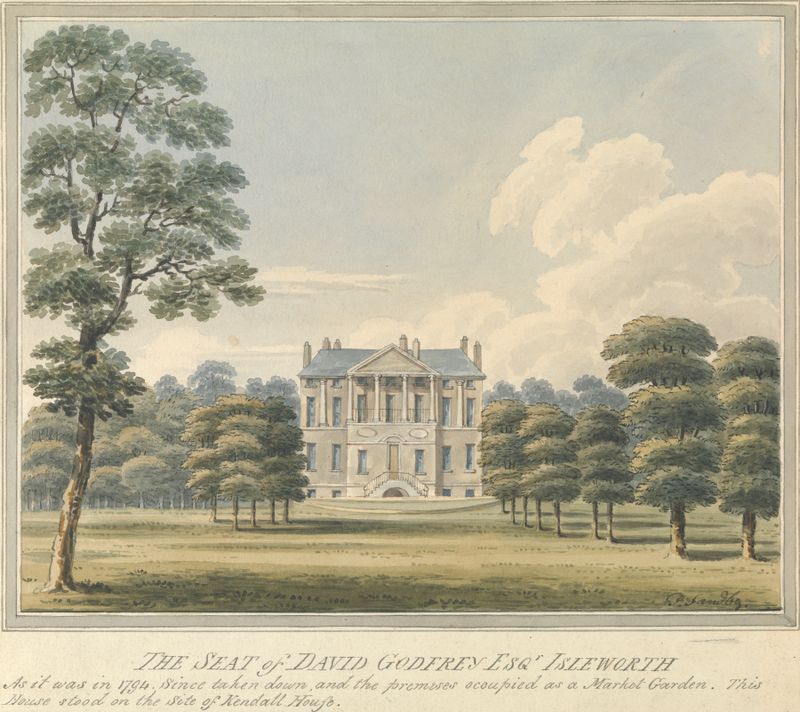
Seat of David Godfrey, Isleworth, Middlesex
Charles Tomkins
More Architecture Art
Browse all →
The statue of Liberty
Frédéric Auguste Bartholdi

View of Houses in Delft, Known as ‘The Little Street’
Johannes Vermeer

View of Houses in Delft, Known as ‘The Little Street’
Johannes Vermeer

The Cathedral in Rouen. The portal, Grey Weather
Claude Monet

The yellow house
Vincent van Gogh

The Church in Auvers-sur-Oise, View from the Chevet
Vincent van Gogh