
Edge of a wood — History & Facts
In the stillness of nature, a profound sense of awe envelops the viewer, inviting contemplation of the unseen stories that linger in the air. Look to the left, where the sun filters through towering trees, casting dappled shadows across the forest floor. The vibrant greens of the foliage contrast against earthy browns, creating a harmonious palette that speaks to both the tranquility and vitality of the scene. A winding path draws the eye deeper into the woods, inviting the viewer to imagine further exploration and discovery beyond the frame. Amidst the serene beauty, subtle tensions emerge.
The juxtaposition of light and shadow mirrors life’s dualities—hope and uncertainty, freedom and confinement. The scattered leaves and fallen branches hint at the inevitable passage of time and the cycles of nature, while the delicate play of sunlight evokes a sense of fleeting wonder, as if to remind us that every moment, though quiet, is full of significance. Jakob Becker painted this work in 1850, during a time when the Romantic movement was flourishing in art. Living in Germany, he was influenced by the emerging fascination with nature and the emotional depth it could convey.
During this period, artists were increasingly exploring the relationship between humanity and the natural world, seeking to capture the sublime in everyday landscapes, a theme that resonates deeply in this evocative piece.
More Artworks by Jakob Becker
Browse all →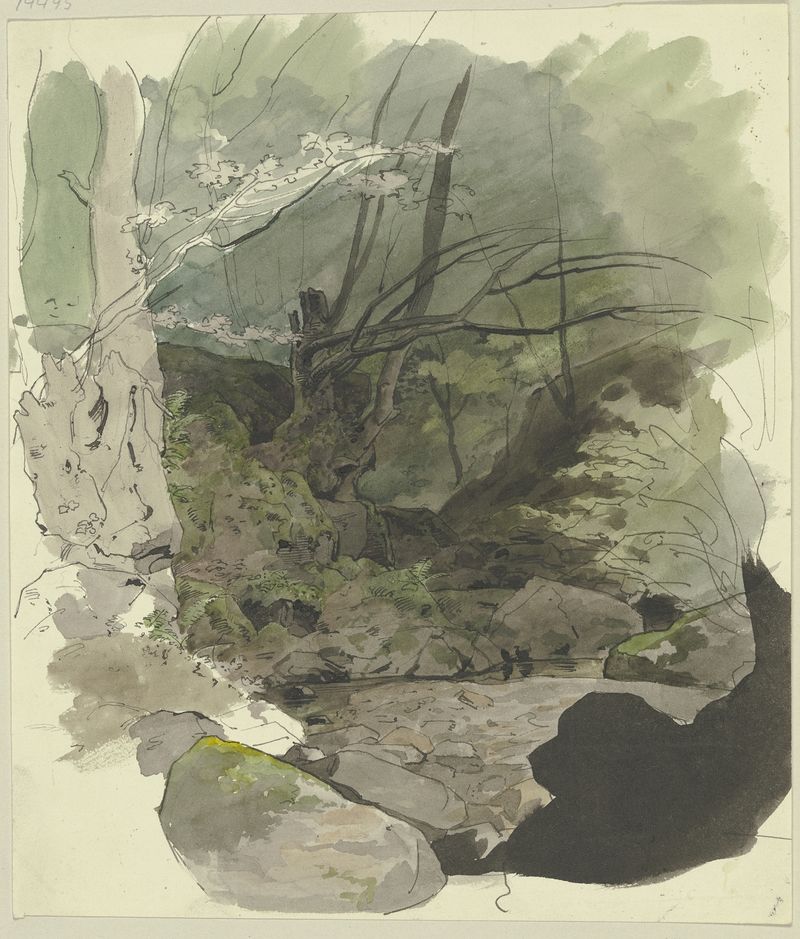
Waldbach
Jakob Becker

Farm at the edge of the forest
Jakob Becker
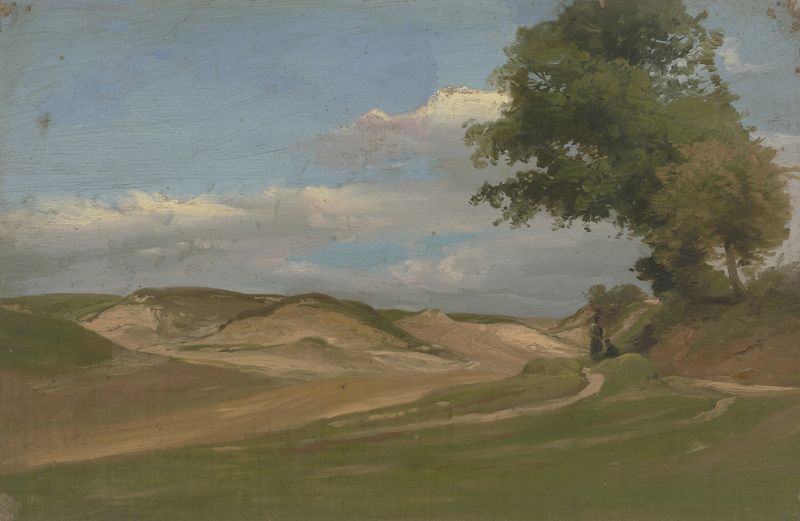
Two farmers by the wayside
Jakob Becker
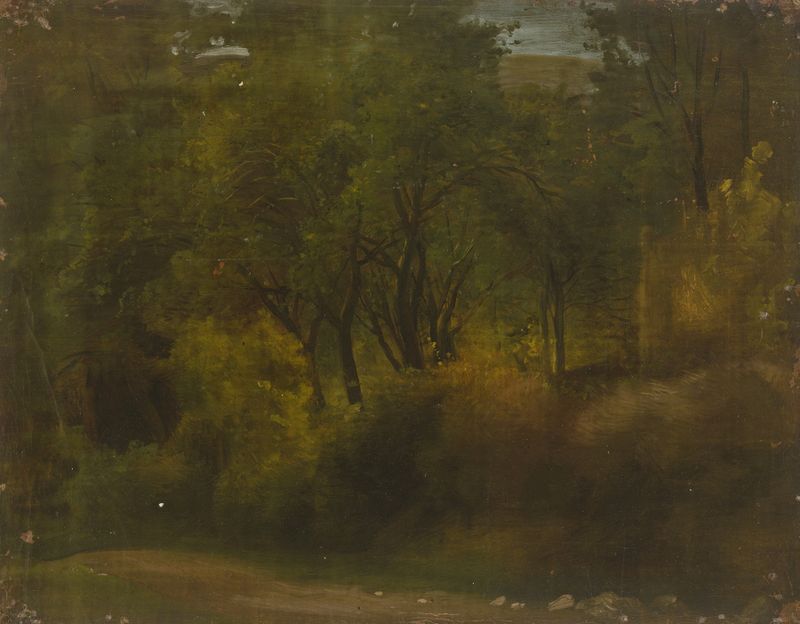
Inside a forest.
Jakob Becker
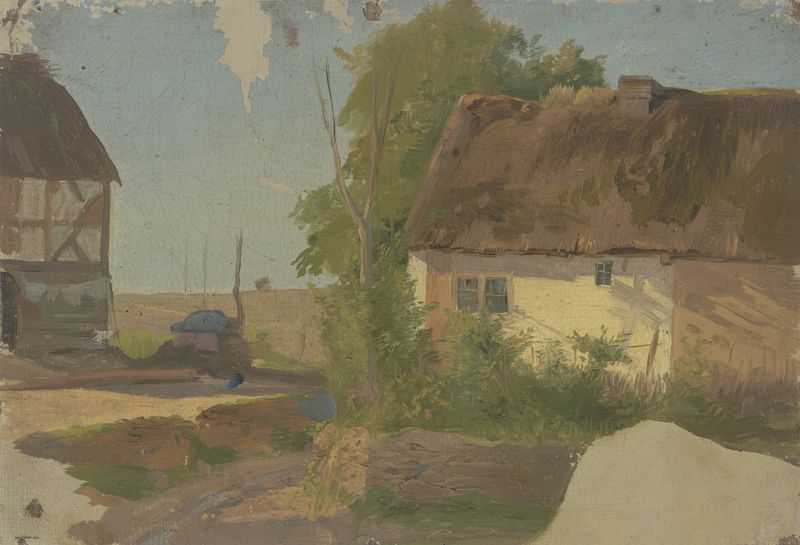
Farm house
Jakob Becker
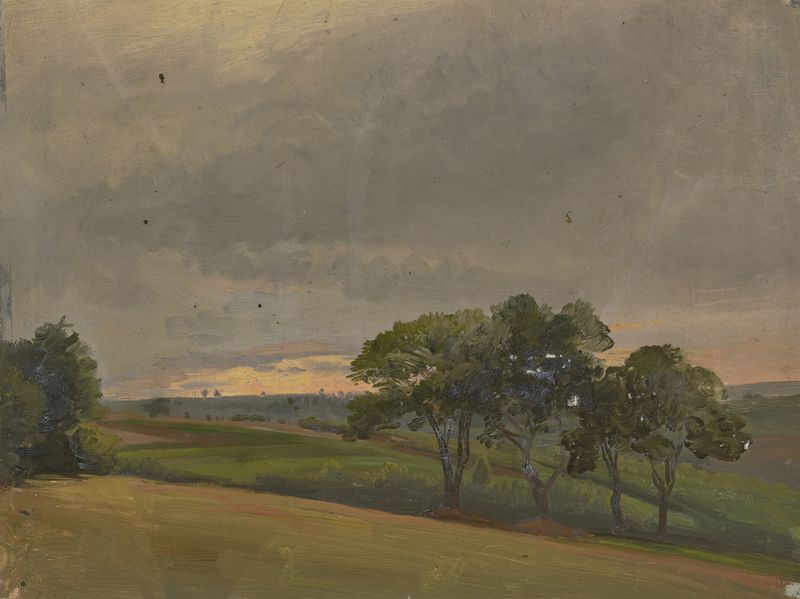
Evening meadow with trees
Jakob Becker
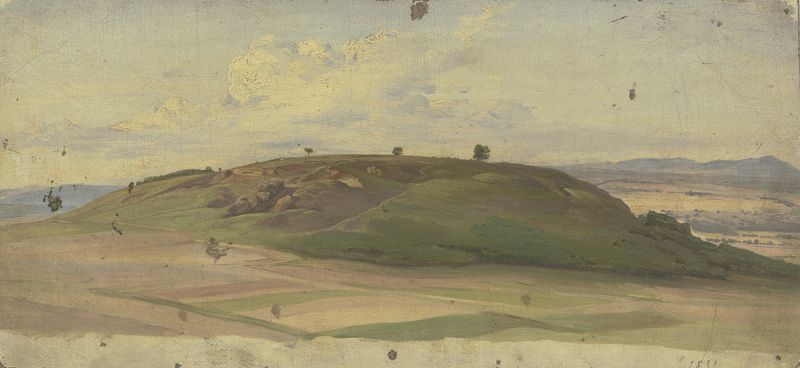
Hill with field and meadow
Jakob Becker
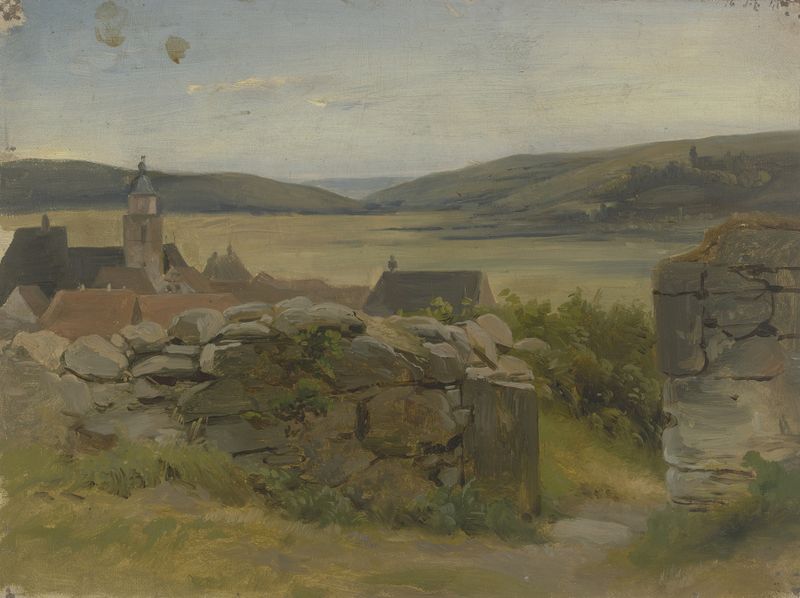
Kleines Dorf mit Blick auf Wiese
Jakob Becker

Tree
Jakob Becker

Höchst castle
Jakob Becker





