
Eiche am Waldrand und pflügender Bauer — History & Facts
What if silence could speak through light? In the delicate interplay between nature and labor, moments of awakening unfold, quietly whispering the stories of life and toil. Focus on the vibrant verdant greens that flourish under a gentle sun, illuminating the plowed earth to the left. The sturdy oak tree stands sentinel at the forest's edge, its broad trunk grounding the scene, while the farmer, hunched over in earnest dedication, embodies the rhythm of the land. Notice how the light cascades through the tree's leaves, creating dappled patterns that contrast starkly with the dark soil, evoking a sense of harmony and balance between the elements. Hidden within this tranquil tableau lies a poignant contrast: the enduring strength of nature versus the ephemeral nature of human effort.
The oak tree, unwavering and ancient, symbolizes stability and permanence, while the act of plowing signifies the ceaseless cycle of seasons and labor. The farmer's solitary posture hints at both connection and isolation—a testament to the eternal dialogue between humanity and the earth that nourishes it. In 1867, Adolf Heinrich Lier was immersed in the Romantic tradition in Germany, a time when artists were exploring themes of nature and everyday life. Working primarily in his native region, he sought to capture the essence of rural existence through meticulous observation and emotive landscapes.
As the world around him began to industrialize, Lier’s focus on agricultural life and its relationship with nature offered a poignant reminder of the simplicity and beauty that lay in the heart of the countryside.
More Artworks by Adolf Heinrich Lier
Browse all →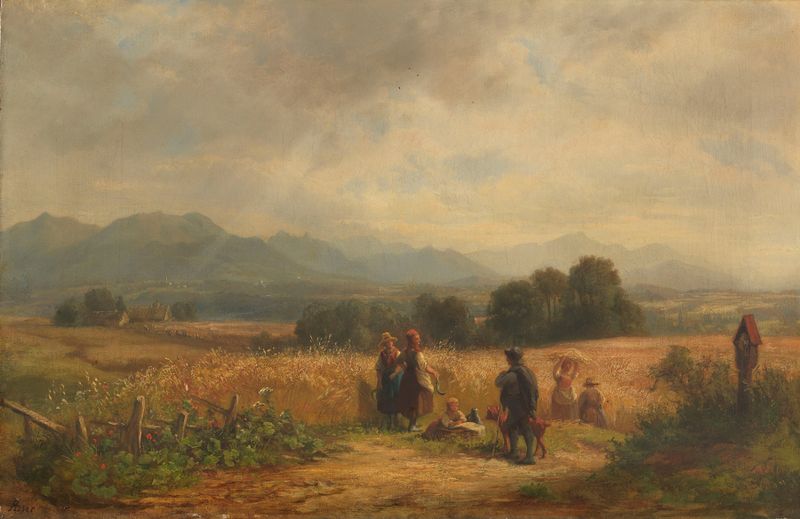
Erntetag in Oberbayern bei Habach
Adolf Heinrich Lier

Waldinneres
Adolf Heinrich Lier
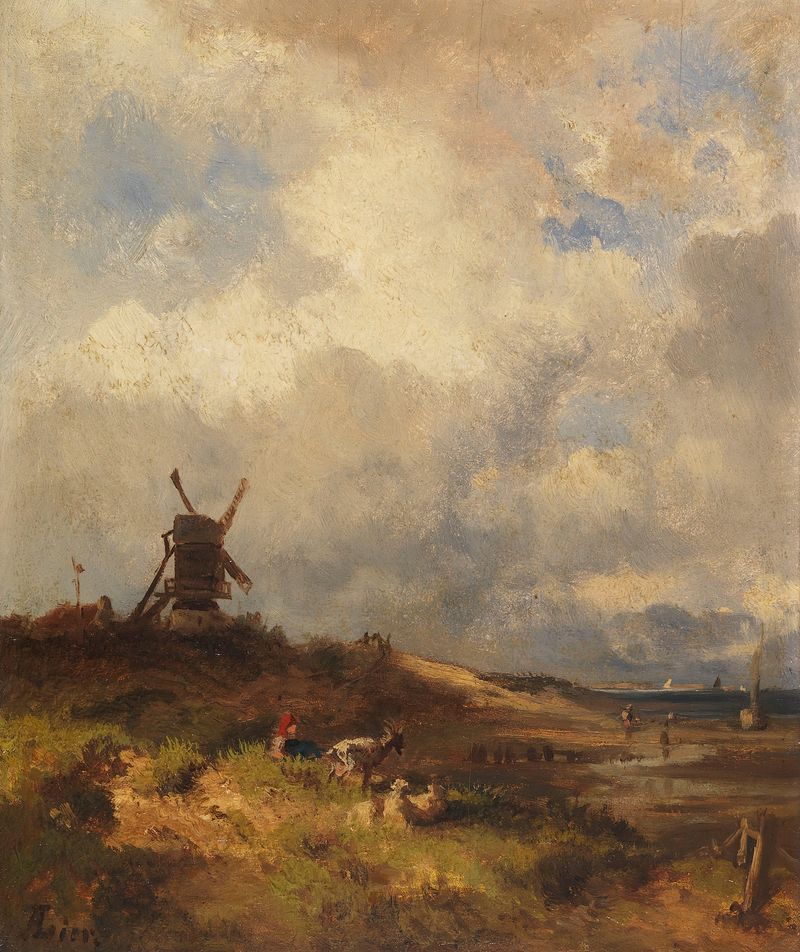
Küstenlandschaft mit Windmühle
Adolf Heinrich Lier

Grain Harvest in the Mountain
Adolf Heinrich Lier

Fischer am Seeufer
Adolf Heinrich Lier

Landschaft bei Murnau
Adolf Heinrich Lier

Herbstlandschaft am Abend mit heimkehrender Schafherde
Adolf Heinrich Lier
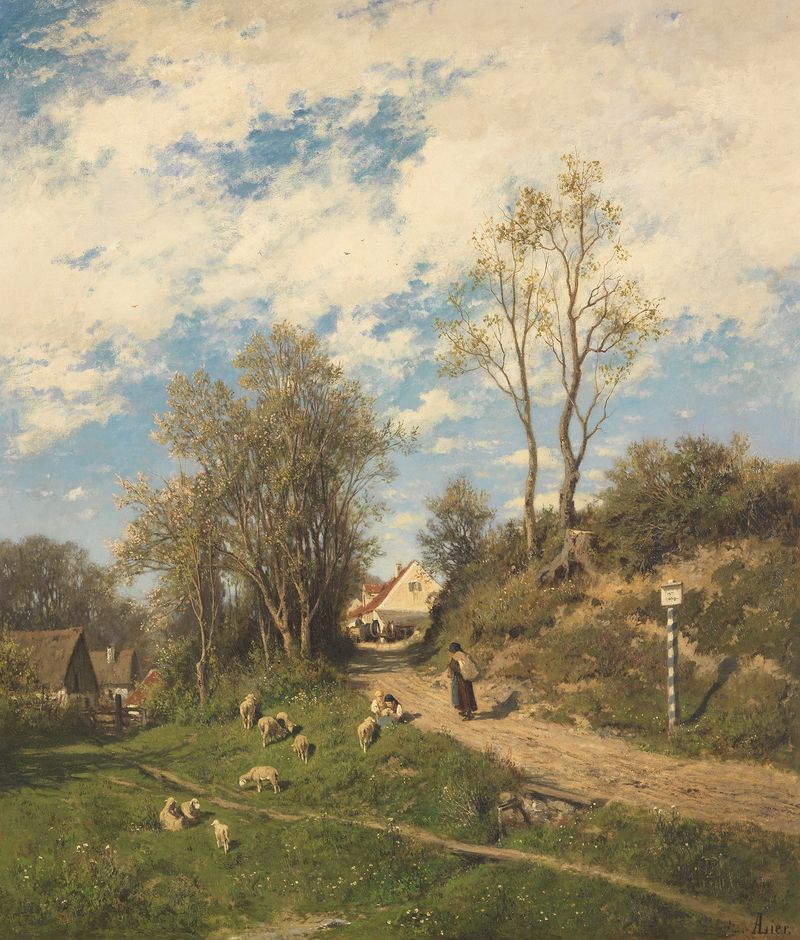
Frühlingsmorgen
Adolf Heinrich Lier
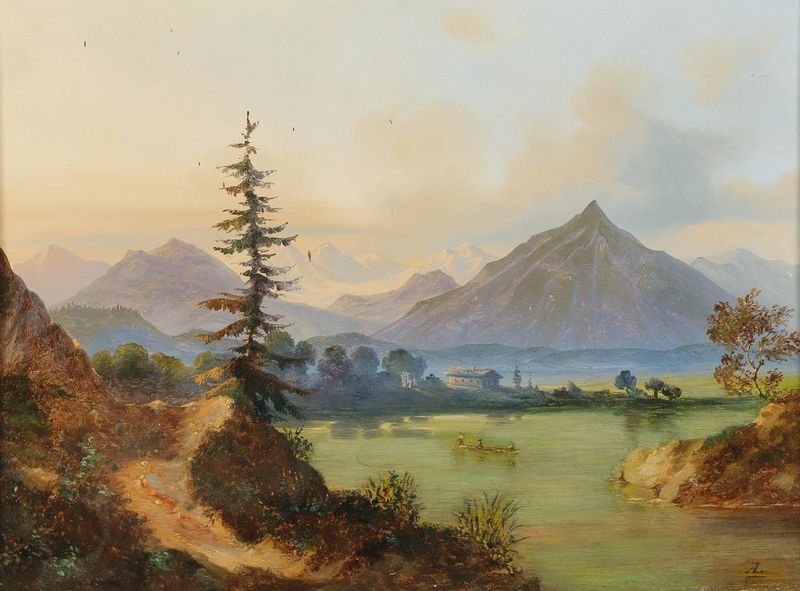
Lake In A Mountain Landscape
Adolf Heinrich Lier

Heimkehr der Landleute am Abend bei Pang III
Adolf Heinrich Lier





