
Eichen — History & Facts
Did the painter know this moment would outlive them? In a world where time ebbs and flows like the brushstrokes of an eager hand, the essence of a fleeting instant can be eternally captured. Focus on the intricate interplay of light and shadow that dances across the canvas, drawing your gaze toward the magnificent oak tree at the center. The artist employs a rich palette of deep greens and earthy browns, creating a lush atmosphere that feels alive. The textures invite you to explore the bark's roughness and the delicate sway of leaves, all while the dappled light transforms the scene into a tableau of serene beauty. At first glance, the grandeur of the oak might overshadow subtle elements that quietly resonate with emotional depth.
The way the branches reach outwards evokes a sense of yearning, while the solitary figure tucked beneath offers a poignant contrast to the strength of the tree. This juxtaposition hints at the transient nature of existence, a whisper of mortality nestled within the illusion of permanence. Theo Von Brockhusen painted Eichen in 1916, during a time marked by the turmoil of World War I. Living in Germany, the artist experienced the multifaceted challenges of his era, where the devastation of war clashed with an enduring quest for beauty in nature.
This piece reflects not just his artistic vision but also a larger cultural moment, capturing the human spirit’s resilience amidst chaos.
More Artworks by Theo Von Brockhusen
Browse all →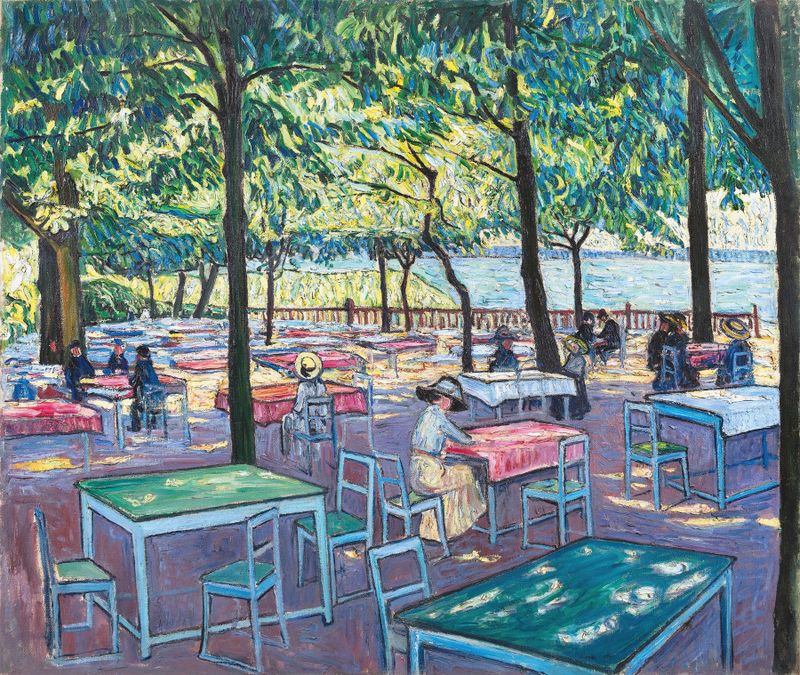
Ausflugslokal (Gasthaus Baumgartenbrück)
Theo Von Brockhusen
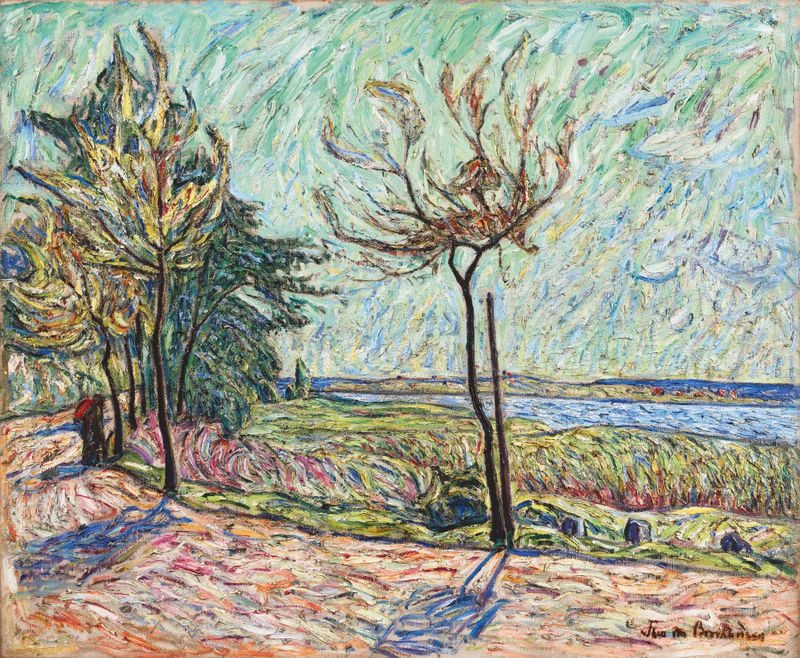
On the Havel
Theo Von Brockhusen
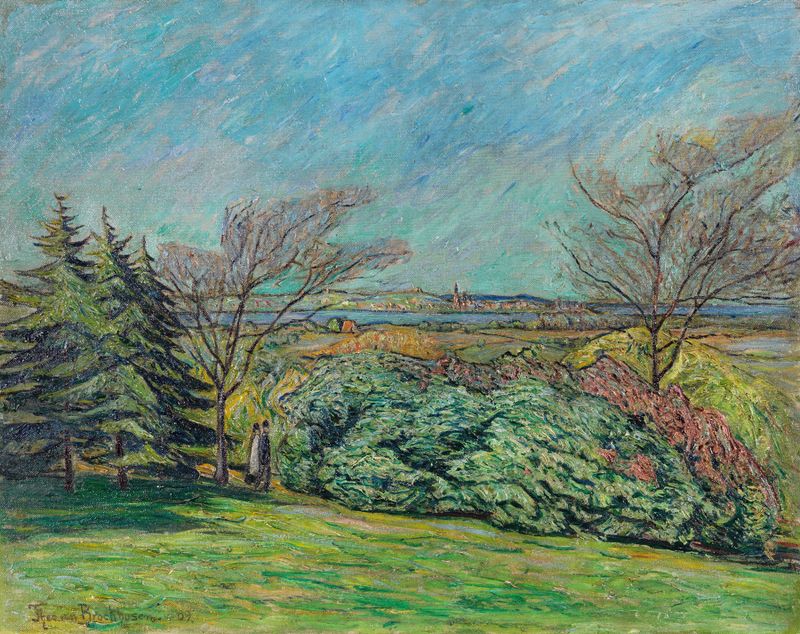
Blick vom Franzensberg
Theo Von Brockhusen
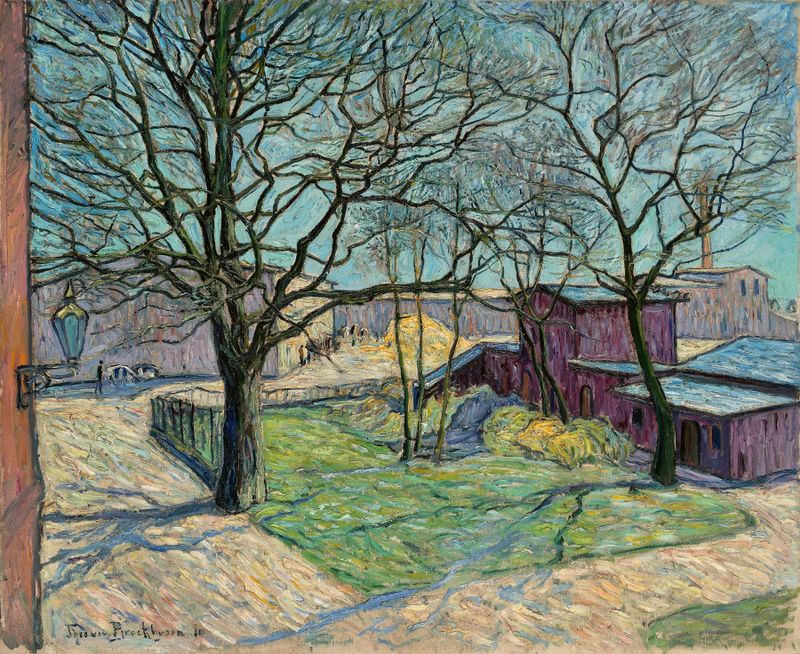
Manor house in Seelow
Theo Von Brockhusen
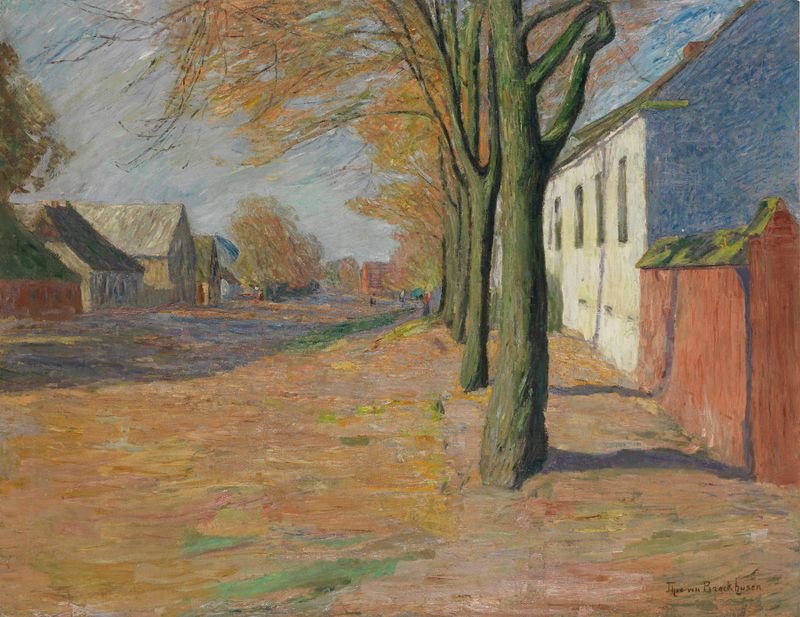
Landstraße mit Bäumen
Theo Von Brockhusen

Blühende Bäume (Baumblüte in Werder)
Theo Von Brockhusen

Strandpromenade in Knokke
Theo Von Brockhusen
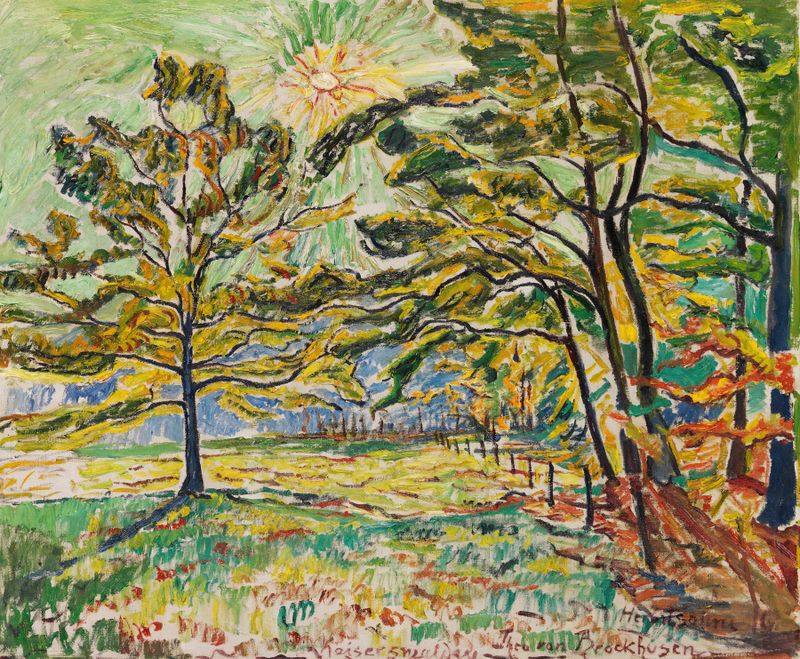
Herbstsonne
Theo Von Brockhusen
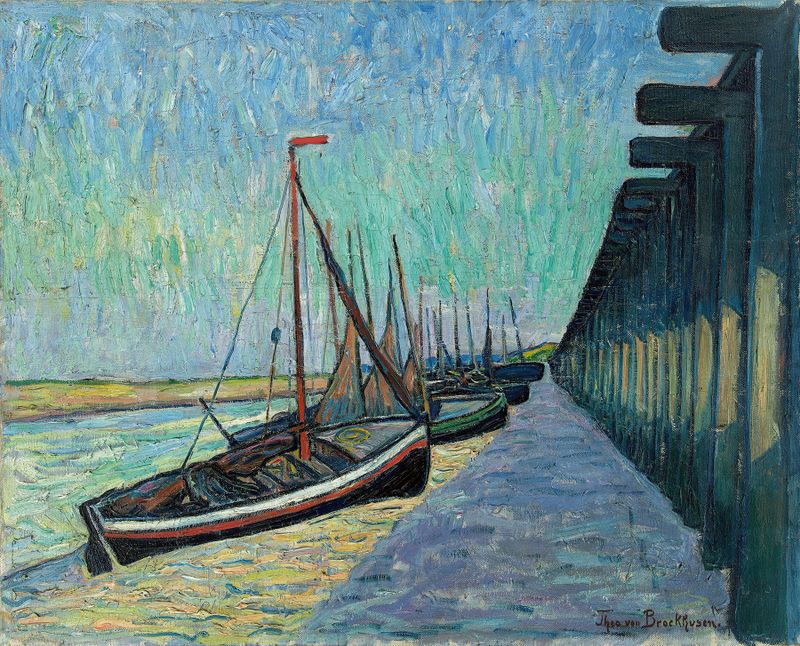
Aus Nieuport
Theo Von Brockhusen
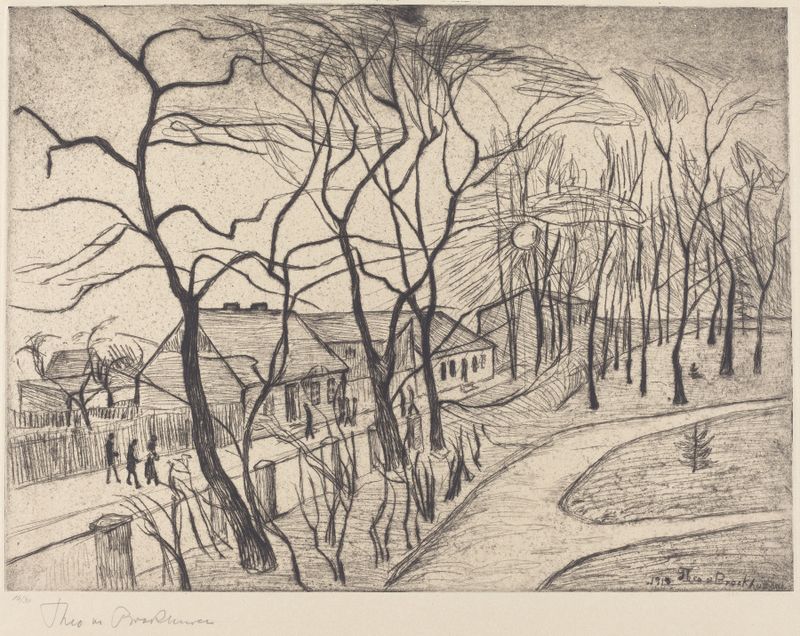
Landscape
Theo Von Brockhusen





