
Herbstsonne — History & Facts
What if beauty was never meant to be finished? In Herbstsonne, an ephemeral glow captures the fleeting essence of life, inviting the viewer to revel in its unfinished promise. Look to the left at the delicate interplay of warm oranges and radiant yellows, where sunlight filters through a canopy of leaves. Notice how the brushstrokes dance lightly across the surface, creating a texture that feels alive, as if the canvas itself breathes. The composition draws your eye upward, leading you into a realm where the very air seems to shimmer, while the light, both gentle and bold, creates a sensation of ecstatic warmth. Here, the juxtaposition of vibrant colors with soft, muted shadows evokes a sense of transition—a moment caught between the vivacity of summer and the impending stillness of autumn.
The swirling nature of the foliage hints at movement, suggesting a world teeming with life yet destined to change. Indeed, the viewer senses that this beauty is transient, and that the ecstasy of the scene lies in its temporary existence. Theo Von Brockhusen painted Herbstsonne in 1916, during a period marked by both personal and global turmoil. Living in Germany, he was navigating the complexities of a world at war while striving to redefine his artistic voice.
This work reflects not only his evolving style, infused with impressionistic influences, but also the larger movement in art that sought to encapsulate emotion and beauty amidst chaos.
More Artworks by Theo Von Brockhusen
Browse all →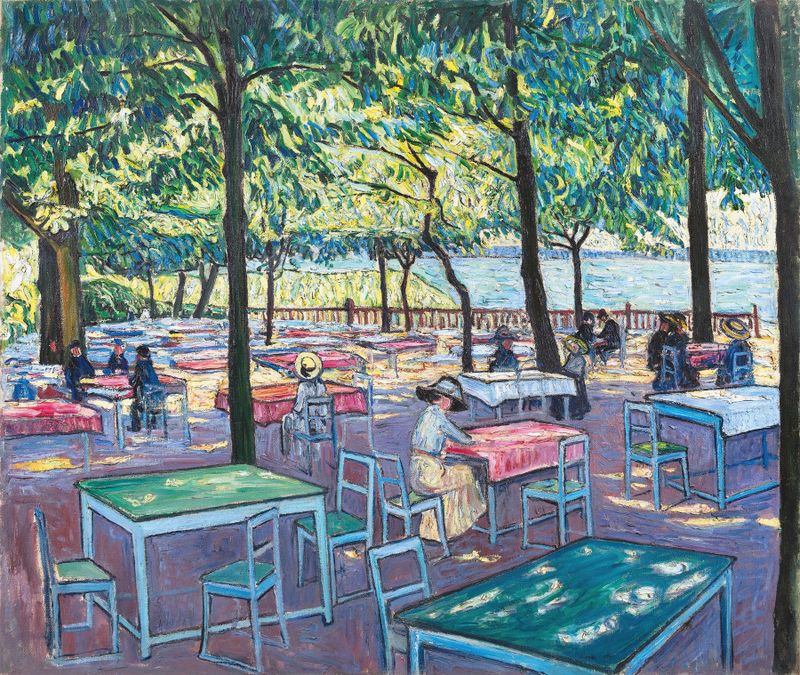
Ausflugslokal (Gasthaus Baumgartenbrück)
Theo Von Brockhusen
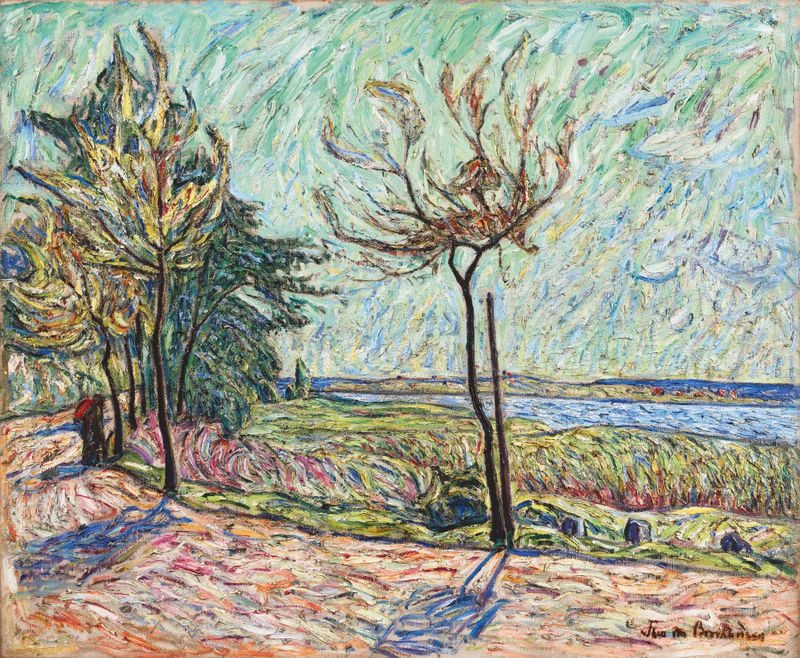
On the Havel
Theo Von Brockhusen
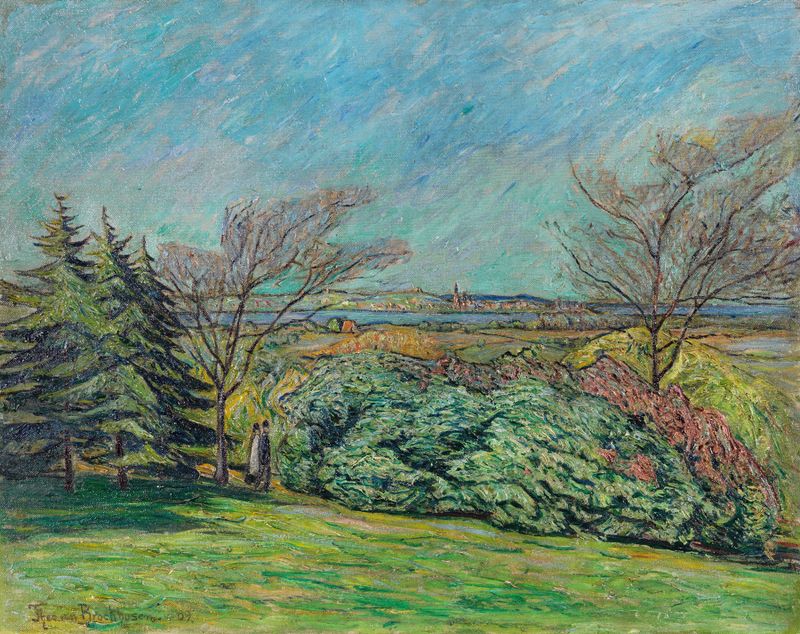
Blick vom Franzensberg
Theo Von Brockhusen
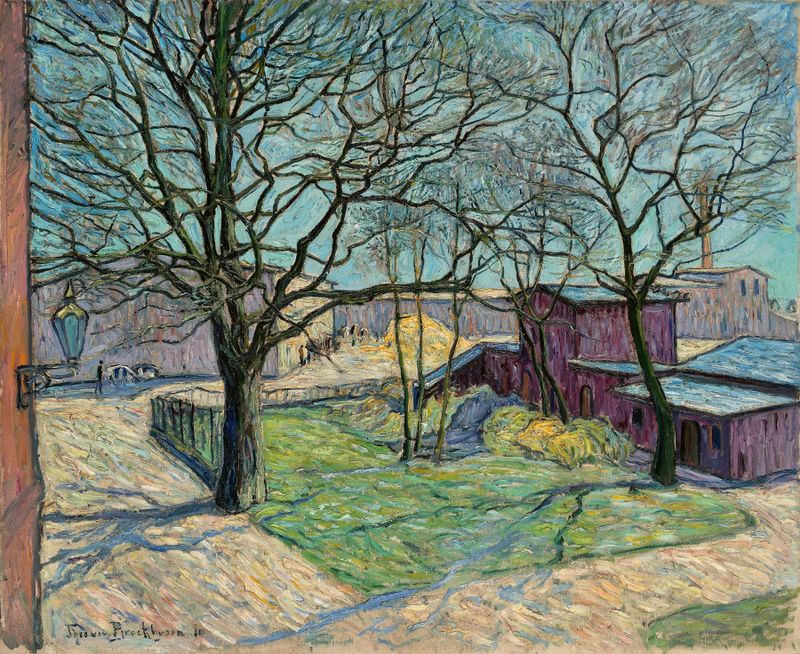
Manor house in Seelow
Theo Von Brockhusen
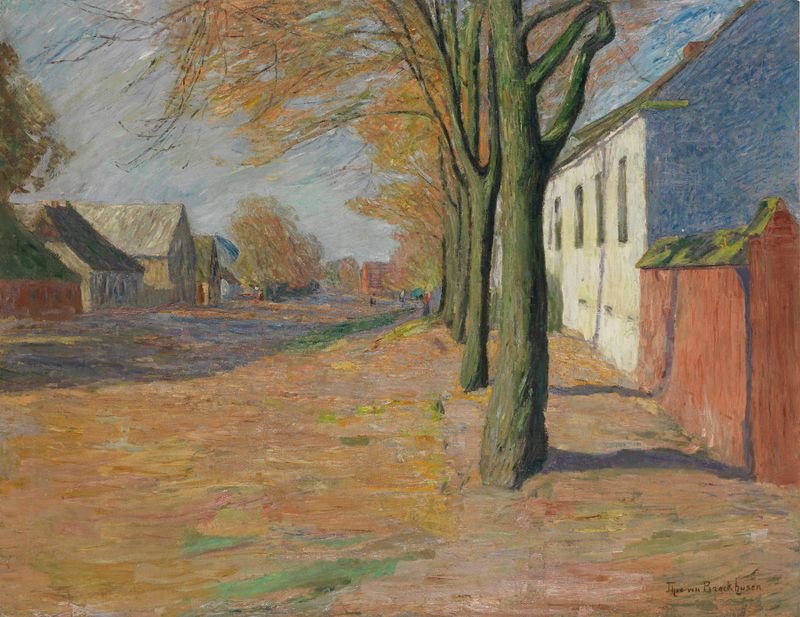
Landstraße mit Bäumen
Theo Von Brockhusen

Blühende Bäume (Baumblüte in Werder)
Theo Von Brockhusen

Strandpromenade in Knokke
Theo Von Brockhusen
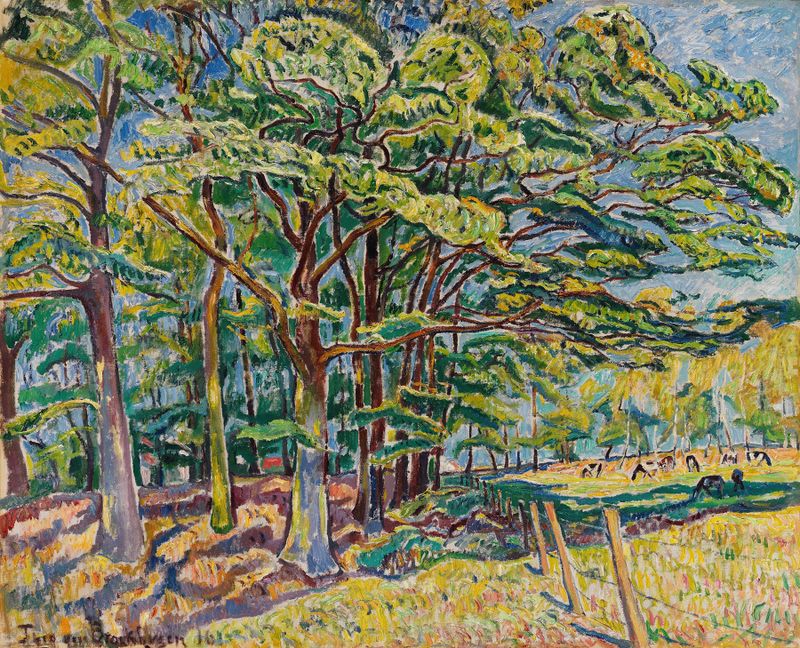
Eichen
Theo Von Brockhusen
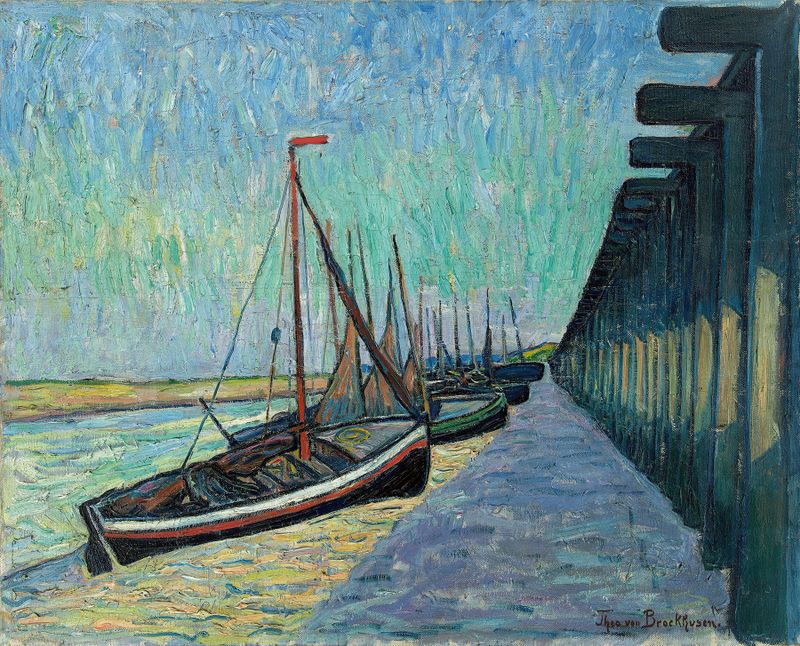
Aus Nieuport
Theo Von Brockhusen
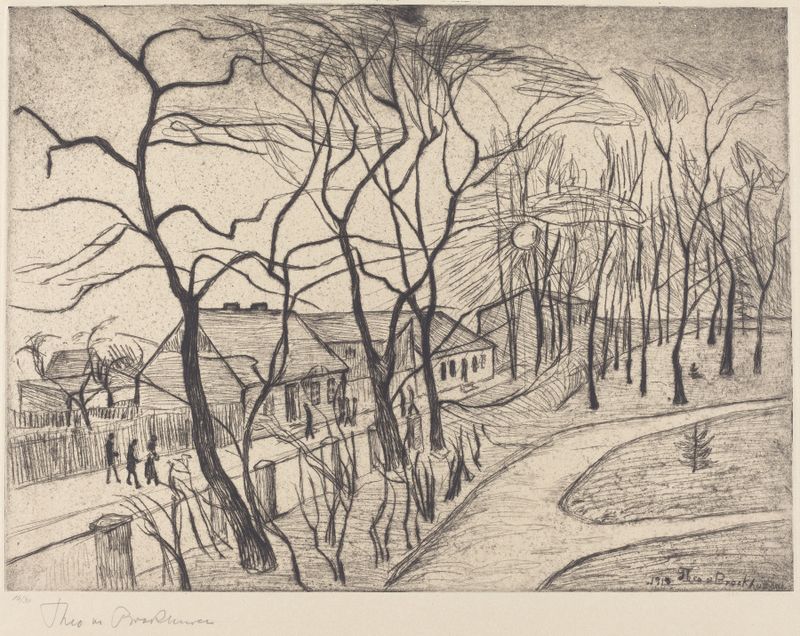
Landscape
Theo Von Brockhusen





