El Kantara — History & Facts
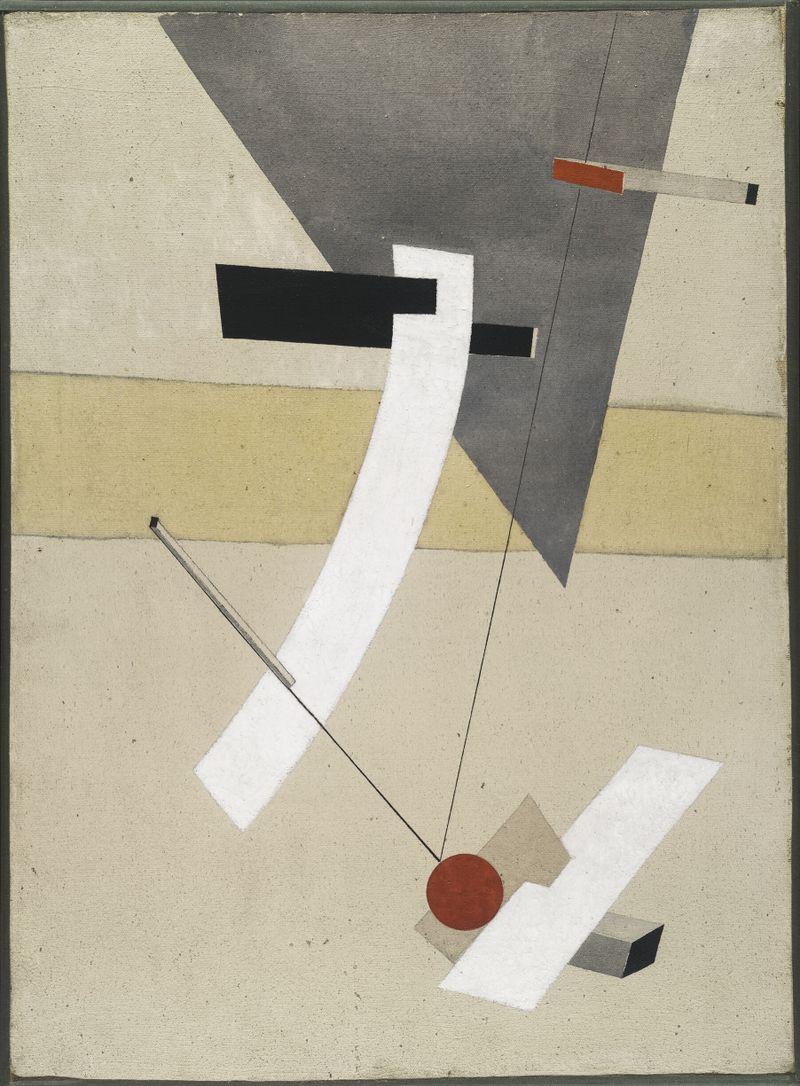
In the silent void of existence, the emotional echoes of absence resonate. What stories lie hidden in the starkness of a canvas untouched? Look to the center, where the bold strokes create a swirling ambiguity, drawing you in with an ethereal rhythm. The palette blends dark shades with flashes of light, illuminating a space that feels both inviting and forbidding.
Notice how the textures emerge, layered yet fragmented, as if whispers of memories are trapped, yearning to break free. The composition teeters on the edge of chaos and order, compelling the viewer to seek meaning in the depths of the unknown. Within the canvas lies a tug-of-war between isolation and connection. The contrasting colors evoke a profound sense of absence, while the boldness of each stroke suggests a struggle to articulate the inexpressible.
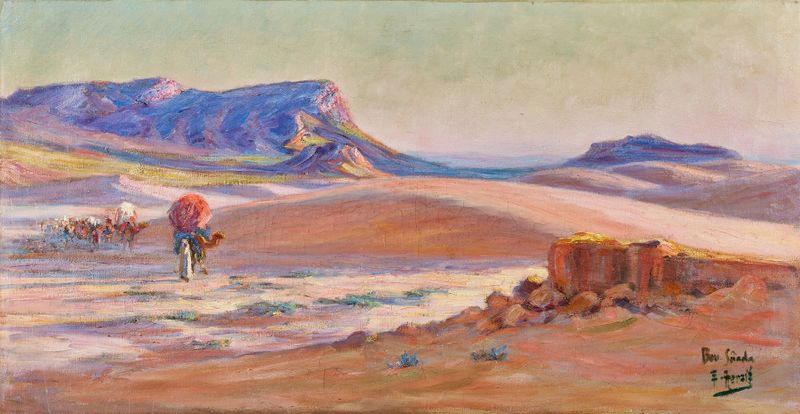
Hidden details – perhaps a faint outline or a lingering shadow – hint at what might have been, allowing the viewer’s imagination to roam freely within the emotional landscape. This is a space where silence speaks volumes, and the void becomes a vessel of contemplation. Edouard Herzig created El Kantara during a time when the art world was grappling with the aftermath of the tumultuous early 20th century. Working in an era marked by both abstraction and expression, he sought to convey the complexity of human experience.
The absence of a precise date for this piece reflects the ongoing dialogue between time and memory, resonating with a generation that strived to find meaning in the void.