Elephants By A River — History & Facts
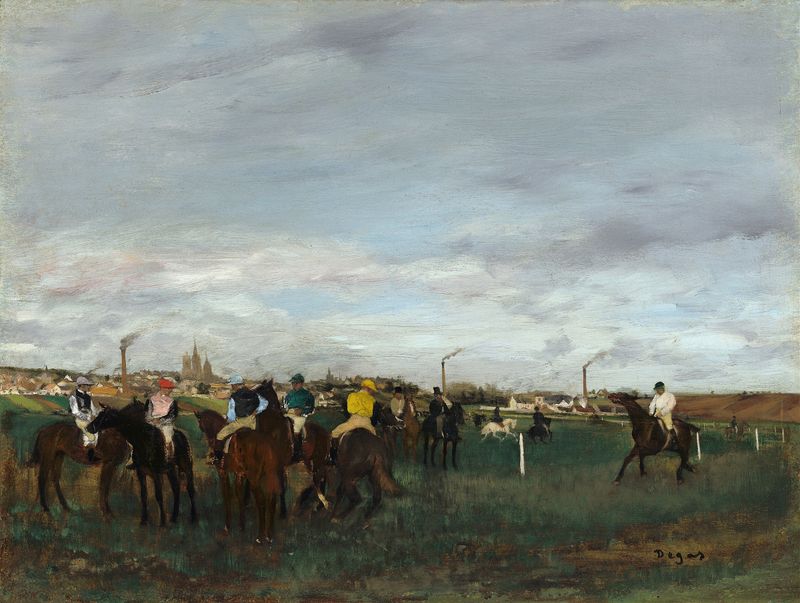
Can paint confess what words never could? The chaotic beauty of existence often finds its voice in subtle brushstrokes, whispering truths that evade language, and Elephants By A River captures just such an untamed spirit. Focus on the elephants, their massive forms tenderly contrasting with the gentle flow of the river behind them. Notice how the light dances on the water's surface, reflecting the elephants’ textured skin and drawing your gaze across the canvas. The lush greens and earthy browns blend harmoniously, while the interplay of light and shadow creates a sense of movement, as if the scene breathes with life.
Each detail, from the ripples in the water to the elephants' contemplative stances, invites deeper observation. Within this tranquil yet vibrant image lies a tension between serenity and chaos. The juxtaposition of the elephants’ calm demeanor against the swirling river hints at an underlying madness — the unpredictable nature of life itself. It’s as if in their stillness, they become custodians of hidden stories, grappling with their place in an ever-changing world.
The brushwork evokes a sense of urgency that contrasts sharply with the peaceful setting, suggesting that even tranquility must contend with the madness lurking beneath. Created during an undefined period, Charles de Tournemine’s Elephants By A River reflects a unique moment in artistic exploration. Amidst evolving artistic movements, he embraced themes of nature and emotion, drawing inspiration from both his surroundings and the complexities of human experience. This work stands as a testament to an artist seeking to capture the essence of life’s intricate dance, even in its madness.