
End of Lake Geneva — History & Facts
In a world teetering between tranquility and turmoil, how do we forge a lasting legacy through our creations? Look closely at the shimmering waters of End of Lake Geneva. Notice how the artist captures the ethereal glow of the setting sun, bathing the landscape in a warm, golden hue. The lake stretches infinitely, its surface rippling gently as if whispering secrets to the distant mountains.
In the foreground, darkened rocks contrast sharply against the luminous sky, drawing your gaze to the delicate balance of light and shadow that defines the scene. Beneath this serene surface lies a poignant tension. The idyllic beauty of the landscape belies the struggles faced by those who inhabit it, evoking a sense of nostalgia for what might have been. The lake becomes a mirror not only of the sky but also of human yearning—an emblem of aspirations and unfulfilled dreams.
Each brushstroke seems to capture not just the beauty of nature, but also the weight of history, reminding us that every legacy carries its shadows. In 1835, Francis Danby was living in London, experiencing the changing tides of Romanticism and the burgeoning Industrial Revolution. His focus on the sublime aspects of nature reflected a widespread yearning for emotional depth in art during this period. As he painted this piece, the contrast between the serene beauty of Lake Geneva and the encroaching industrial age served as a poignant commentary on the legacy humans leave behind in their relentless pursuit of progress.
More Artworks by Francis Danby
Browse all →
Funeral Procession
Francis Danby
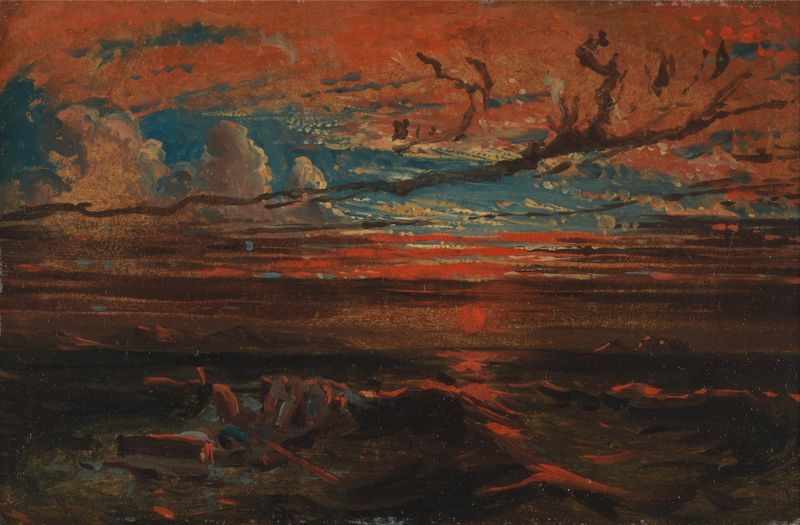
Sunset at Sea after a Storm
Francis Danby
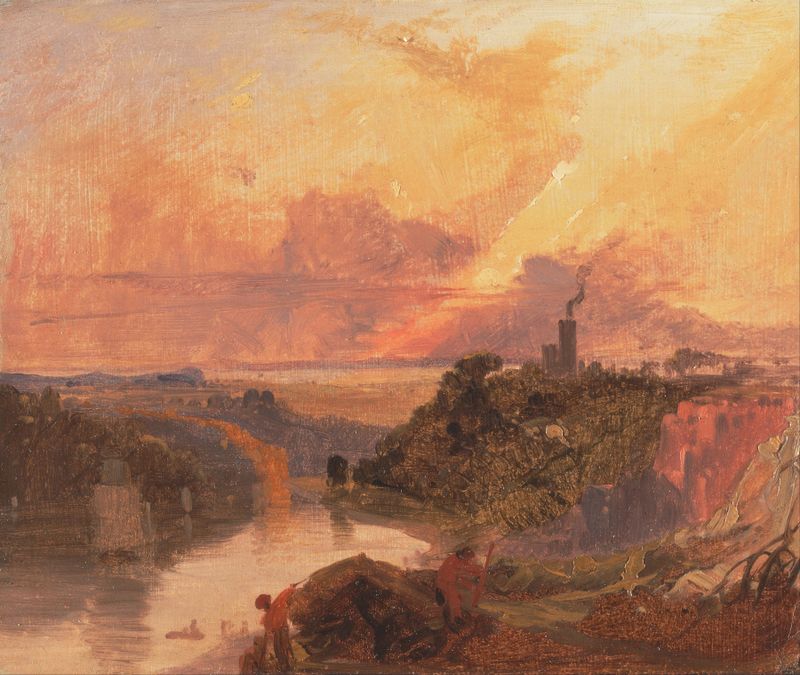
The Avon Gorge at Sunset
Francis Danby
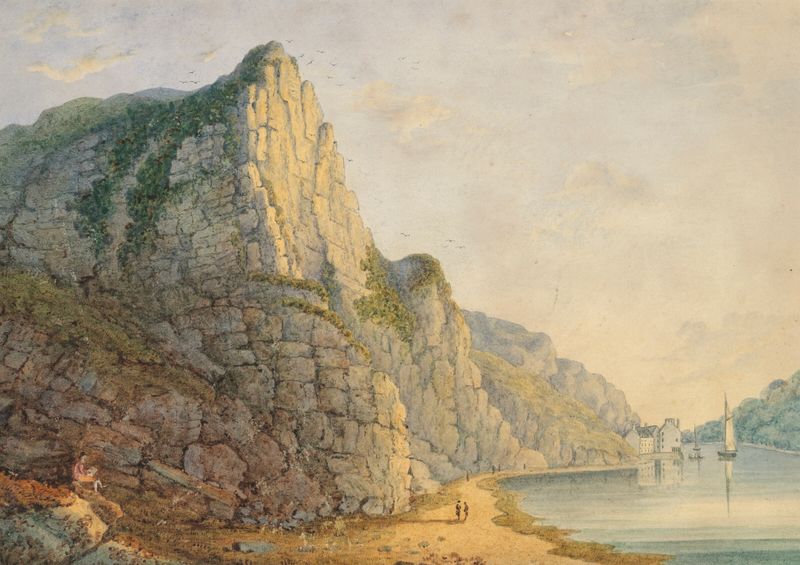
Hotwells in the Avon Gorge
Francis Danby

The Avon Gorge, Looking toward Clifton
Francis Danby

The Painter’s Holiday
Francis Danby
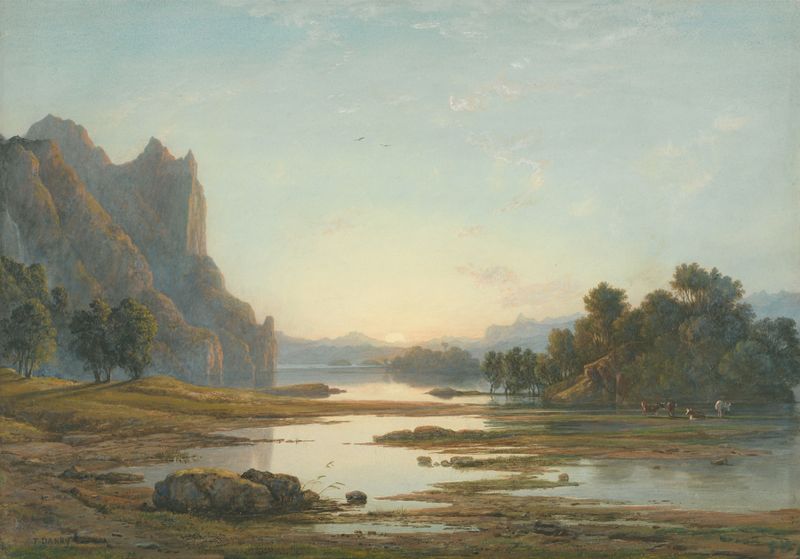
Sunset over a River Landscape
Francis Danby

Saint Vincent’s Rocks and the Avon Gorge
Francis Danby

An estuary at sunset with a moored fishing boat in the foreground
Francis Danby

Burning of an Old Boat
Francis Danby





