
Saint Vincent’s Rocks and the Avon Gorge — History & Facts
When did color learn to lie? In the palette of Francis Danby’s Saint Vincent’s Rocks and the Avon Gorge, hues whisper tales of both beauty and foreboding, intertwining legacy and vision. Look to the left where rugged cliffs rise dramatically against a twilight sky, their craggy surfaces kissed by both shadows and soft light. The blues and greens of the vegetation contrast with the earthy browns of the rocks, creating a dynamic interplay. Notice how the light falls upon the gorge, illuminating the turbulent waters below, suggesting a hidden depth that stirs the viewer’s imagination.
This meticulous attention to detail, combined with his expressive brushwork, begs us to explore the seamless fusion of nature's grandeur and its haunting vulnerability. Beneath the surface, the painting grapples with the conflict between humanity and nature, where the serene beauty of the Avon Gorge hints at an impending fragility. The turbulent water reflects not only the physical landscape but also the emotional undercurrents of change and destruction. Here lies an exploration of legacy—how natural beauty persists even as mankind’s encroachment threatens its very existence.
Danby's choice of light and shadow evokes a sense of nostalgia, reminding us of what we stand to lose. Created between 1815 and 1818, this work emerged during a period of significant change for both the artist and the world around him. Danby was living in England, grappling with the burgeoning Industrial Revolution that was rapidly transforming landscapes and lives. The Romantic movement, with its emphasis on nature and emotion, influenced him deeply, as artists sought to capture the sublime and the tumultuous in a world that seemed to be shifting beneath their feet.
More Artworks by Francis Danby
Browse all →
Funeral Procession
Francis Danby
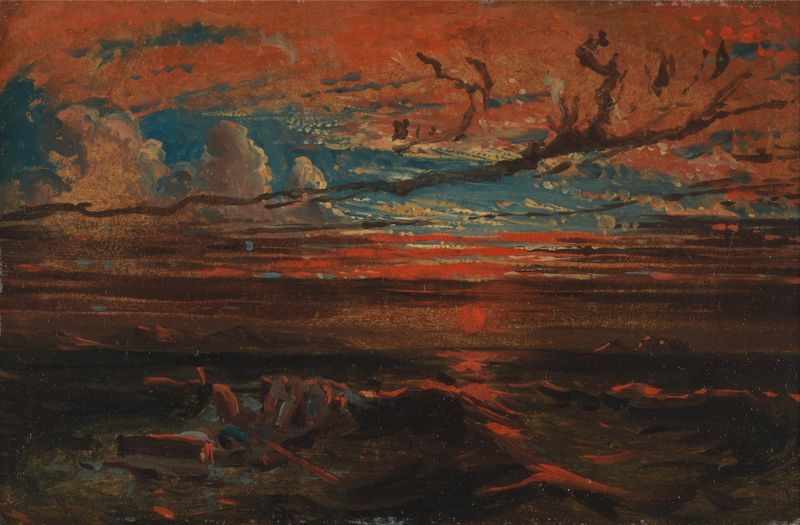
Sunset at Sea after a Storm
Francis Danby
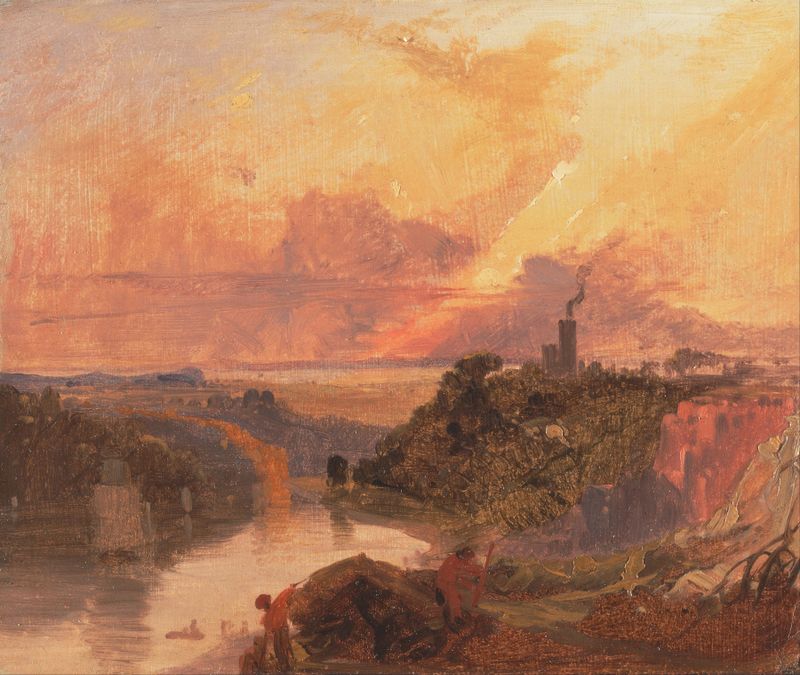
The Avon Gorge at Sunset
Francis Danby
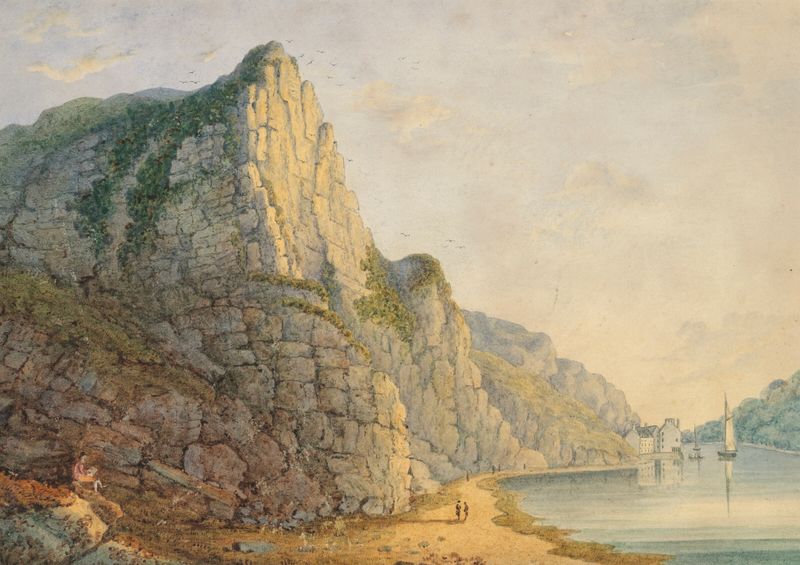
Hotwells in the Avon Gorge
Francis Danby

The Avon Gorge, Looking toward Clifton
Francis Danby

The Painter’s Holiday
Francis Danby
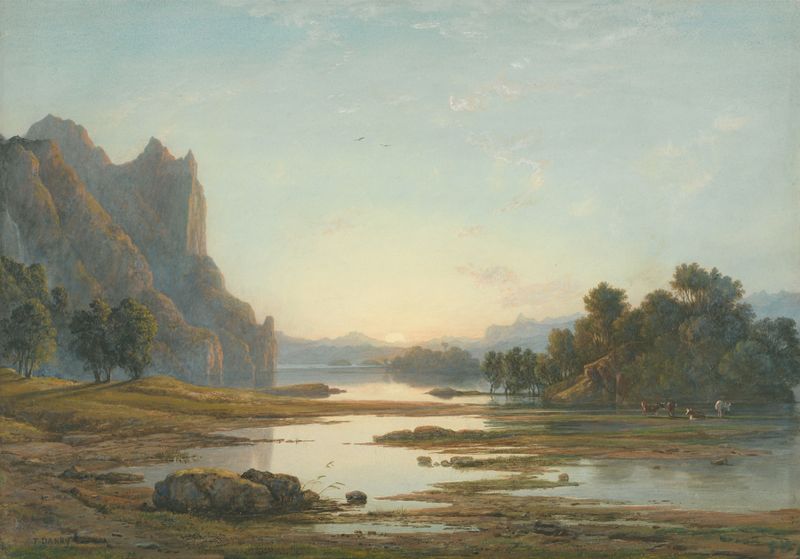
Sunset over a River Landscape
Francis Danby

An estuary at sunset with a moored fishing boat in the foreground
Francis Danby

Burning of an Old Boat
Francis Danby
Shipwreck
Francis Danby





