End of the Day — History & Facts
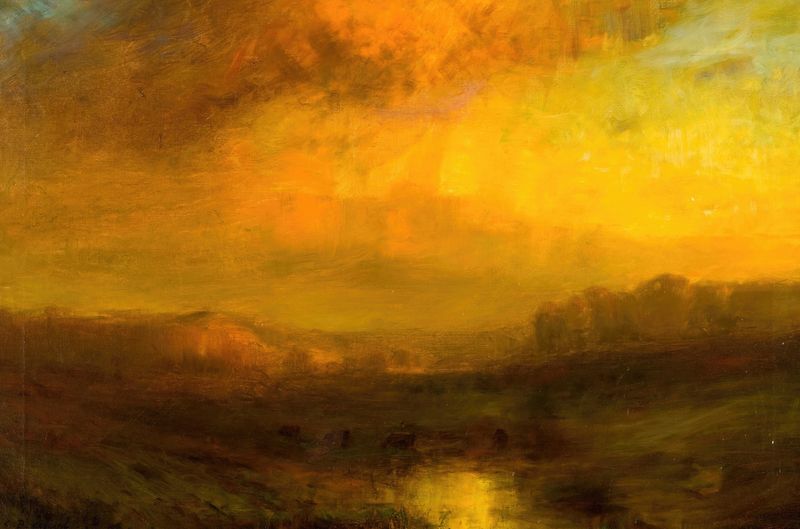
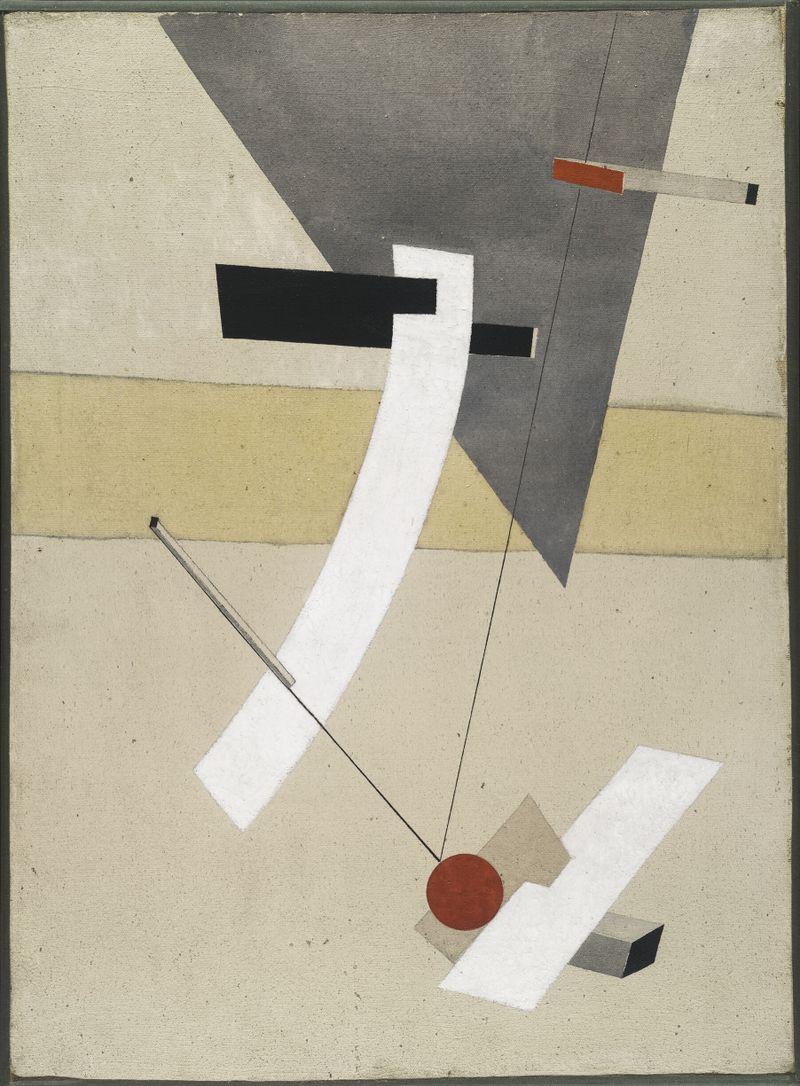
This sentiment echoes through the vibrant strokes and swirling forms of the canvas, inviting us to ponder the transformation inherent in movement. Look to the center of the painting, where a tumultuous sea of colors intertwines — blues and oranges dance together, creating a sense of energy that is breathtakingly alive. The brushwork is dynamic, suggesting motion caught in a moment of flux, while splashes of white punctuate the scene, perhaps evoking foam on waves or the gentle flutter of leaves in the evening air. Your eye is drawn to the movement of color, as if the very essence of the day is rushing towards its end, infused with a sense of urgency. Amidst the whirlpool of hues lies a tension between tranquility and upheaval.
The juxtaposition of warm and cool colors hints at the fleeting nature of light, while the vigorous strokes suggest an impending calm as day gives way to night. Each swirl and splash serves as a reminder of the ephemeral beauty of moments that pass us by, capturing not just the visual experience but the emotional undertow of the day’s conclusion. In this period of his life, Charles P. Appel embraced the principles of American Impressionism, painting during a time when artists were exploring new ways to depict light and atmosphere.
The exact date of this work remains uncertain, but it likely originated in the early 20th century when the movement was gaining momentum. Appel's commitment to capturing the essence of a fleeting moment aligns with contemporary artistic trends, reflecting the emotional resonance of the natural world around him.