
Entree de la gorge du trient — History & Facts
Who listens when art speaks of silence? In the stillness of Entree de la gorge du trient, a divine communion unfolds between nature and the observer, inviting contemplation and reverence. Look to the left where jagged cliffs rise sharply against a muted sky, their textured surfaces a testament to time's passing hand. The delicate hues of blue and gray soften the ruggedness, while a shimmering river snakes through the valley, reflecting the ethereal light that casts a gentle glow. Notice how the composition draws the eye along the water’s path, leading into the recesses of the gorge and evoking an intimate sense of journey and exploration. Yet beneath the serene surface lies a profound tension.
The juxtaposition of the tranquil river against the formidable cliffs suggests the duality of nature—its beauty intertwined with its power. Hidden details, like the faint wisps of fog clinging to the rocky outcrop, speak to the ephemeral nature of existence, hinting at the divine mystery that enshrouds both the viewer and the landscape. Here, silence becomes a canvas for thought, allowing the viewer to confront their own insignificance within the grandeur of nature. Jean Jacottet painted Entree de la gorge du trient during a period marked by a deep engagement with the natural world, most likely in the mid-19th century.
At this time, artists were increasingly drawn to the picturesque beauty of landscapes, seeking to capture the sublime essence of their surroundings. Jacottet’s work reflects this movement, showcasing his masterful ability to translate the divine whispers of nature onto canvas while navigating the artistic shifts of his era.
More Artworks by Jean Jacottet
Browse all →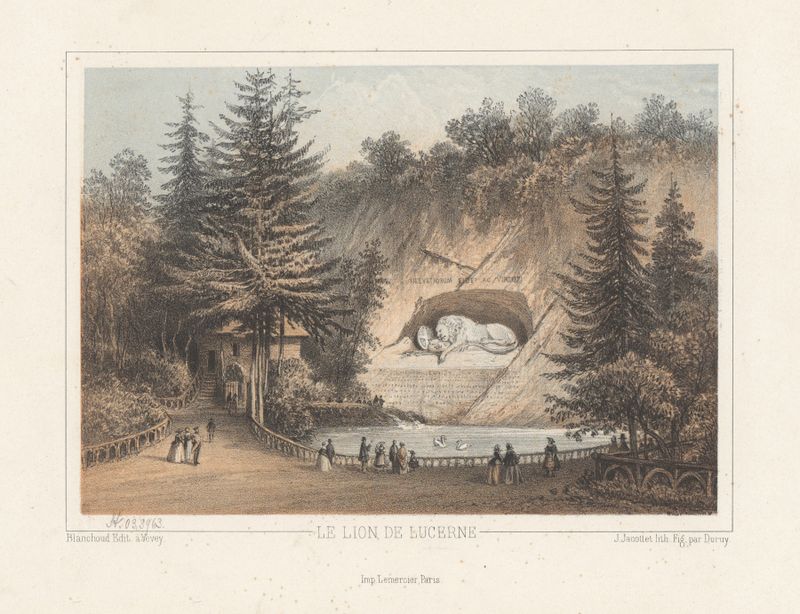
Le lion de Lucerne
Jean Jacottet
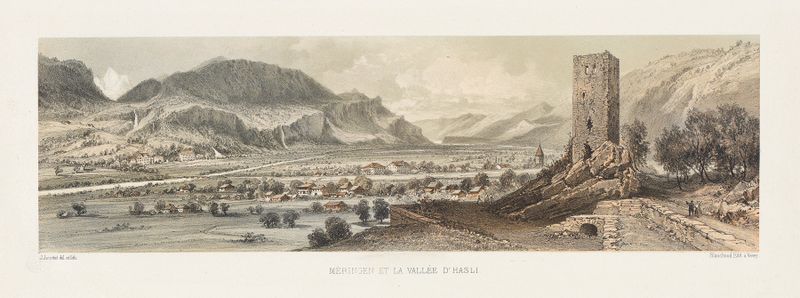
Méringen et la vallée d’Hasli
Jean Jacottet
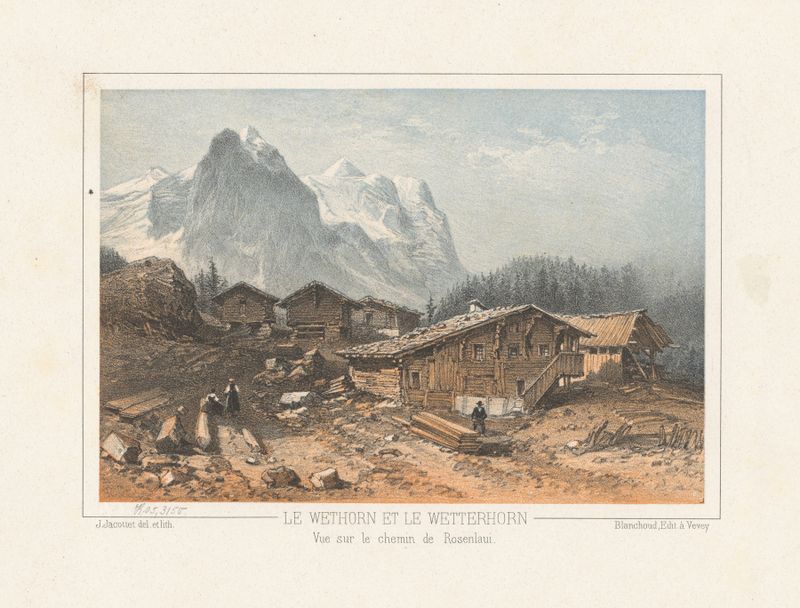
Le Wethorn et le Wetterhorn Vue sur le chemin de Rosenlaui
Jean Jacottet
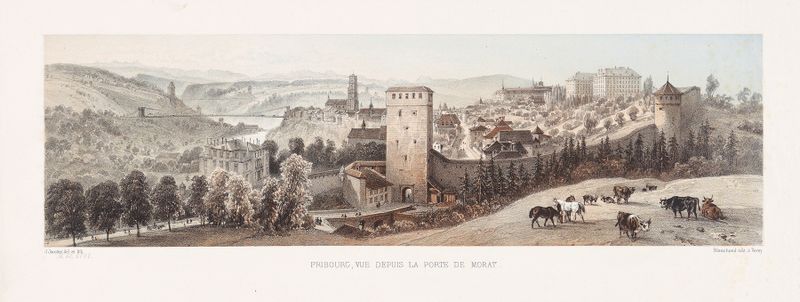
Fribourg, vue depuis la porte de Morat
Jean Jacottet
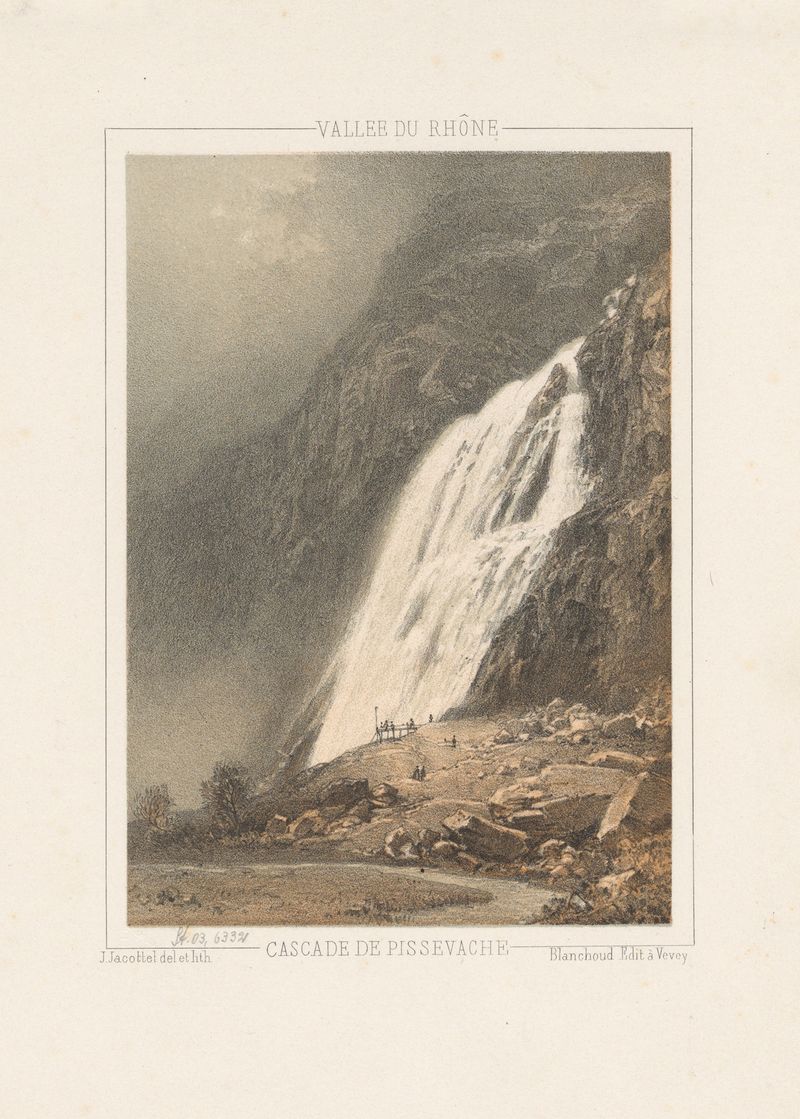
Cascade de Pissevache
Jean Jacottet
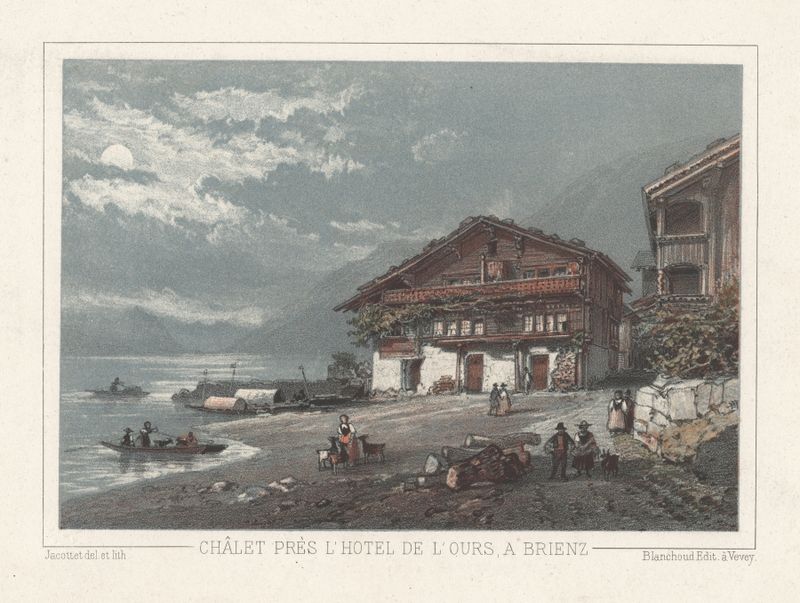
Châlet près l’Hotel de l’Ours, a Brienz
Jean Jacottet
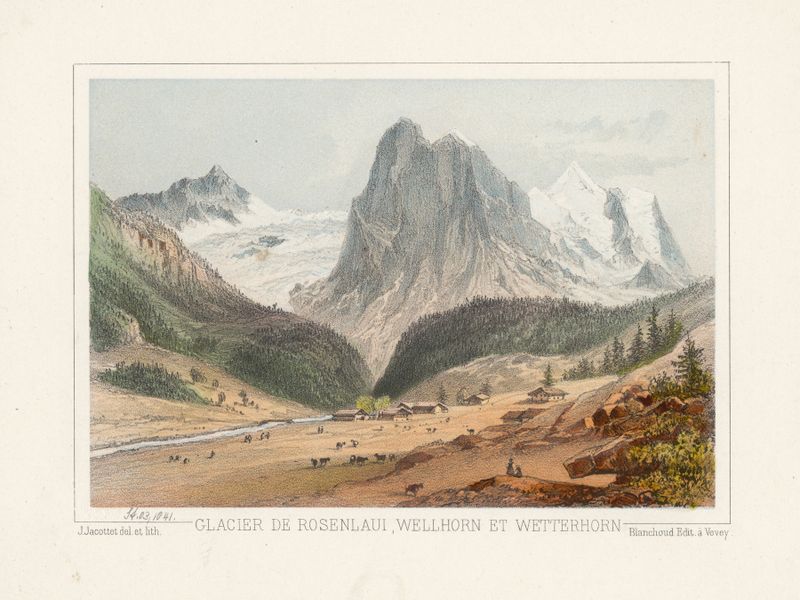
Glacier de Rosenlaui, Wellhorn et Wetterhorn
Jean Jacottet
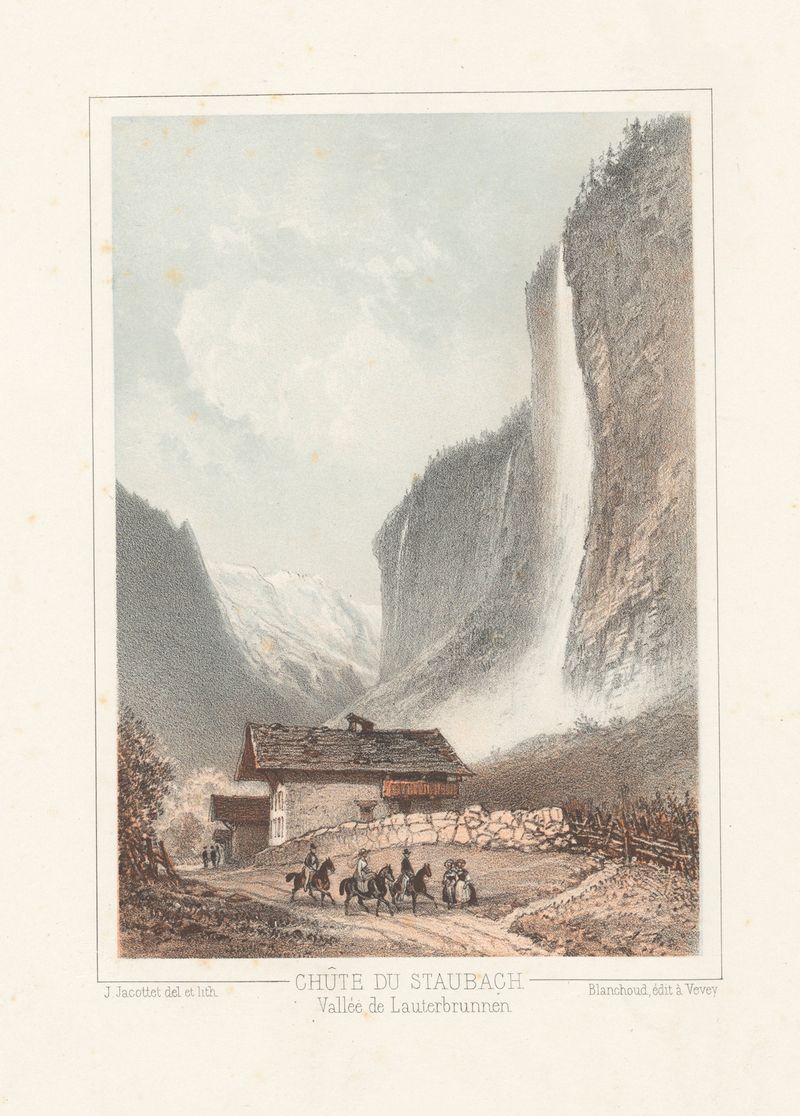
Chûte du Staubach Vallée de Lauterbrunnen
Jean Jacottet
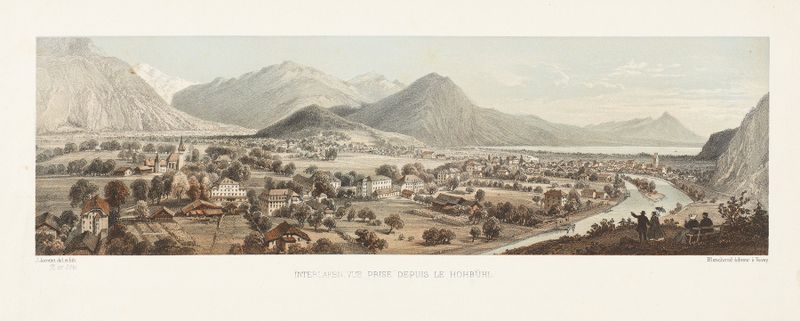
Interlaken, vue prise depuis le Hohbühl
Jean Jacottet
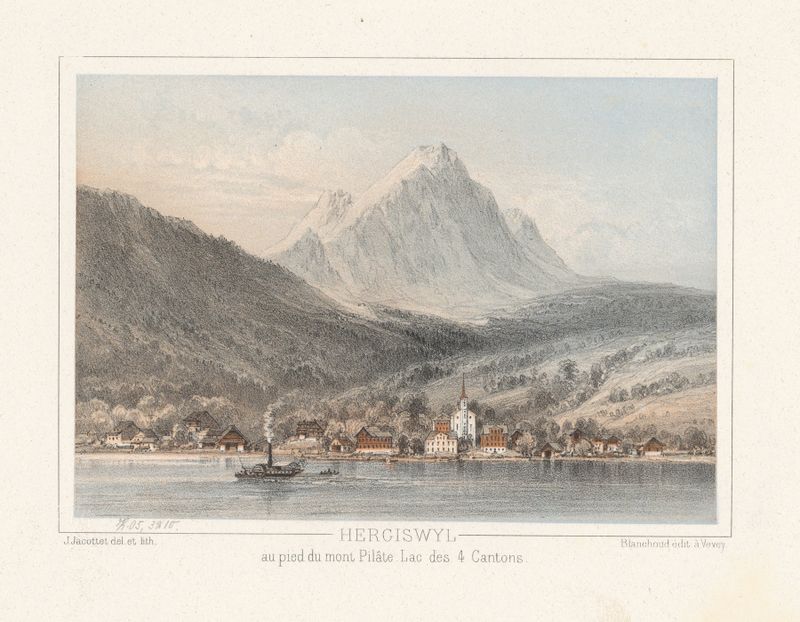
Hergiswyl au pied du mont Pilâte. Lac des 4 Cantons
Jean Jacottet





