
Exposition de 1900, pavillon de l’Algérie — History & Facts
Can paint confess what words never could? In the delicate strokes of this artwork, a profound innocence pulses beneath the surface, whispering secrets of history and identity. Look closely at the foreground, where vibrant hues of blues and greens blend seamlessly, evoking the lush landscapes of Algeria. Notice how the figures stand together, their postures both inviting and reserved, hinting at a shared experience yet to be fully articulated. The careful arrangement leads the eye upward toward the pavilion's ornate architecture, adorned with intricate patterns that suggest a fusion of cultures, while soft light bathes the scene, creating a dreamlike quality that blurs the boundaries between reality and memory. Within this composition lies a tension between the familiar and the foreign.
The depicted figures, perhaps representing the convergence of Algerian and French identities, embody a longing for connection amidst the complexities of colonialism. Small details, such as the floral motifs and traditional garments, speak to a rich past, inviting viewers to explore the innocence of heritage that straddles both pride and sorrow. This duality evokes a powerful emotional response, revealing the fragility of cultural narratives. In 1900, Brouardel painted this work during a time of significant artistic evolution in France, coinciding with the Exposition Universelle in Paris.
Her involvement in this event placed her at the forefront of a cultural dialogue about colonialism and identity, as artists grappled with the complexities of representation. The world was shifting, and through her brush, she would capture the essence of a moment in history that spoke volumes about innocence lost and cultural intersection.
More Artworks by Laure Brouardel
Browse all →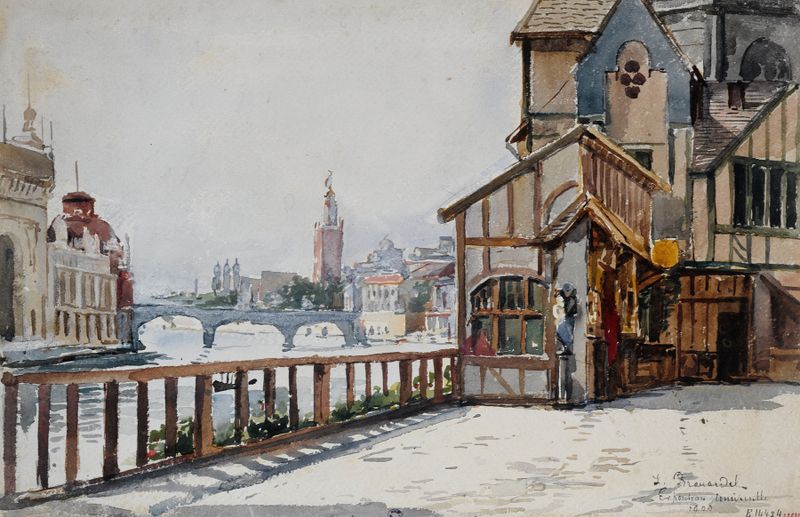
Exposition de 1900, entrée du Vieux Paris
Laure Brouardel
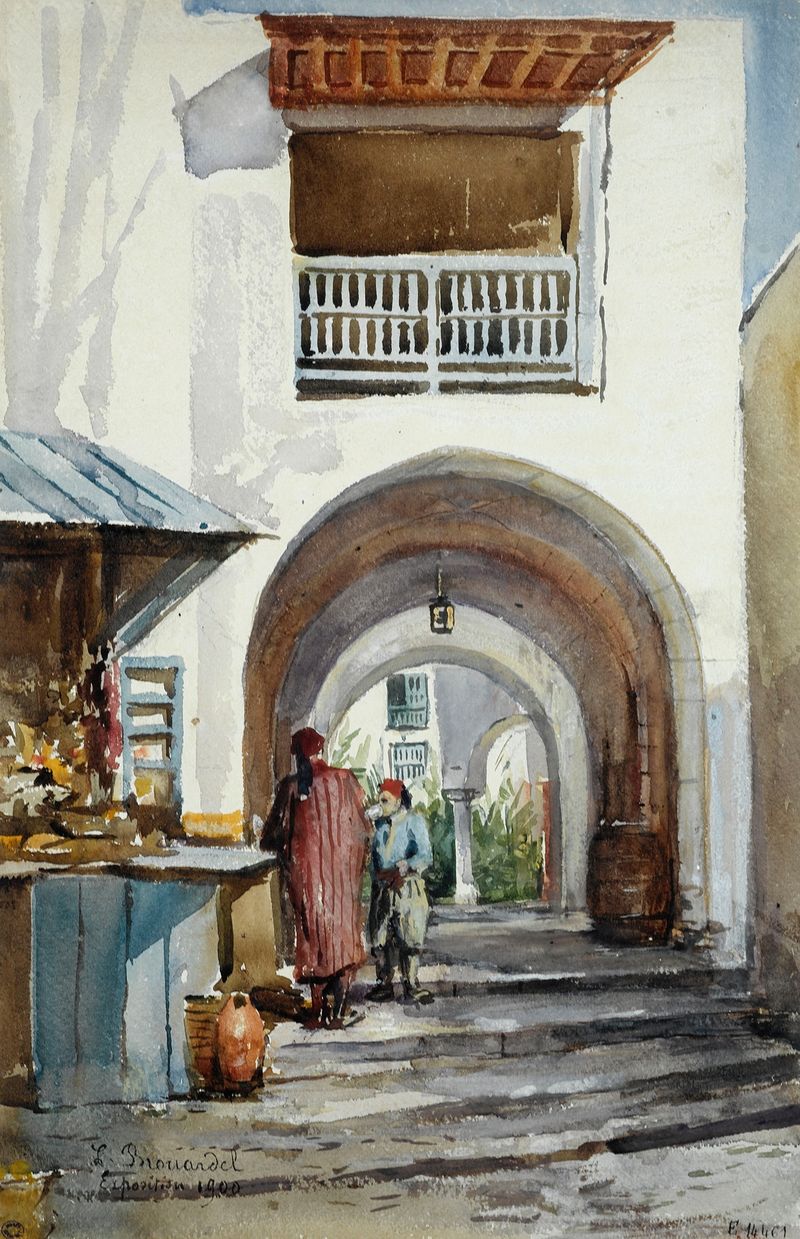
Exposition de 1900, pavillon de la Tunisie
Laure Brouardel
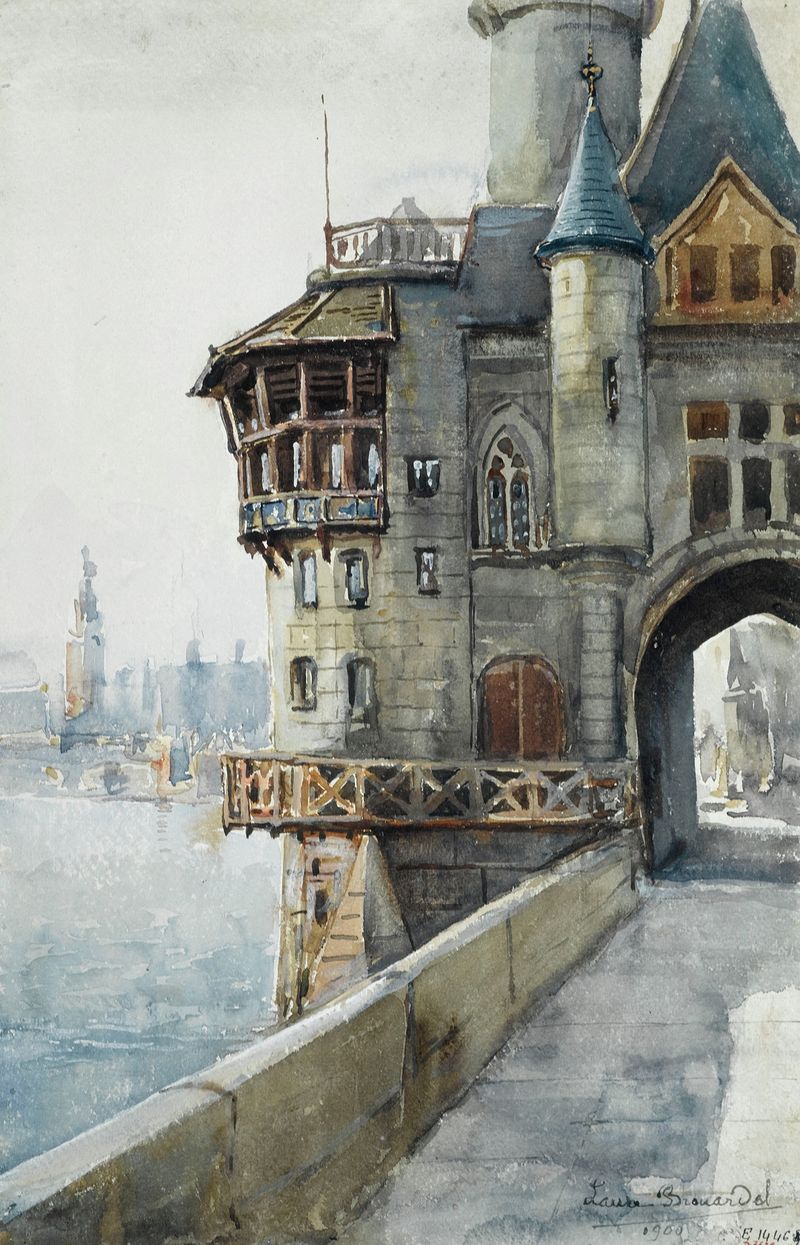
Exposition de 1900, le Vieux Paris
Laure Brouardel
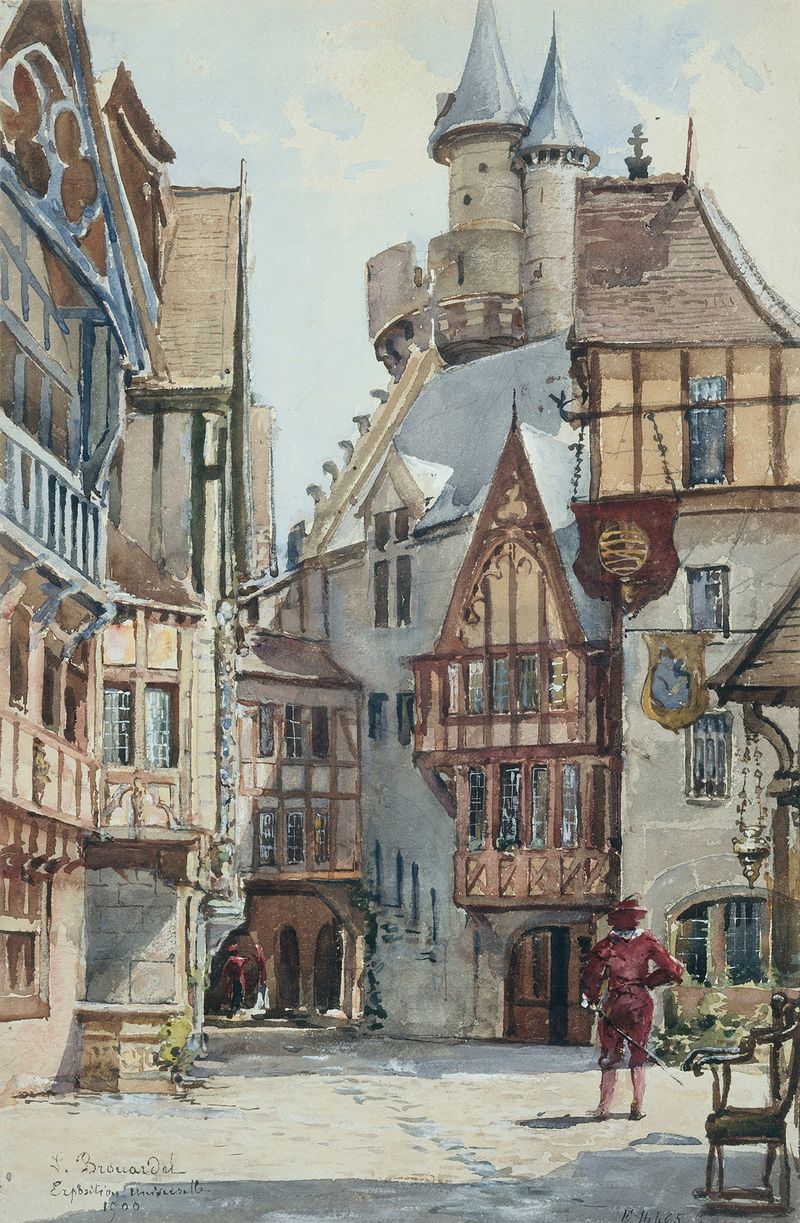
Exposition de 1900, le Vieux Paris
Laure Brouardel
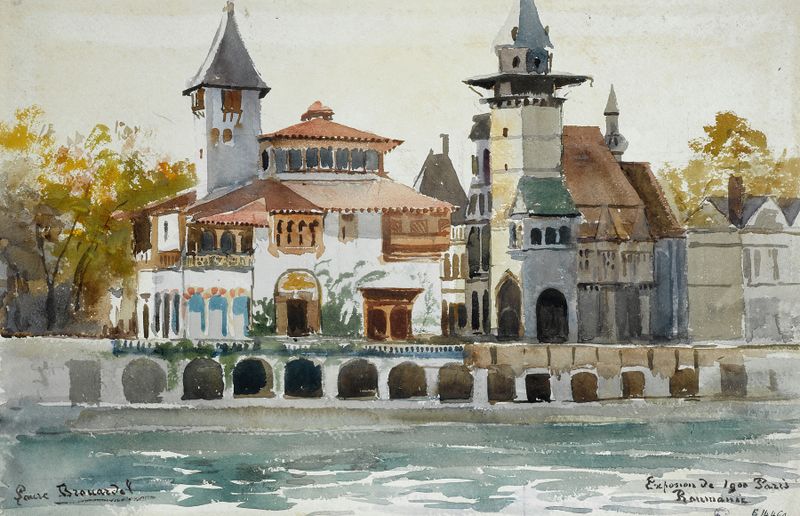
Exposition de 1900, le pavillon de la Roumanie
Laure Brouardel
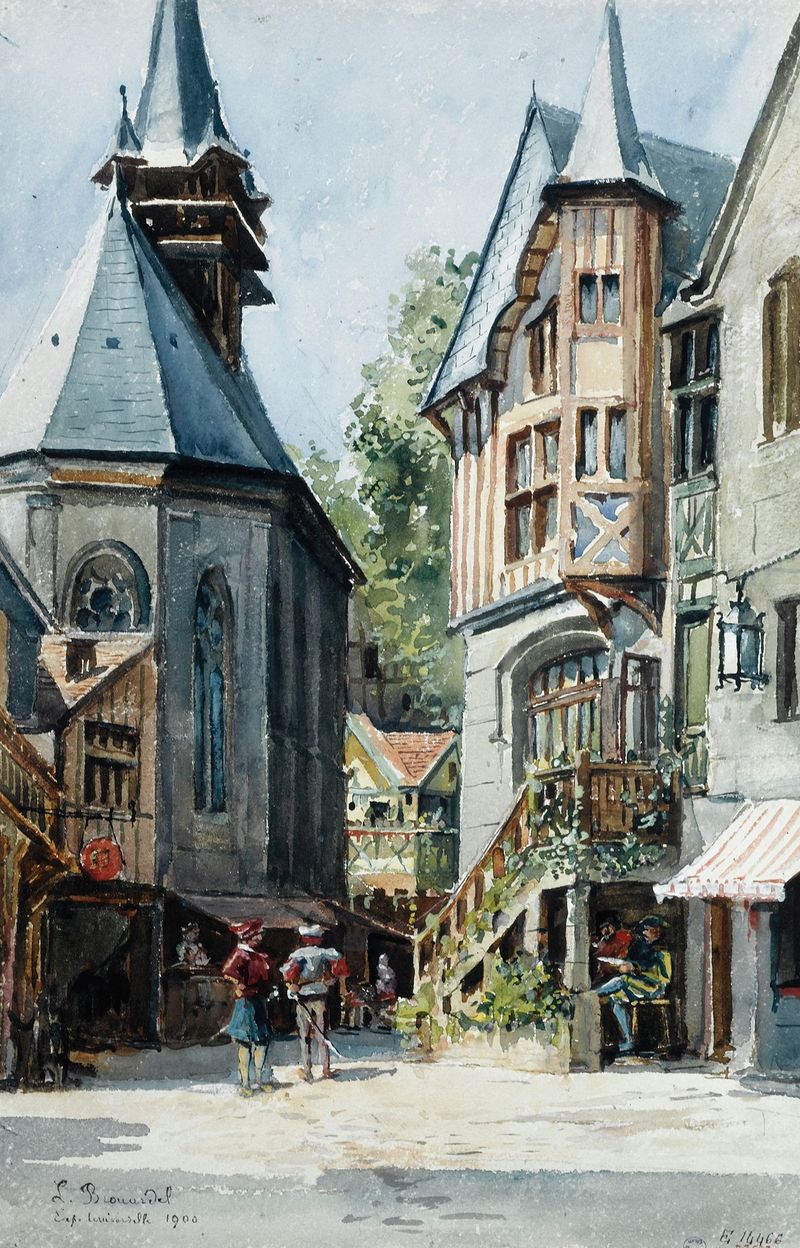
Exposition de 1900, le Vieux Paris
Laure Brouardel
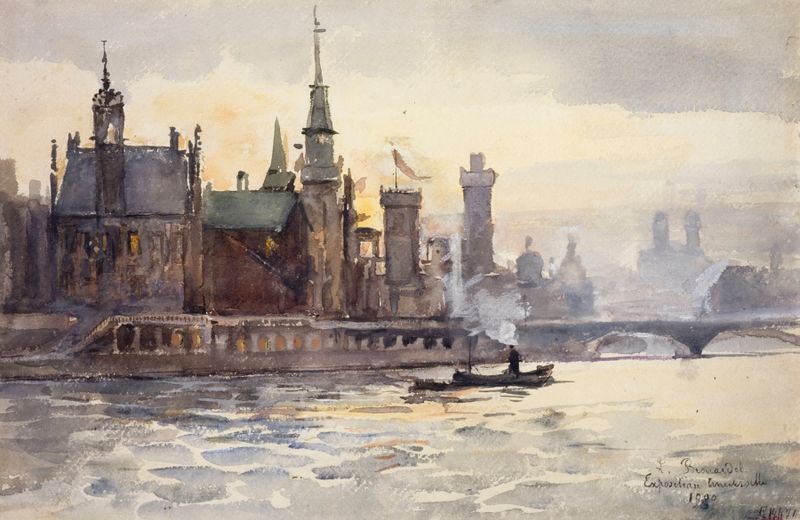
Exposition de 1900, pavillons étrangers
Laure Brouardel
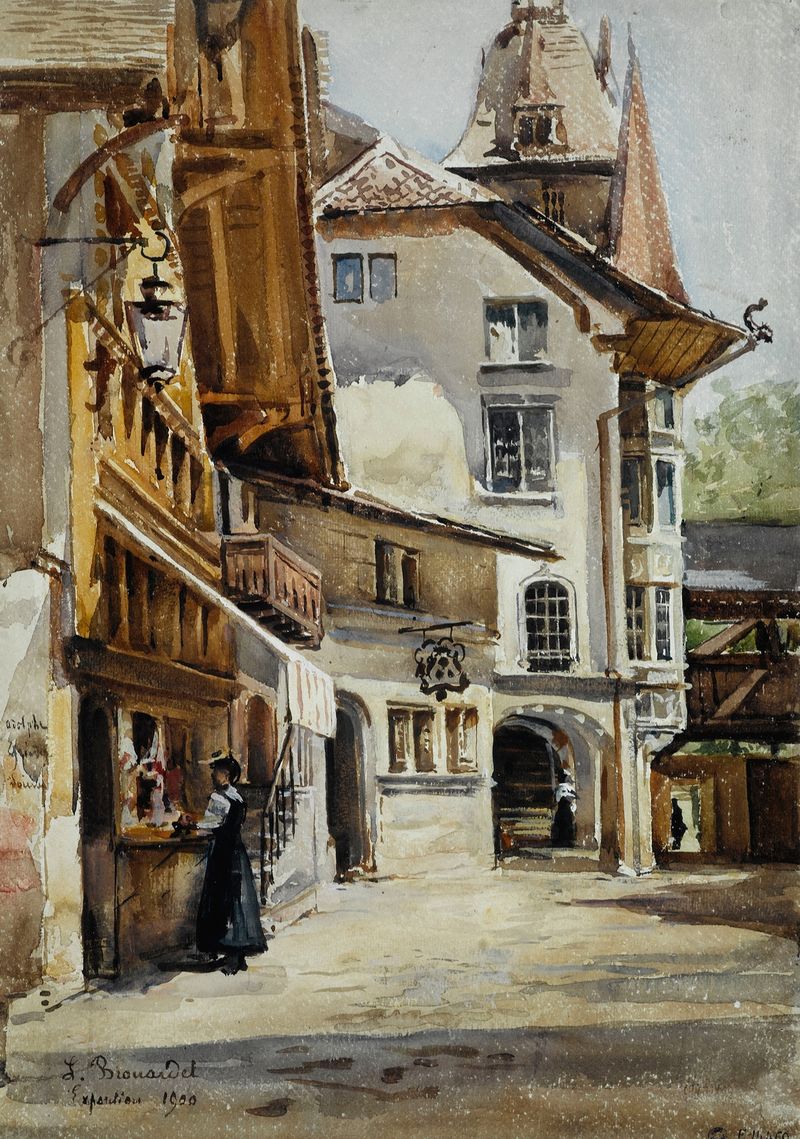
Exposition de 1900, le village Suisse
Laure Brouardel
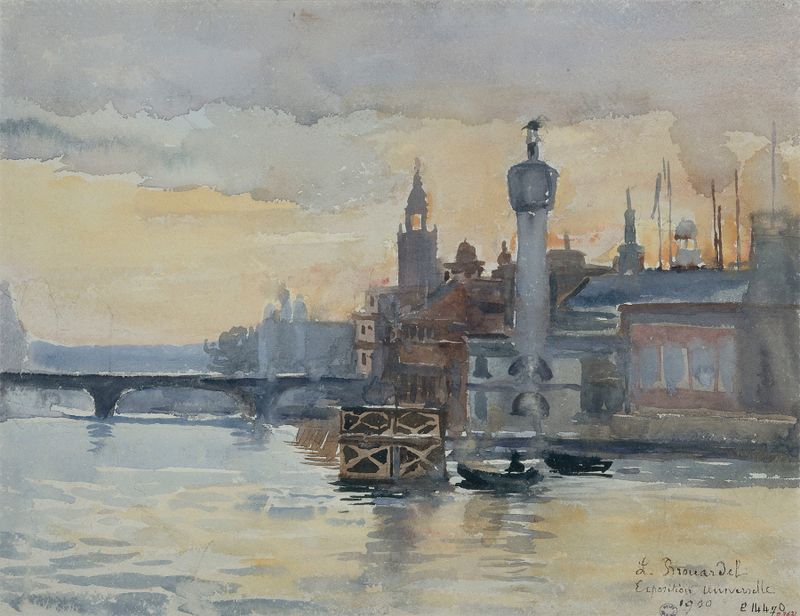
Pavillons en bord de Seine, à l’exposition de 1900
Laure Brouardel
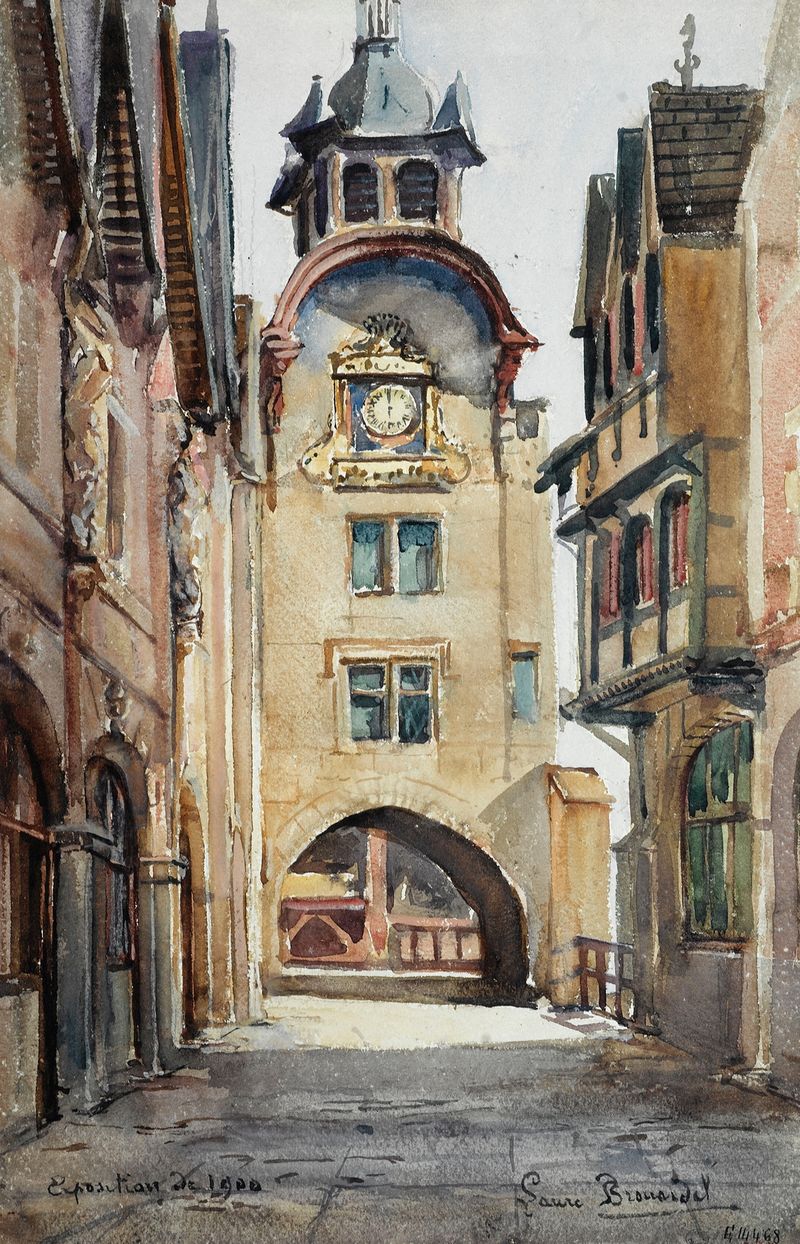
Exposition de 1900, le Vieux Paris
Laure Brouardel





