
Exposition de 1900, pavillon de la Tunisie — History & Facts
In the quiet realm of dreams, fleeting moments whisper to the soul, inviting us to linger just a little longer. How do we capture the essence of a place, a feeling, an era? The answer resides within the vibrant strokes of a masterful brush. Look closely at the foreground; notice how the brilliant hues of red and gold explode against the soft, inviting earth tones. The composition draws your eye toward the intricately adorned pavilion, each architectural detail a testament to the rich cultural tapestry it represents.
The artist’s deft use of light creates a dance between shadow and illumination, suggesting the warmth of Tunisian sunlight filtering through the canvas. Take a moment to appreciate the flowing draperies, which not only enhance the visual spectacle but also evoke the movement of gentle desert winds. Beneath the surface, the painting pulses with a deeper narrative. The juxtaposition of the pavilion against the backdrop of more muted colors hints at the contrasts within Tunisia's identity — a fusion of tradition and modernity, East and West.
The figures in the scene, though rendered in soft outlines, seem alive with quiet purpose, reflecting the dreamlike quality of cultural exchange. They invite the viewer to contemplate the interplay between nationalism and cosmopolitanism in a world poised at the dawn of the 20th century. In 1900, Laure Brouardel crafted this work during the Exposition Universelle in Paris, a pivotal moment for artistic expression and international dialogue. As the world converged to showcase its achievements, Brouardel was not only highlighting Tunisia's rich heritage but also positioning herself within the broader currents of the art world, which was rapidly evolving amidst modernity and colonial influences.
This piece marked a significant step in her career, embodying her aspirations and the dream of cultural representation.
More Artworks by Laure Brouardel
Browse all →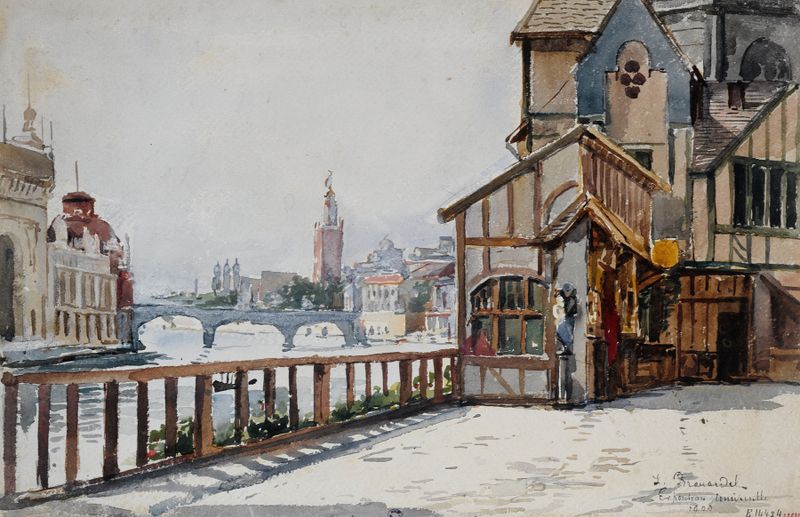
Exposition de 1900, entrée du Vieux Paris
Laure Brouardel
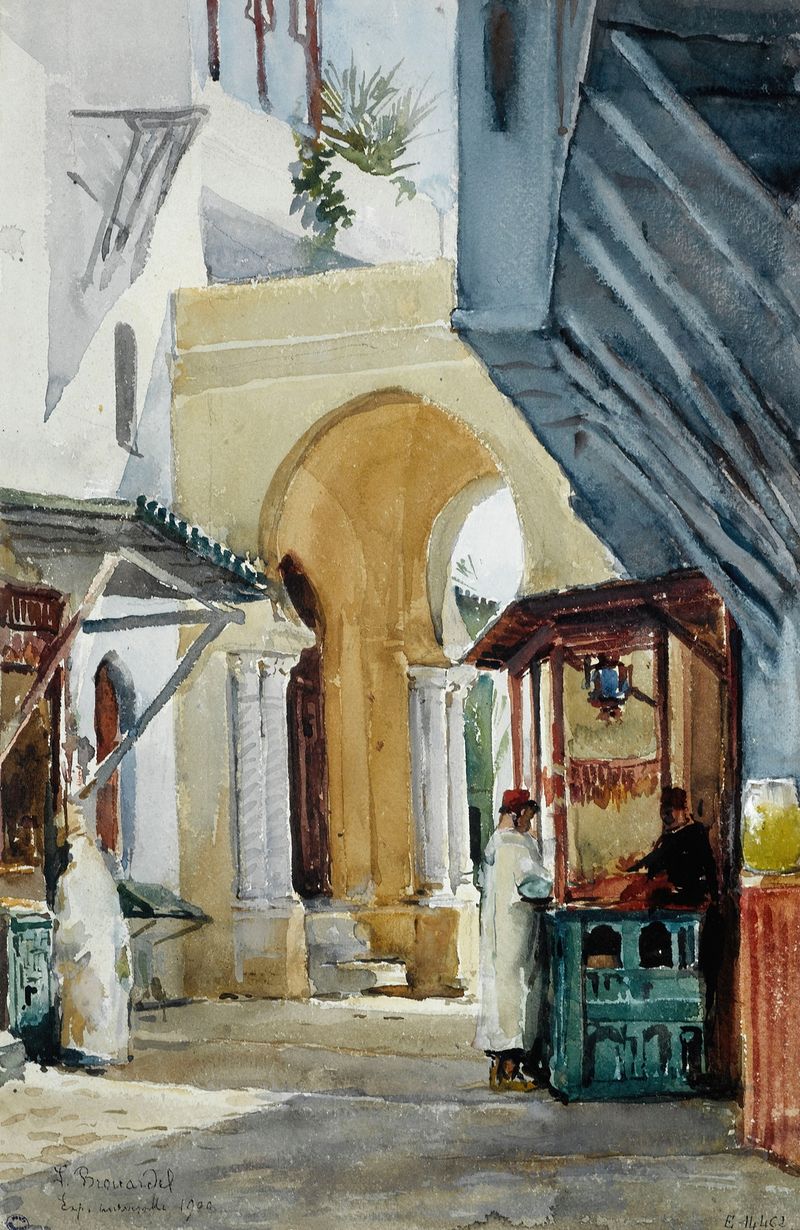
Exposition de 1900, pavillon de l’Algérie
Laure Brouardel
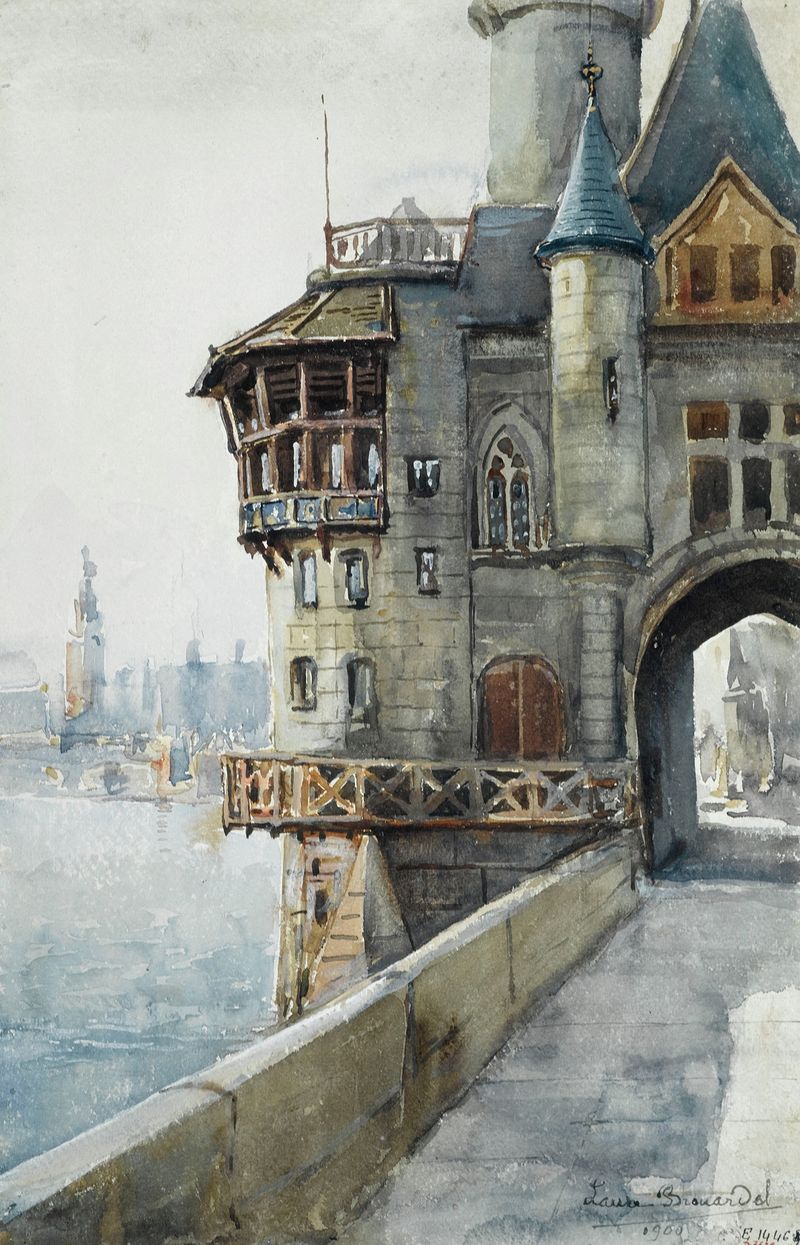
Exposition de 1900, le Vieux Paris
Laure Brouardel
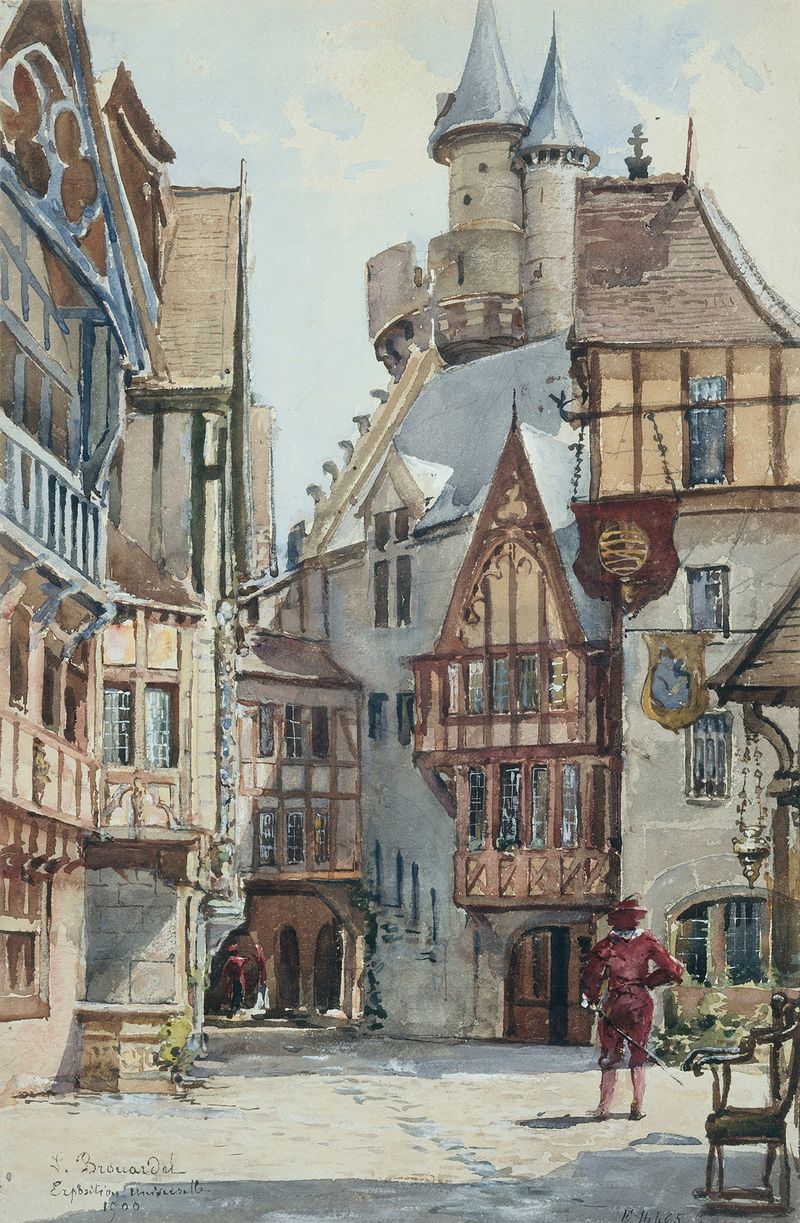
Exposition de 1900, le Vieux Paris
Laure Brouardel
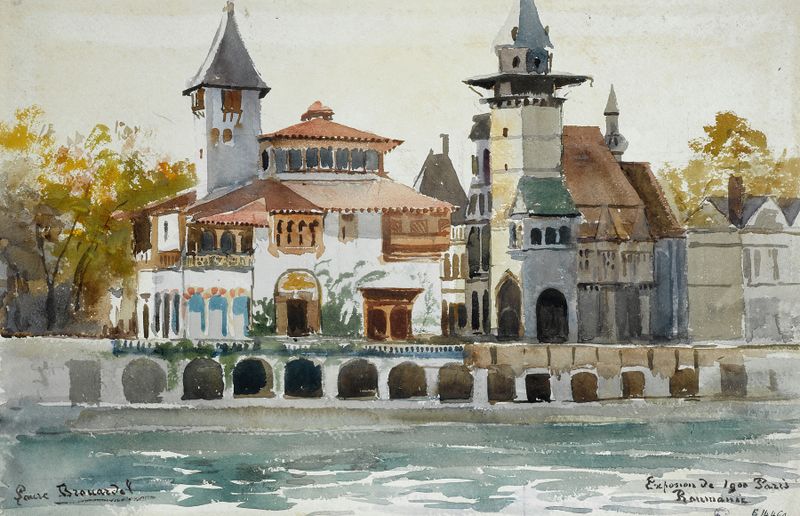
Exposition de 1900, le pavillon de la Roumanie
Laure Brouardel
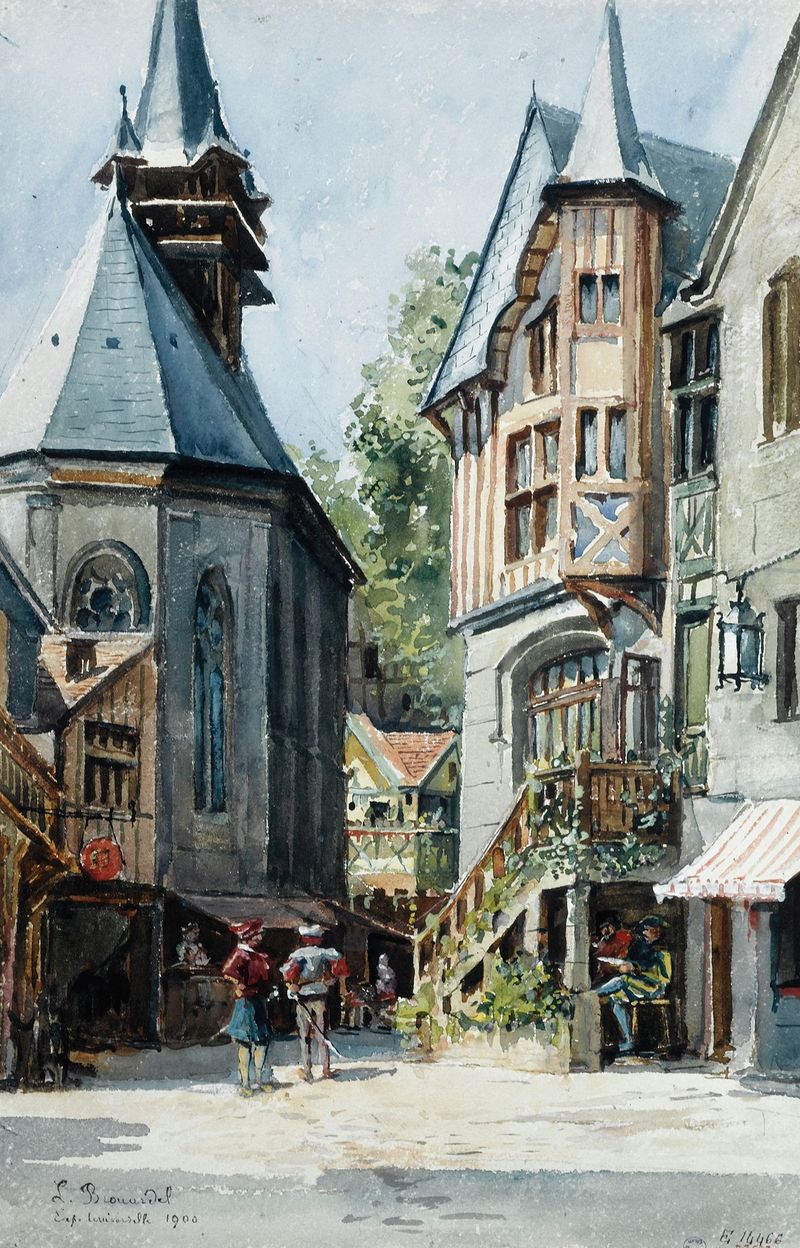
Exposition de 1900, le Vieux Paris
Laure Brouardel
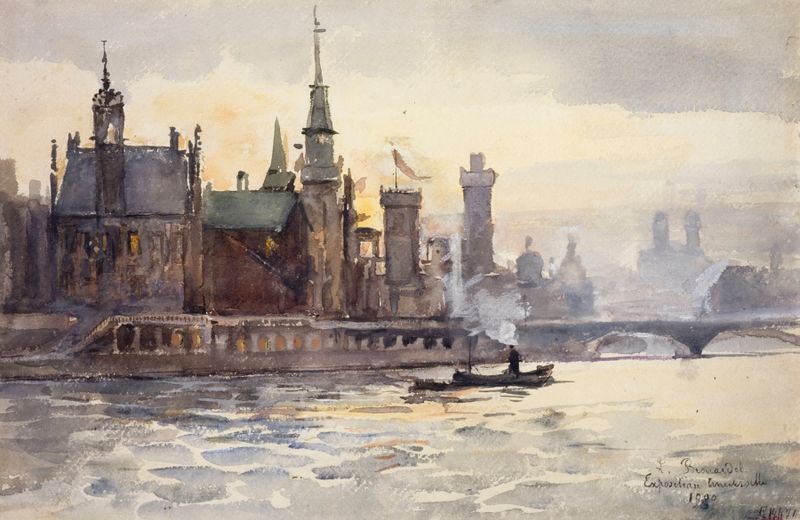
Exposition de 1900, pavillons étrangers
Laure Brouardel
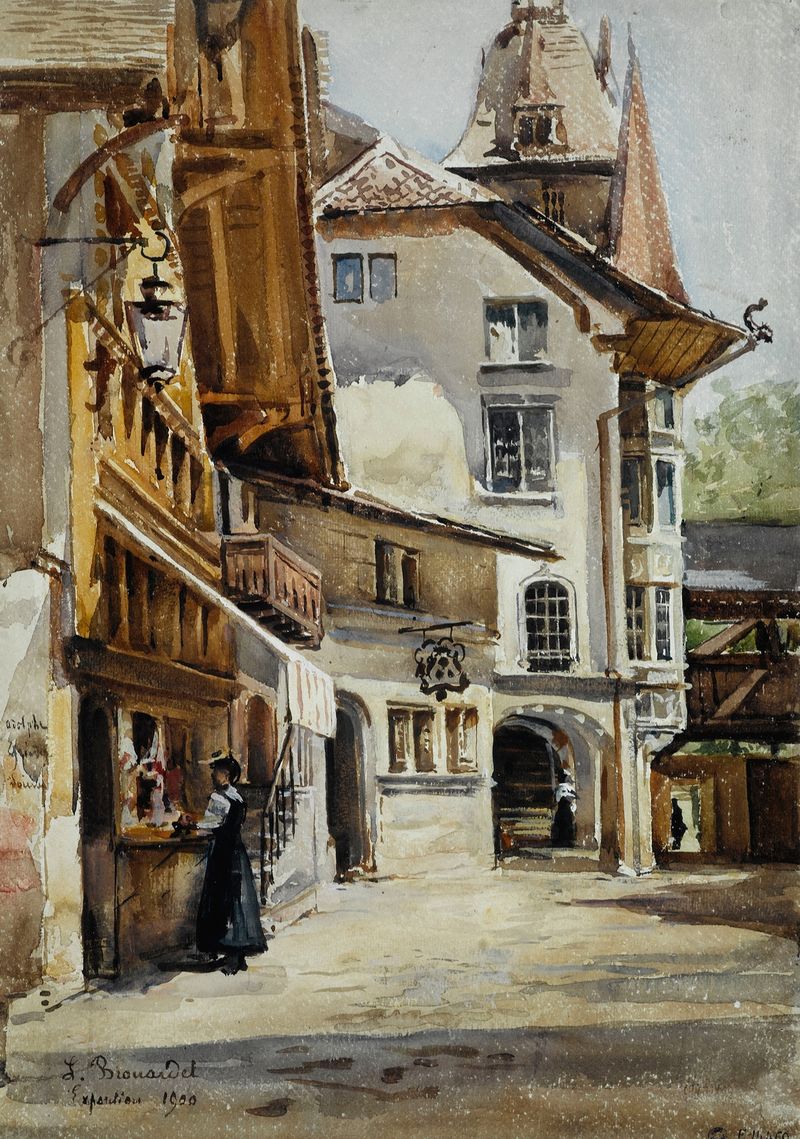
Exposition de 1900, le village Suisse
Laure Brouardel
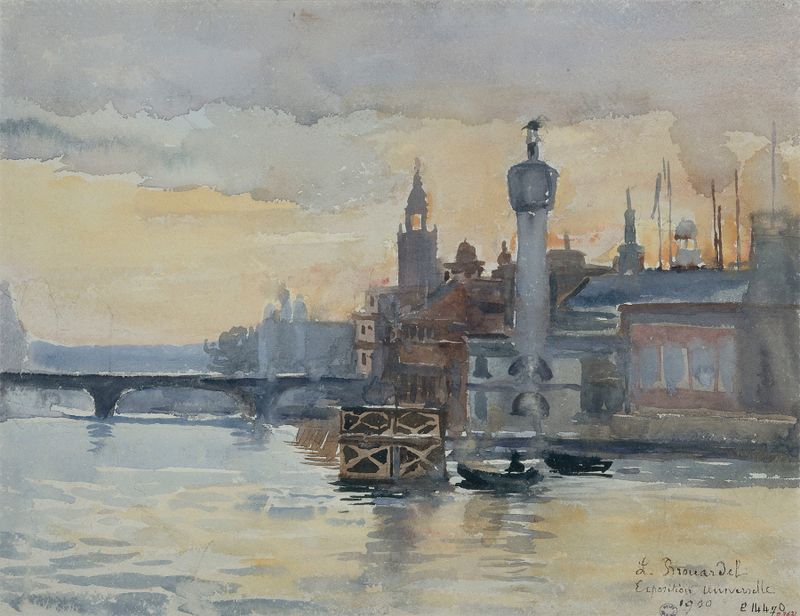
Pavillons en bord de Seine, à l’exposition de 1900
Laure Brouardel
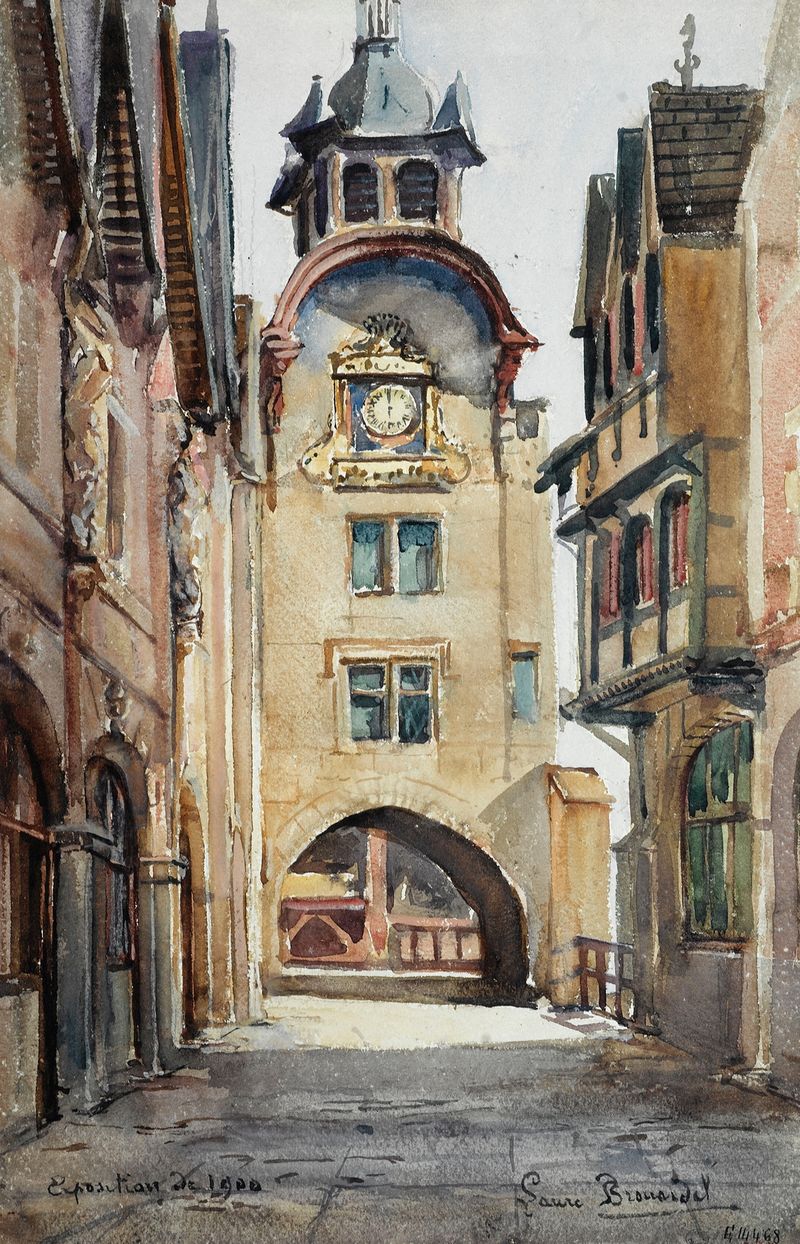
Exposition de 1900, le Vieux Paris
Laure Brouardel





