
Expulsion from Paradise — History & Facts
Every brushstroke is a heartbeat remembered. In the void left by paradise lost, one cannot help but confront the weight of emptiness and the longing for what once was. Look to the center of this poignant work, where the figures of Adam and Eve stand stark against the stark landscape. Their bodies, pale and trembling, evoke a silence that stretches into infinity, while the jagged tree trunk looms behind them, a reminder of the sin that has severed them from their home.
The stark contrast between the dark earth and their fragile forms highlights not only their vulnerability but also the profound desolation that follows their expulsion. Notice how the muted colors accentuate the emotional turmoil; the somber browns and grays juxtapose with the radiant hues of paradise just beyond reach, amplifying the sense of loss. As you delve deeper, the contrasts become more compelling. The intertwined hands of Adam and Eve suggest a fleeting connection, yet their gazes betray a profound solitude.
The whispers of the surrounding landscape, barren and lifeless, echo their despair. Each detail – the fallen leaves, the distant mountains – speaks to the permanence of their fate, encapsulating the tension between innocence and the harsh reality that now defines their existence. Hans Sebald Beham painted this powerful work in 1543, during a time when the Renaissance was peeling back the layers of medieval symbolism. The artist, having settled in Nuremberg, sought to challenge traditional narratives and introduce a more humanistic perspective.
His exploration of biblical themes reflected the broader cultural transition towards individualism and emotional depth in art, making this piece not just a depiction of a story, but an examination of the human condition itself.
More Artworks by Hans Sebald Beham
Browse all →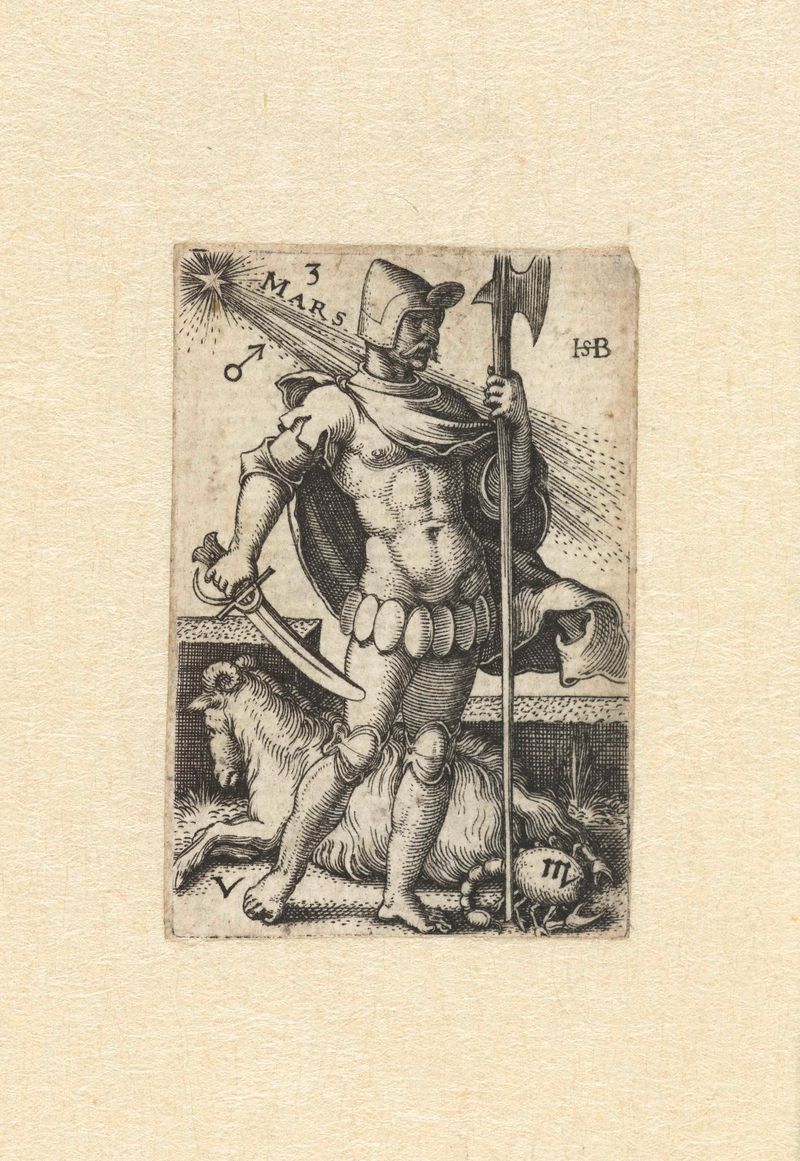
Mars met sterrenbeelden Ram en Schorpioen
Hans Sebald Beham

Achilles in gevecht met Hector
Hans Sebald Beham
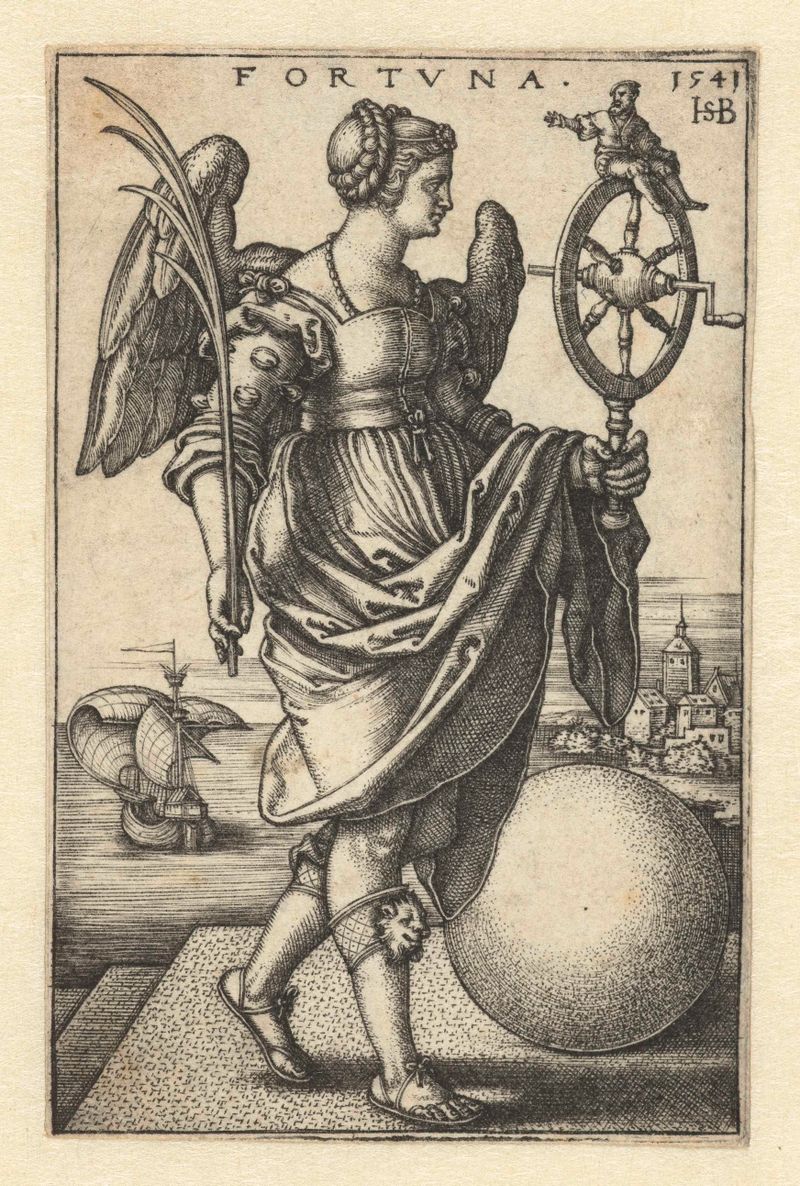
Fortuna
Hans Sebald Beham

Hercules worstelt met Antaeus
Hans Sebald Beham

Twee muzikanten met schalmey en doedelzak
Hans Sebald Beham

Voorzichtigheid (Prudentia)
Hans Sebald Beham

Hercules in gevecht met de Trojanen
Hans Sebald Beham
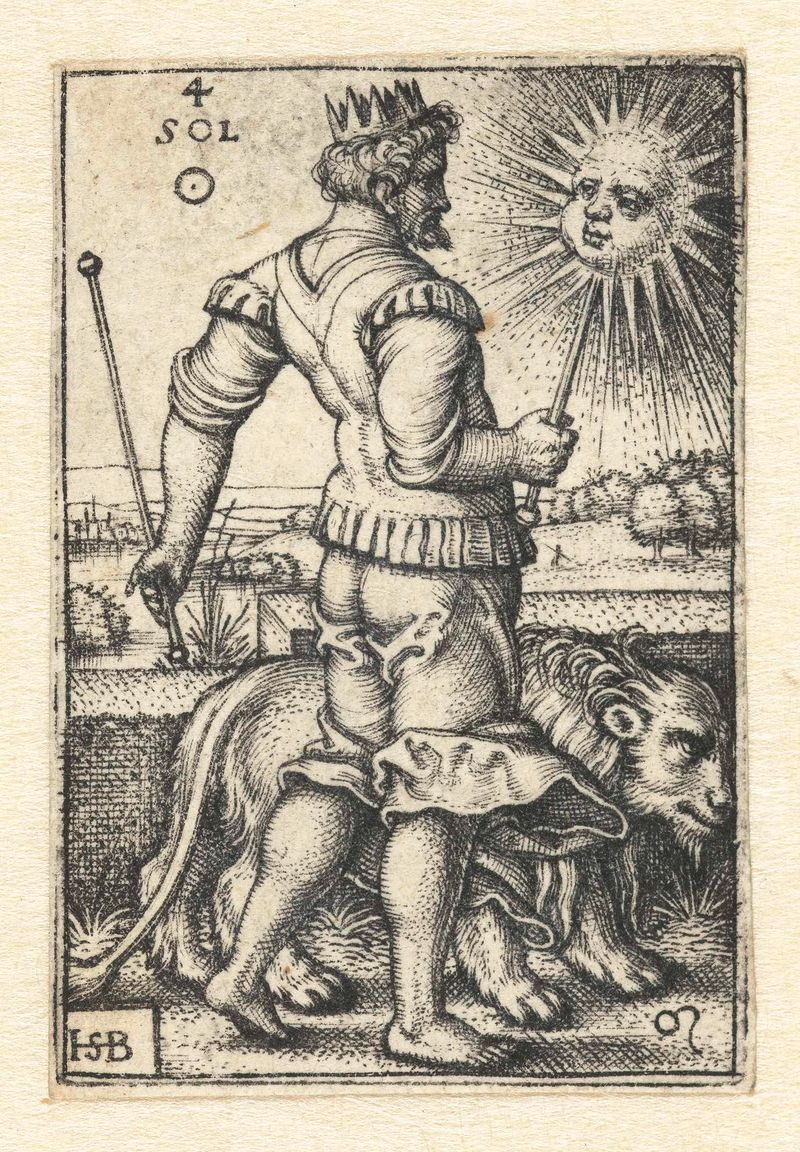
Apollo (Sol) met sterrenbeeld Leeuw
Hans Sebald Beham
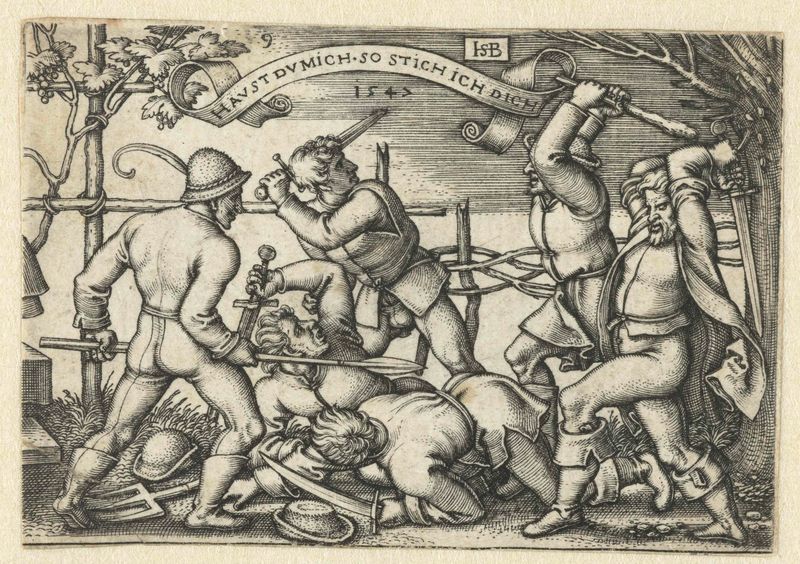
Vechtende boeren met zwaarden
Hans Sebald Beham
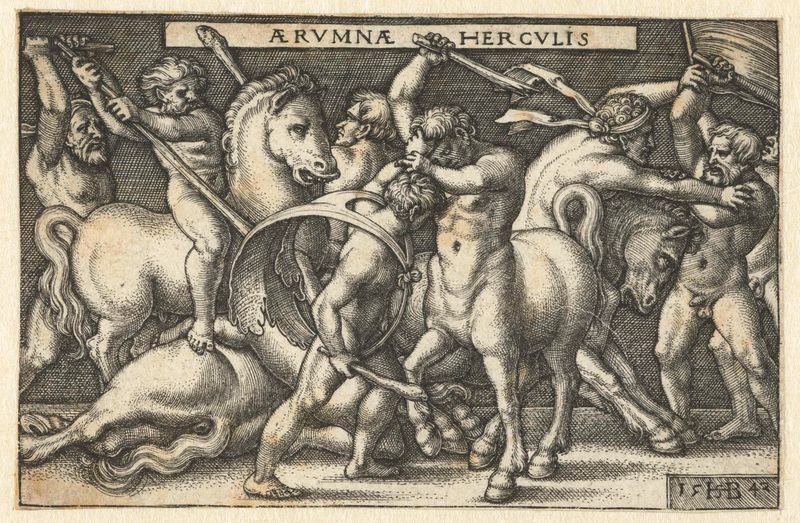
Hercules in gevecht met centaurs
Hans Sebald Beham
More Religious Art
Browse all →
The Return of the Prodigal Son
Rembrandt van Rijn

The Garden of Earthly Delights
El Bosco

Count Orgaz’ funeral
El Greco

The Hundred Guilder Print: the central piece with Christ preaching, the plate arched
Rembrandt van Rijn

The Descent from the Cross
Rogier van der Weyden

The return of the prodigal son
Rembrandt van Rijn