Façades — History & Facts
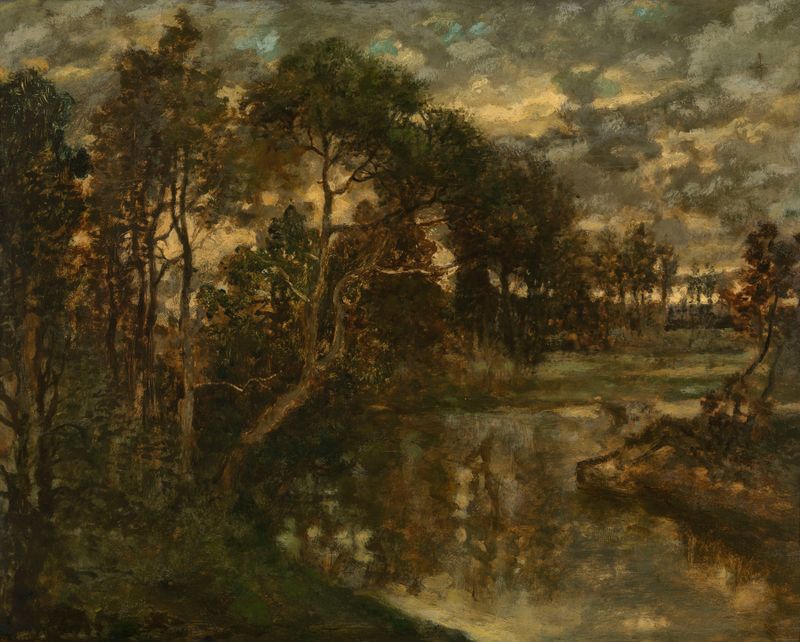
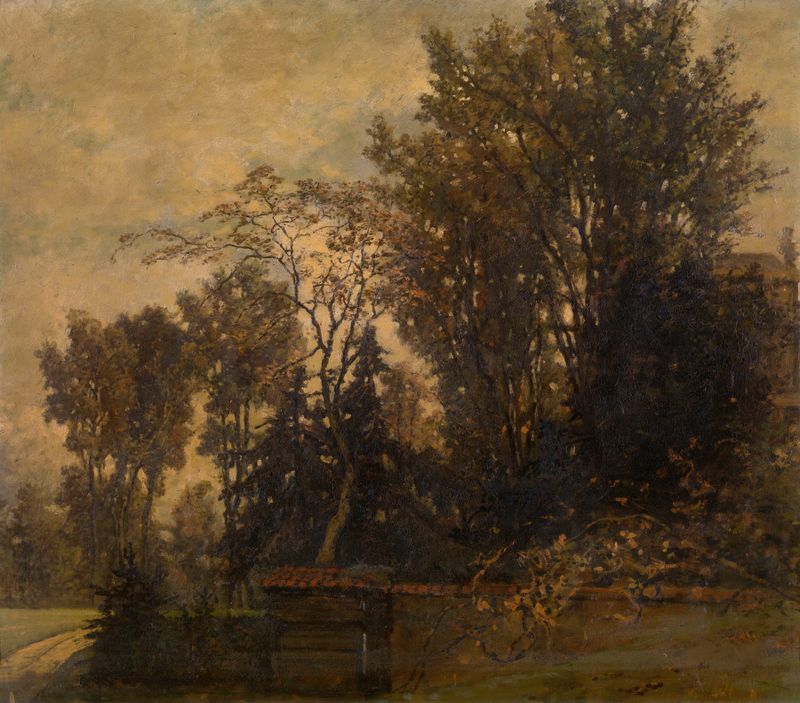
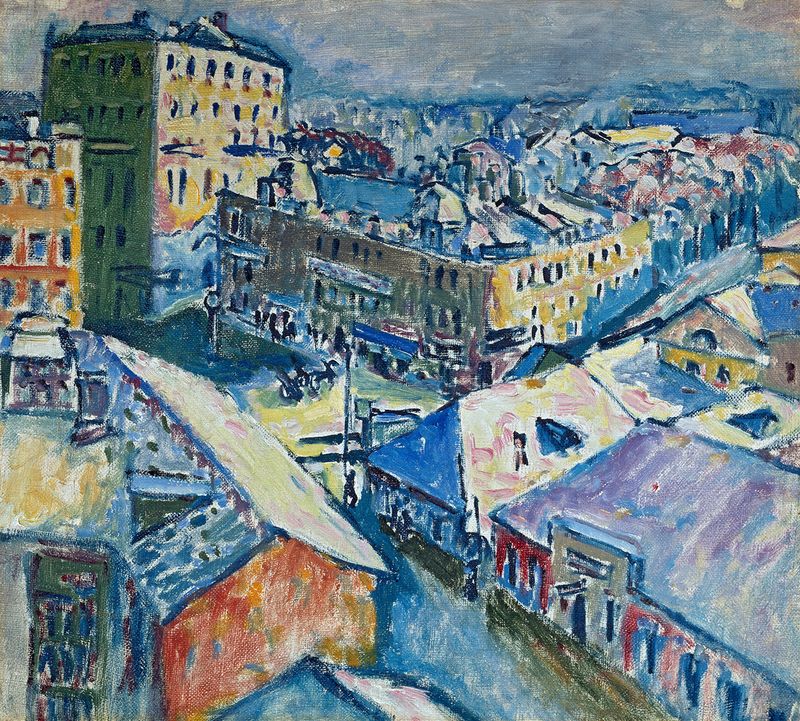
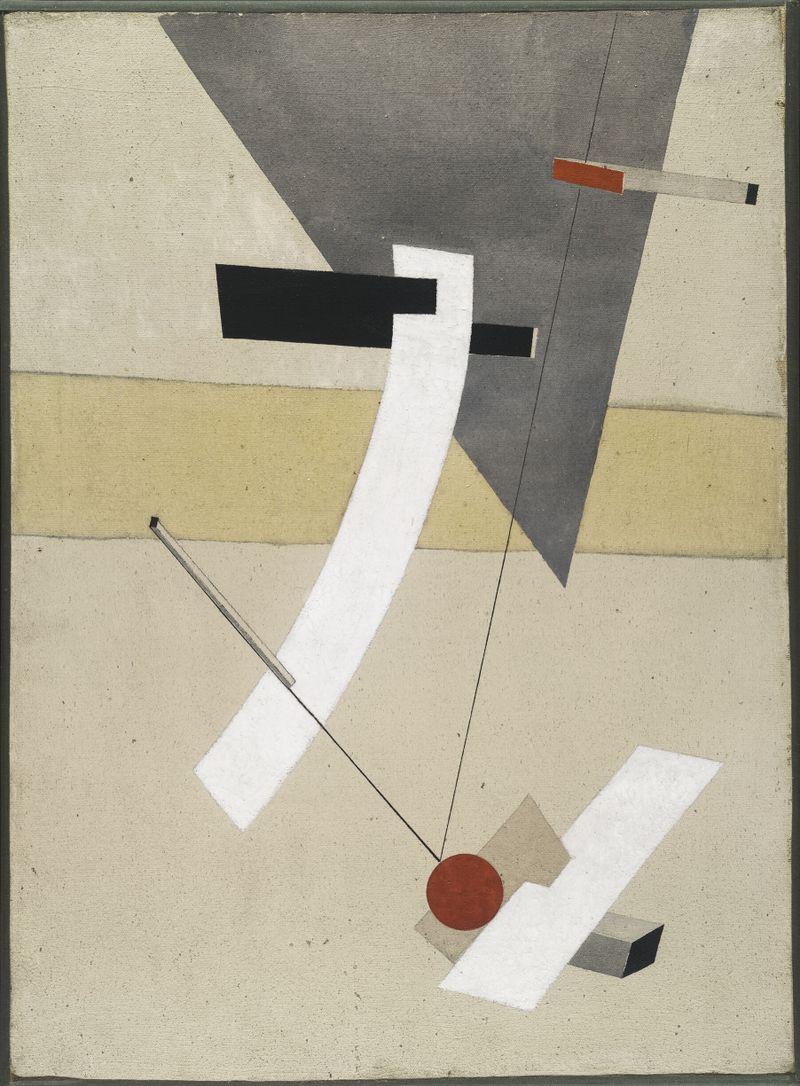
When did color learn to lie? In Façades, vibrant hues dance in an intoxicating play, crafting a world both alluring and deceptive, inviting the viewer to question reality. Look to the center where a cascade of warm oranges and deep blues intertwines, drawing the eye into a labyrinth of textures. Notice how the brushwork creates a pulsating rhythm, suggesting movement beneath the surface. The colors are applied with an almost reckless abandon, reflecting the ecstasy of expression while hinting at underlying contradictions; the harmony of the composition belies the turmoil of emotions simmering just below. Each brushstroke tells a story of tension between illusion and truth.
The juxtaposition of light and dark informs a deeper narrative, revealing the weight of unspoken sorrows hidden within beauty. The fragmented shapes evoke a sense of dissonance, as if the very façades that shimmer with joy also conceal layers of anguish. This duality invites introspection, prompting viewers to reflect on their own experiences with authenticity and performance. Created between 1863 and 1864, this piece emerged during a transformative era in Lies' life, marked by a burgeoning exploration of color theory and emotional depth in art.
Influenced by the Romantic movement, the artist was grappling with personal challenges while simultaneously responding to a world in flux, where industrialization was reshaping both landscapes and human connections. This artwork serves as a pivotal moment in his career, encapsulating his quest for truth amidst the vibrant deception of color.