Farmlands — History & Facts
In the realm of dreams, landscapes transform and pulsate, whispering tales of both nostalgia and aspiration. A simple farmland scene can evoke visions of peace, yet it also beckons reflections on the passage of time and the human condition. Focus on the vibrant greens and earthy browns that cradle the land in this piece. Observe how the artist utilizes a unique play of light, infusing the fields with life, while the muted sky in the background creates a dramatic contrast, suggesting an impending change.
Each stroke seems deliberate, guiding your gaze toward the unfurling crops, their swaying silhouettes echoing the gentle rhythms of nature. The composition strikes a balance between detail and abstraction, allowing viewers to immerse themselves in the essence of the landscape. Delve deeper, and you’ll uncover layers of meaning beneath the artwork's surface. The fields may symbolize both fertility and fragility, hinting at the tension between growth and decay.
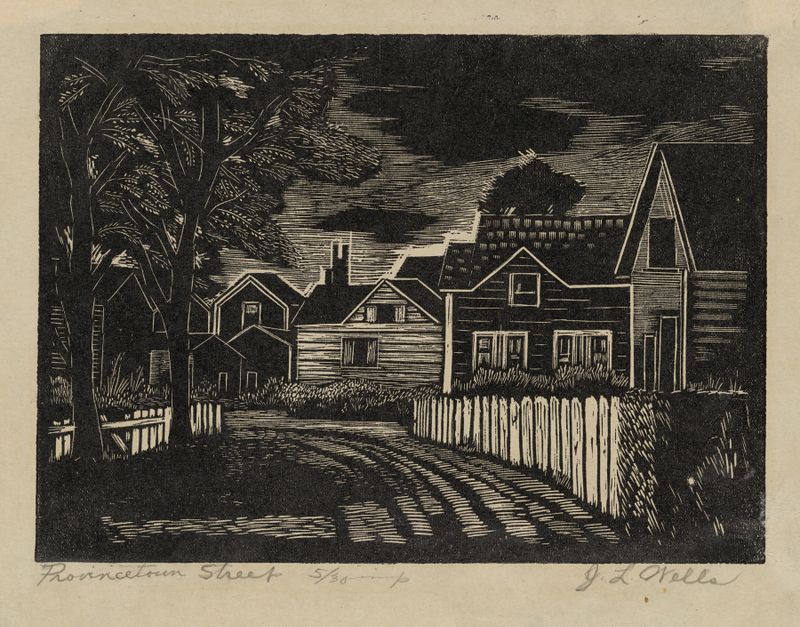
The absence of human figures invites contemplation—are we witnesses to a moment frozen in time, or guardians of a fading memory? Here, the dichotomy of permanence and transience plays out; the land may endure while the dreams of its caretakers ebb and flow. In the years between 1935 and 1943, Wells, an influential African American artist, painted this work during a period marked by social upheaval and the Great Depression. Living in a time when African American artists were beginning to gain recognition, he sought to portray the richness of rural life, offering both a personal and collective narrative through his art. This painting stands as a testament to his vision, rooted in a deep appreciation for the landscapes that shaped his identity.