
Faubourg de Rouen — History & Facts
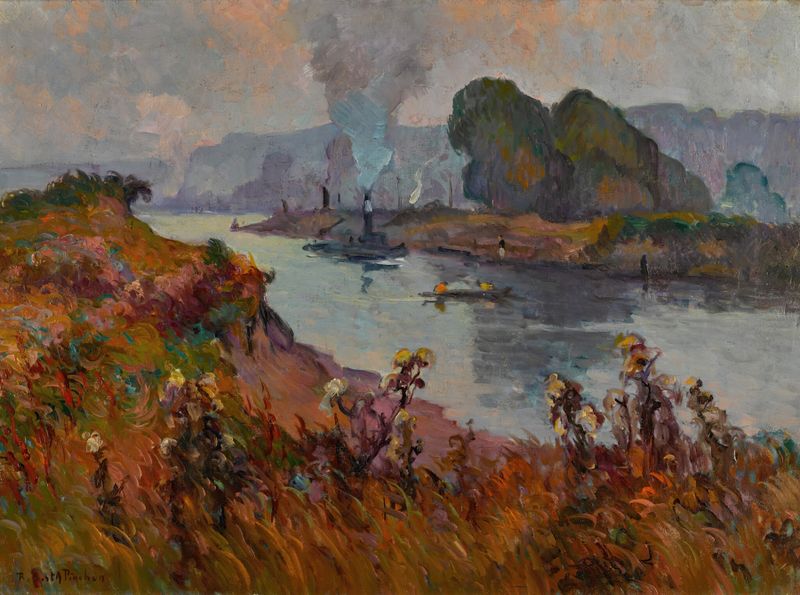
When did color learn to lie? In Faubourg de Rouen, hues collide with shadows, unveiling a world that feels both genuine and elusive, a reflection of an artist's vision layered in complexity. Look to the foreground where a gentle play of orange and yellow brings warmth to the quaint houses lining the street. Notice how the light dances upon the rooftops, creating a shimmering contrast against deep azure skies. The brushwork reveals a tactile world, rich with texture; each stroke breathes life into the scene, while the cool shadows behind the buildings hint at the passage of time, inviting the viewer to linger in this quiet moment. The emotional resonance of this work lies in its contrasts—between light and shadow, stillness and the suggestion of life.
The vibrant colors evoke a sense of nostalgia, while the seemingly serene setting shields an undercurrent of uncertainty. This duality mirrors the tension of a post-war society seeking beauty amid the remnants of conflict—a poignant reminder of what once was. Created in the early 20th century, Faubourg de Rouen reflects Robert Antoine Pinchon’s deep connection to his native Normandy. During this period, France was grappling with the aftermath of the First World War, and Pinchon, influenced by Impressionism, sought to capture the essence of everyday life with a modern lens.
His work embodies a turning point in art, merging traditional techniques with emerging perspectives in a rapidly changing world.
More Artworks by Robert Antoine Pinchon
Browse all →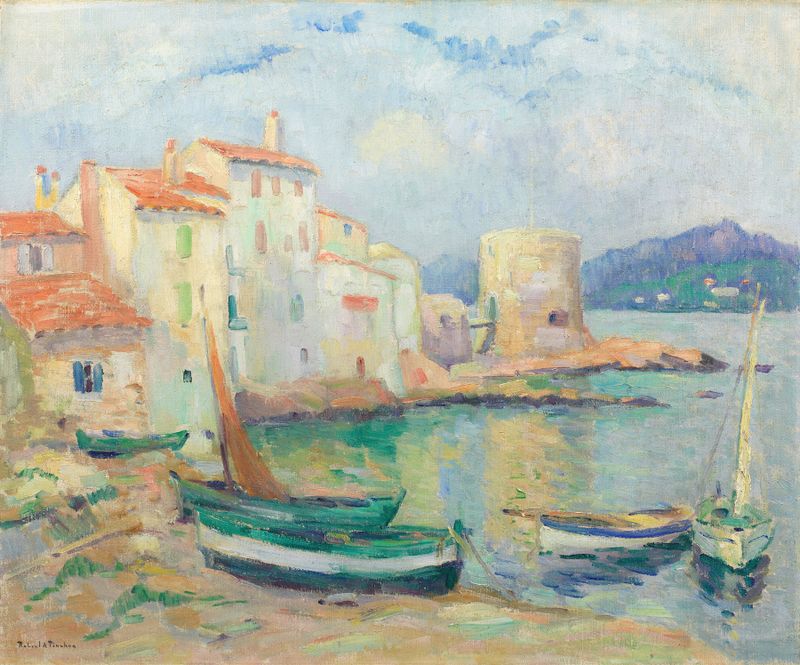
Vieux port de Saint-Tropez
Robert Antoine Pinchon

Le port de Saint-Valéry-en-Caux
Robert Antoine Pinchon

Le port de Honfleur
Robert Antoine Pinchon

Rouen, La Seine, Vue Depuis Le Hauteurs De Caudebec
Robert Antoine Pinchon
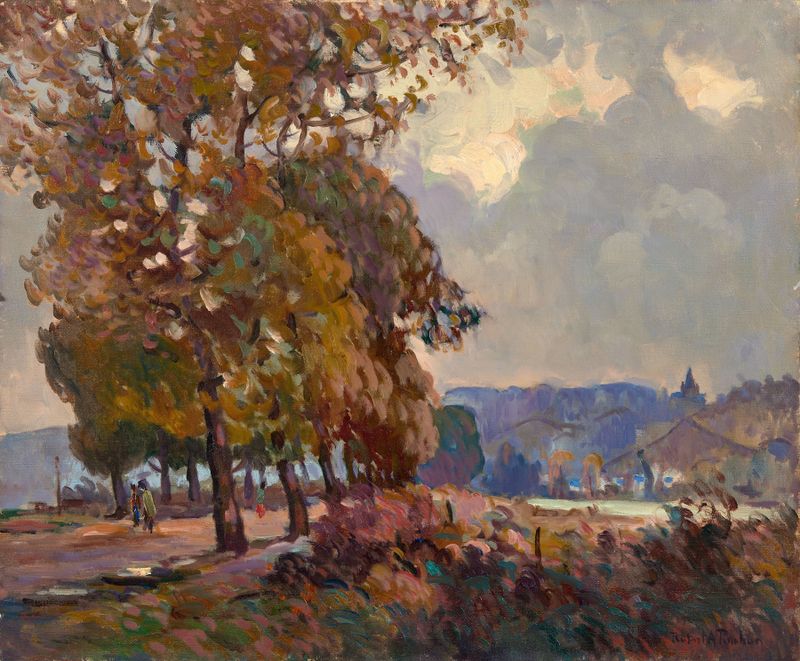
Bords de la Seine vers le Bas Caumont
Robert Antoine Pinchon
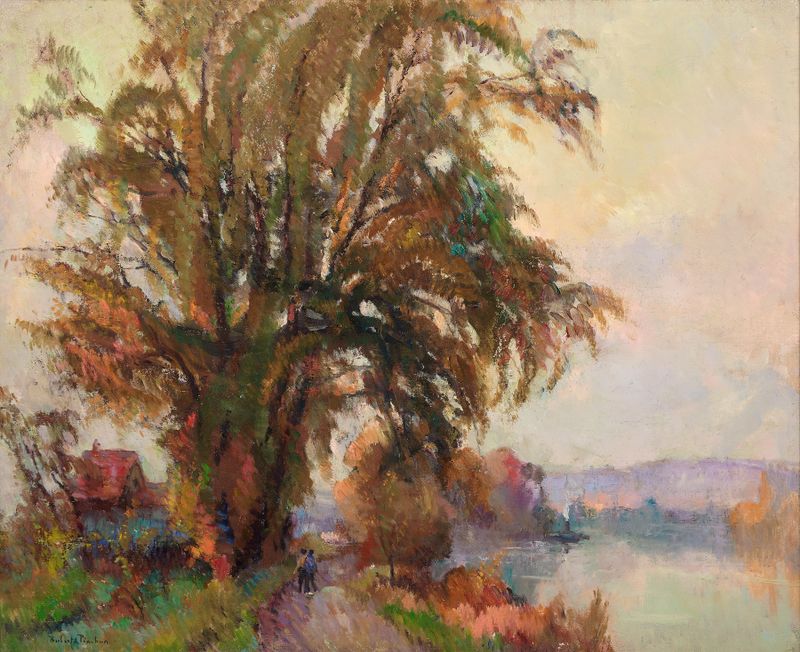
Bords de Seine vers Rouen
Robert Antoine Pinchon

La Seine a L’île Lacroix
Robert Antoine Pinchon
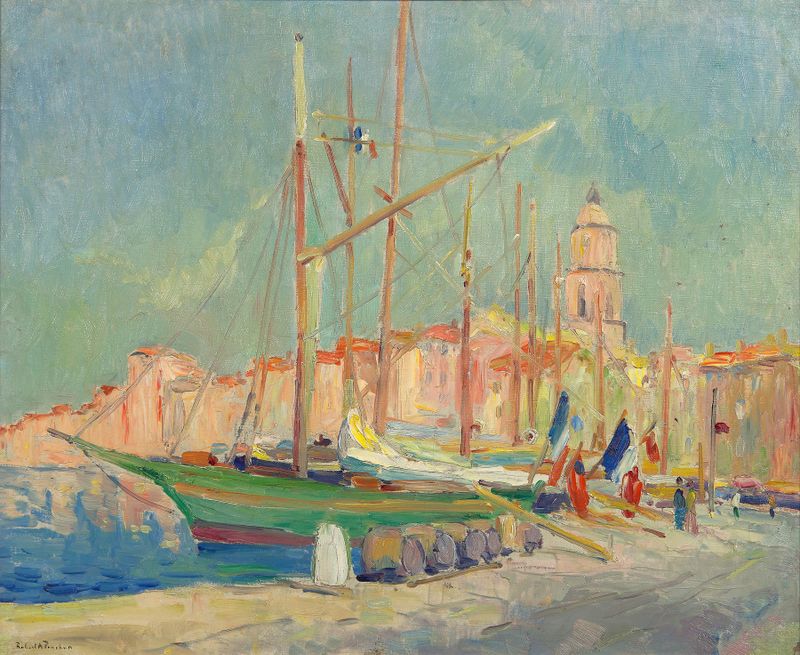
Bateaux pavoisés dans le port de Saint-Tropez
Robert Antoine Pinchon
Bord de Seine
Robert Antoine Pinchon

Le bassin aux nymphéas au jardin des plantes à Rouen
Robert Antoine Pinchon





