
Le port de Saint-Valéry-en-Caux — History & Facts
This sentiment echoes through the tranquil yet poignant essence of a coastal scene, where time seems both suspended and relentless in its passage. The interplay of light and shadow captivates the viewer, hinting at stories woven into the fabric of the landscape. Look to the left, where the sun casts a warm, golden hue upon the gently lapping waves at the harbor’s edge. Notice how the boats are rendered in soft brushstrokes, their forms almost merging with the swirling reflections of light on the water’s surface.
The calming blues and vibrant greens are punctuated by the soft pastel colors of the quaint buildings lining the shore, inviting a sense of nostalgia and longing. Yet, beneath the surface beauty lies a deeper narrative — the contrast between the serene harbor and the looming cliffs in the background speaks to the fragility of human endeavors against nature’s grandeur. The boats, seemingly at rest, evoke a sense of waiting, a reminder of fleeting moments that may lead to departure or loss. The cheerful palette juxtaposed with hints of melancholy encapsulates the bittersweet nature of time itself, where each moment captured may soon slip away. In 1925, the artist painted this work during a period of transition in post-war France.
He was deeply embedded in the Normandy region's artistic community, capturing the idyllic landscapes influenced by Impressionism while infusing his unique interpretation. The world was awakening from the scars of conflict, and as he delved into capturing the fleeting beauty of life, Le port de Saint-Valéry-en-Caux reflected both the hope and melancholy inherent in that era.
More Artworks by Robert Antoine Pinchon
Browse all →
Faubourg de Rouen
Robert Antoine Pinchon
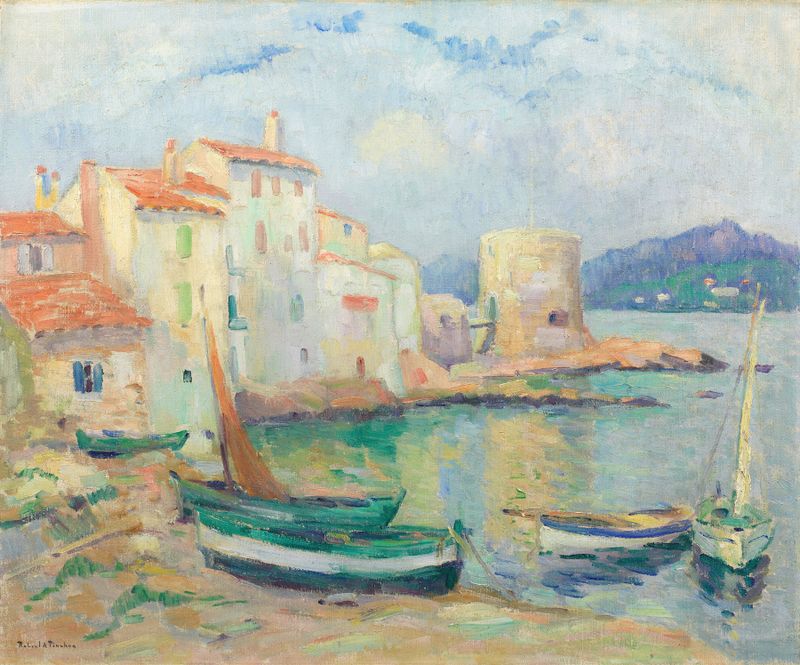
Vieux port de Saint-Tropez
Robert Antoine Pinchon

Le port de Honfleur
Robert Antoine Pinchon

Rouen, La Seine, Vue Depuis Le Hauteurs De Caudebec
Robert Antoine Pinchon
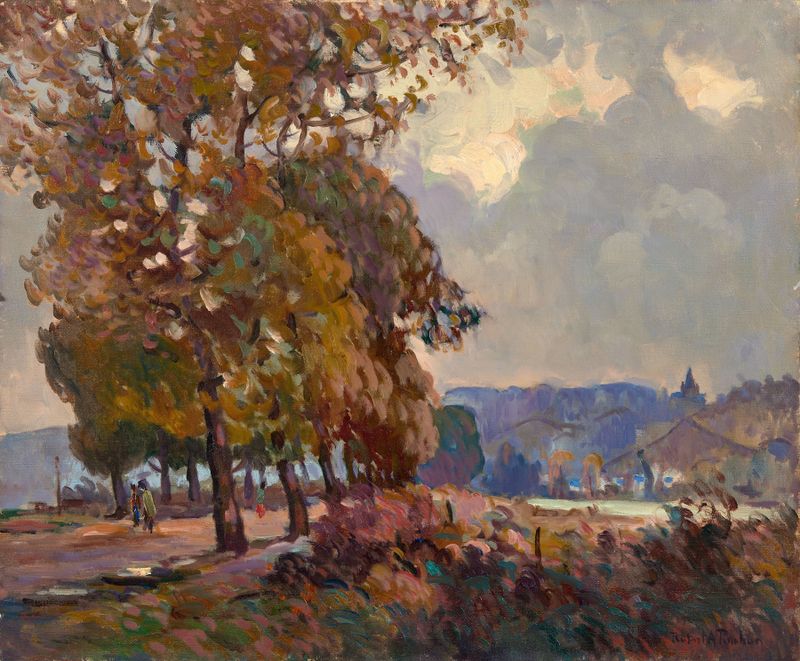
Bords de la Seine vers le Bas Caumont
Robert Antoine Pinchon
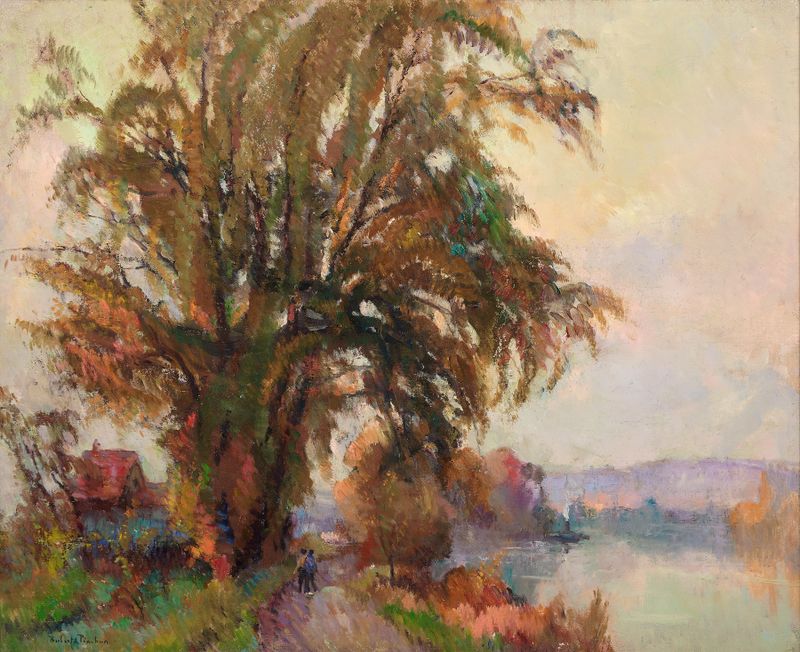
Bords de Seine vers Rouen
Robert Antoine Pinchon

La Seine a L’île Lacroix
Robert Antoine Pinchon
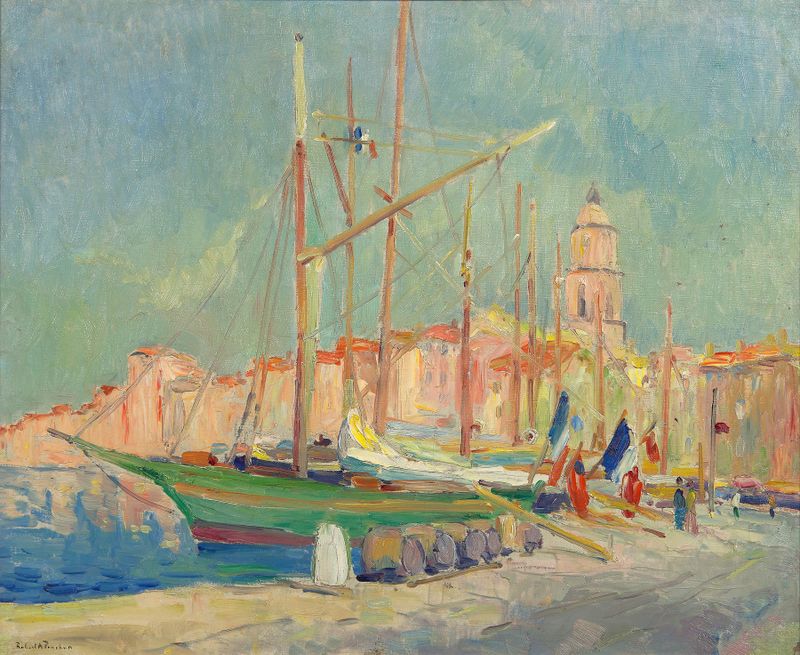
Bateaux pavoisés dans le port de Saint-Tropez
Robert Antoine Pinchon
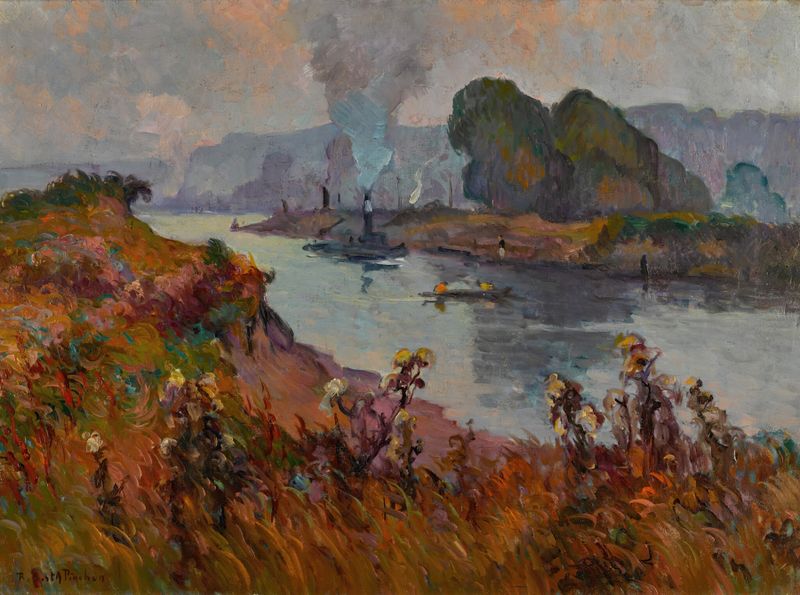
Bord de Seine
Robert Antoine Pinchon

Le bassin aux nymphéas au jardin des plantes à Rouen
Robert Antoine Pinchon





