
Filippus en Jakobus de Meerdere — History & Facts
In an age where the essence of existence fluctuates like the seasons, the yearning for the eternal becomes palpable, woven into the fabric of art. Focus on the figures in Filippus en Jakobus de Meerdere, where two apostles stand poised in contemplative dialogue. Notice how the warmth of ochre and deep reds envelops them, casting a sacred glow against the cooler blues of the background. The meticulous detailing of their robes, seen especially in the intricate folds, pulls your gaze, revealing both their physical presence and their spiritual weight.
Each brushstroke conveys not only form but also character, lending an air of gravitas to their exchange. Within this composition lies a juxtaposition of stillness and intention. The apostle on the left holds a scroll, symbolizing wisdom and revelation, while his companion's gaze seems to pierce through the canvas, as if seeking answers beyond the immediate moment. The quiet tension between them speaks to the struggles of faith and understanding, inviting viewers to ponder the deeper implications of their discourse.
The painting transcends a mere biblical narrative, instead portraying a universal quest for knowledge and connection. Hans Sebald Beham painted this work in 1520, during a period marked by the Reformation's rippling effects across Europe. Working in Nuremberg, he was influenced by the rising tide of humanism and the quest for spiritual clarity. In this context, the duality of faith and reason reflected in this piece echoes the broader cultural shifts of the time, as artists sought to reconcile the divine with the everyday experiences of humanity.
More Artworks by Hans Sebald Beham
Browse all →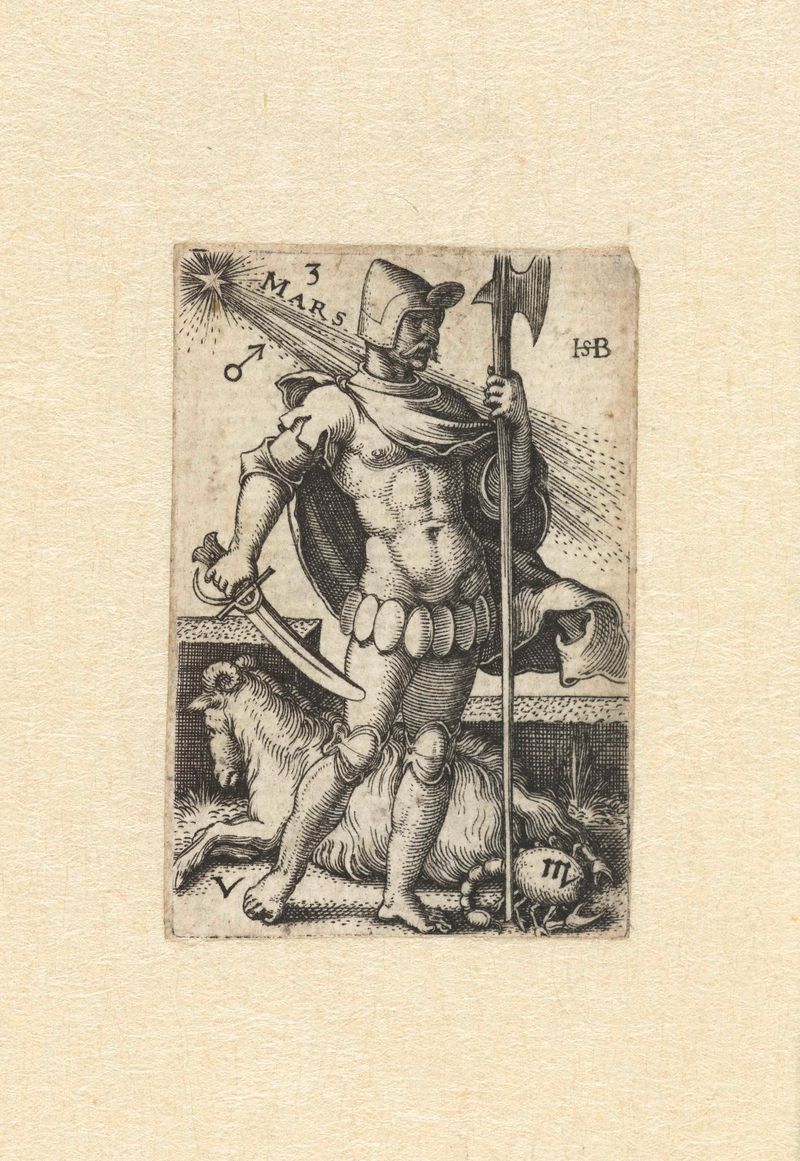
Mars met sterrenbeelden Ram en Schorpioen
Hans Sebald Beham

Achilles in gevecht met Hector
Hans Sebald Beham
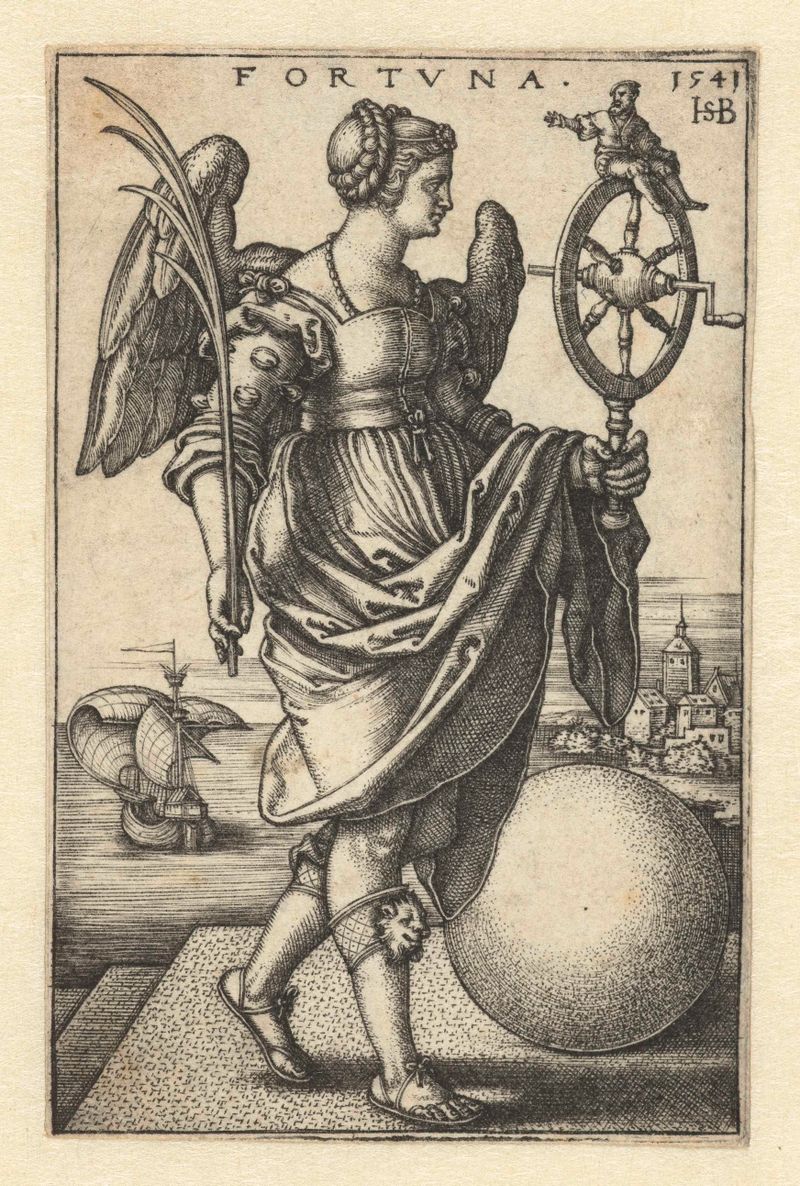
Fortuna
Hans Sebald Beham

Hercules worstelt met Antaeus
Hans Sebald Beham

Twee muzikanten met schalmey en doedelzak
Hans Sebald Beham

Voorzichtigheid (Prudentia)
Hans Sebald Beham

Hercules in gevecht met de Trojanen
Hans Sebald Beham
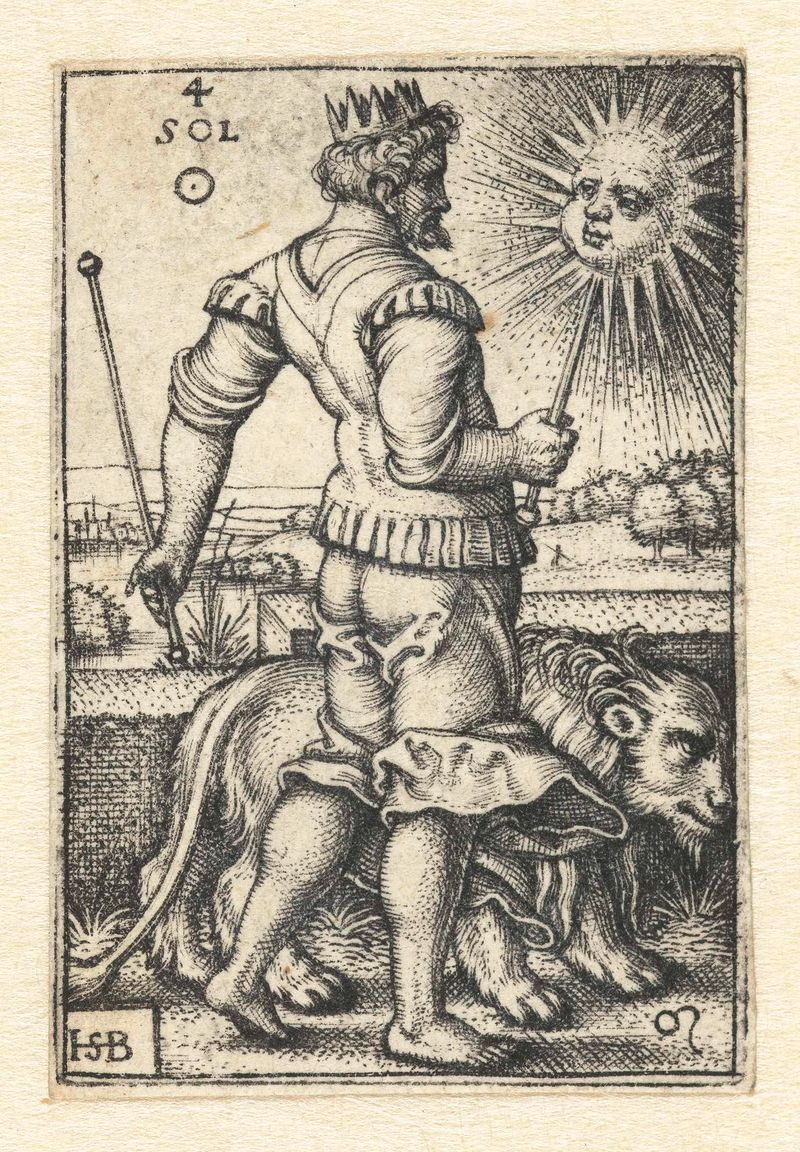
Apollo (Sol) met sterrenbeeld Leeuw
Hans Sebald Beham
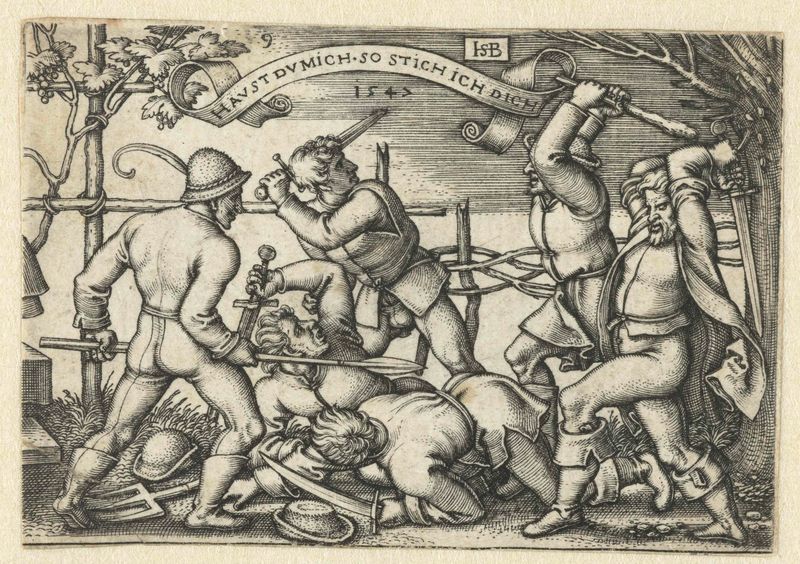
Vechtende boeren met zwaarden
Hans Sebald Beham
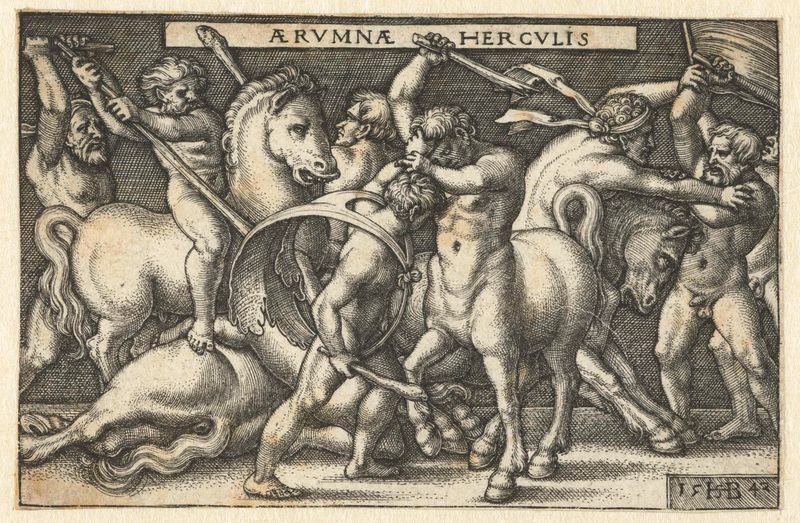
Hercules in gevecht met centaurs
Hans Sebald Beham
More Religious Art
Browse all →
The Return of the Prodigal Son
Rembrandt van Rijn

The Garden of Earthly Delights
El Bosco

Count Orgaz’ funeral
El Greco

The Hundred Guilder Print: the central piece with Christ preaching, the plate arched
Rembrandt van Rijn

The Descent from the Cross
Rogier van der Weyden

The return of the prodigal son
Rembrandt van Rijn