Filosofen redetwistend over de zielsverhuizing — History & Facts
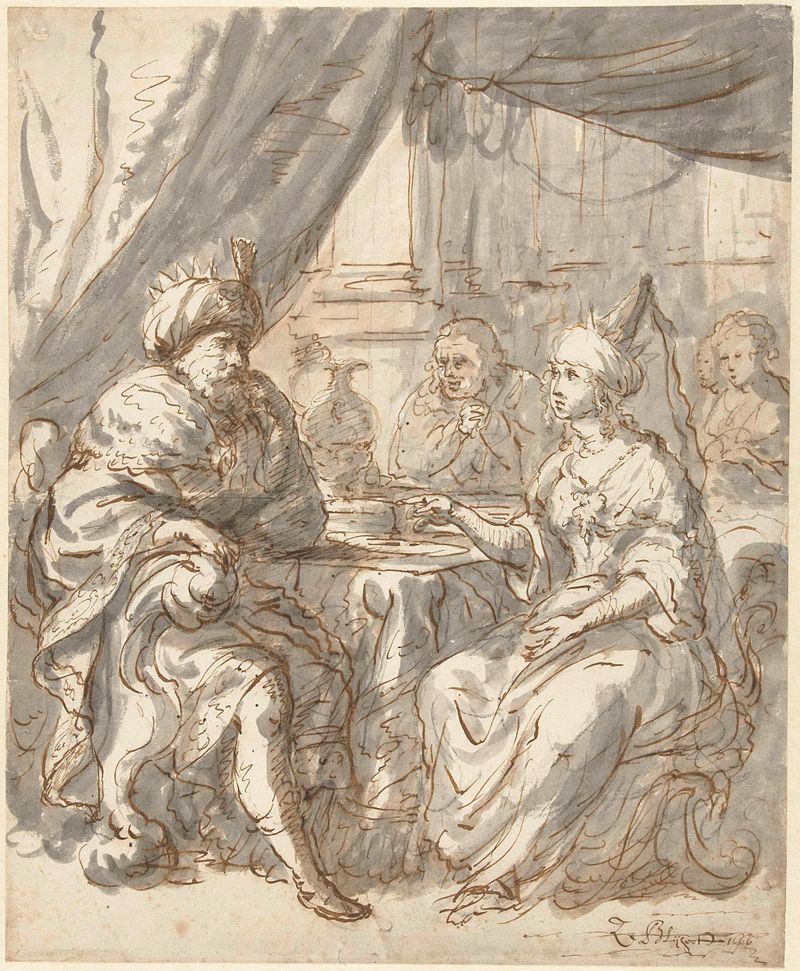
In the stillness of Zacharias Blijhooft's work, a profound emptiness resonates, inviting contemplation and reflection. Look to the center of the canvas where a solitary figure stands, embodying both presence and absence. The muted palette – soft browns and gentle grays – creates an atmospheric weight, drawing the eye to the figure who seems lost in thought, shrouded in an ethereal haze. Notice how the light subtly illuminates the contours of their face, highlighting the tension between enlightenment and introspection.
The composition feels deliberate, almost architectural, with each element carefully arranged to evoke an emotional landscape of solitude. Delve deeper into the intricate details surrounding the figure; the shadowed corners whisper stories of forgotten thoughts and unspoken truths. The subtle juxtaposition of the figure's stillness against the void of the background encapsulates a profound sense of disconnection, mirroring the philosophical themes of transience and the search for meaning. Each brushstroke, meticulously crafted, resonates with the weight of existential contemplation, inviting the viewer to reflect on their own inner silence. In 1669, Blijhooft painted this work during a time of burgeoning philosophical inquiry in the Netherlands, where debates about the nature of the soul and existence were prevalent.
Emerging from the Baroque tradition, the artist found inspiration in the exploration of consciousness and the human condition. This piece encapsulates not only a moment in his artistic journey but also serves as a reflection of the collective quest for understanding in a rapidly changing world.